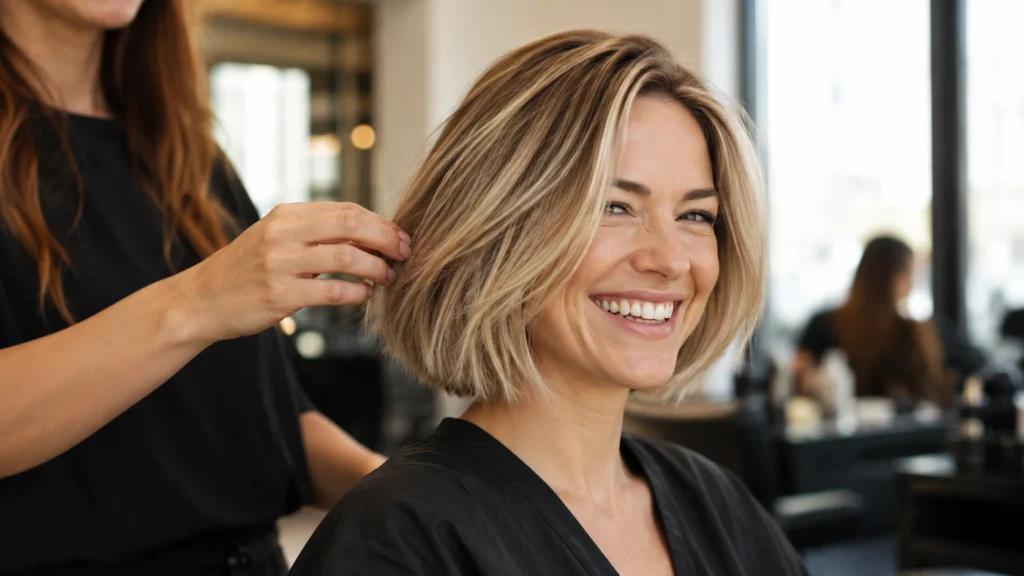
Low maintenance haircuts for fine hair can make a surprising difference when your strands tend to fall flat by two in the afternoon, no matter how good they looked at seven in the morning. I’ve had clients walk into my chair convinced their hair “just doesn’t do volume,” when really their cut was working against them the whole time. My mom went through the exact same thing after fifty, and watching her rediscover her hair’s bounce with the right shape changed how I approach every fine-haired client since. So let’s talk about the fifteen cuts that actually give fine hair its fullness back, with easy styling and no blowout marathon required.
My Styling Notes
I still think about a client I had a few years back who came in clutching a photo of a shaggy layered cut she’d saved from Pinterest. Her hair was fine, thin, and had been through a rough postpartum shed, and she wanted volume so badly she was ready to try anything. I gently talked her out of it. Heavy layers on fine hair can actually make the ends look wispy and see through instead of full. We went with a blunt, chin length bob instead, no fancy layering, just clean weight at the bottom. She sat in my chair afterward and got teary eyed because for the first time in months her hair looked thick again. That day taught me something I repeat to every fine haired client since. Trendy doesn’t always mean flattering, and sometimes the boring choice is the one that actually works.
15 Effortless Ways to Add Instant Volume to Fine Hair
1. Why Fine Hair Needs a Different Playbook

Fine hair isn’t the same thing as thin hair, though most people use the words interchangeably and honestly, so do I sometimes when I’m running behind on a Tuesday. Fine refers to the actual diameter of each strand, while thin is about density, how many strands you’ve got total. Proper Hair care routines for fine strands focus primarily on maintaining this delicate diameter without overloading the scalp with heavy residue.You can have fine hair that’s actually pretty dense, or thin hair with thicker individual strands. Either way, the problem is usually the same. Weight is the enemy. The heavier a cut sits, the flatter it falls, which is why so many “volumizing” cuts you see online quietly make things worse instead of better.
One thing I always tell my clients is that fine hair needs air more than it needs product. A cut that lets hair breathe at the root will outperform three bottles of mousse every single time.
2. The Blunt Bob
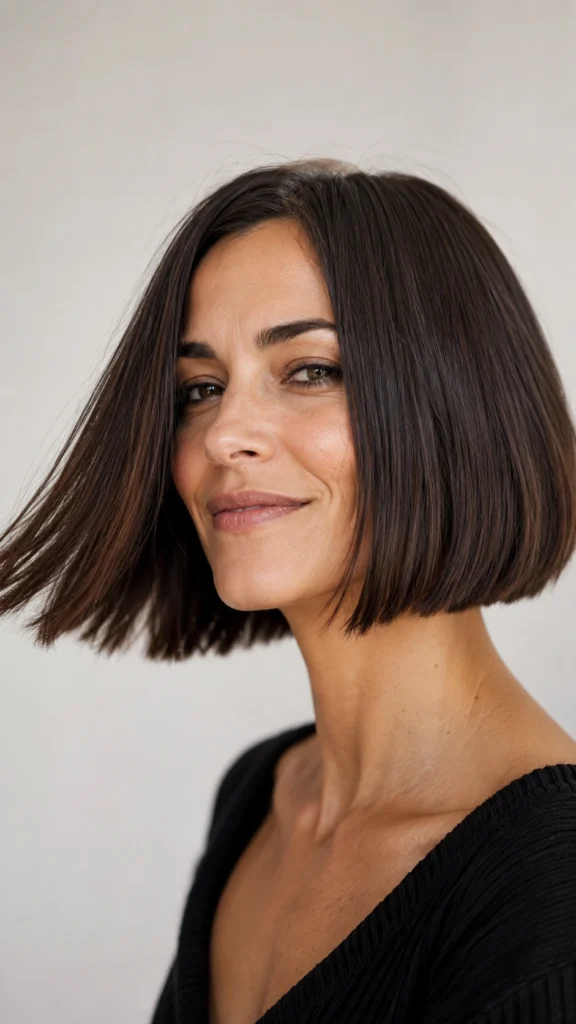
I know it sounds backwards, but a blunt, one length cut is one of the single best things you can do for fine hair. Layers thin things out visually, and fine hair usually can’t afford to lose any perceived thickness. A blunt bob keeps all that weight concentrated at one line, which tricks the eye into seeing density that isn’t necessarily there.
- Best cut around chin to jaw length for maximum illusion
- Works on straight, wavy, and gently curly textures
- Styles in under ten minutes with just a round brush and a blast of dryer heat
The trade off, and I’ll be honest about this one, is that a blunt bob shows regrowth and split ends faster than a layered style. You’re looking at a trim every six to eight weeks to keep that clean line looking intentional rather than scraggly.
3.The French Bob

This is the cut I recommend to clients who want something a little more relaxed than a blunt bob but still crave that fullness. The French bob sits at chin length with soft, undone movement, and it genuinely thrives on a little chaos. Second day hair, a bit of sea salt spray, slightly messy roots, all of it works in this cut’s favor instead of against it.
My favorite part of this style is how forgiving it is if you’re not a morning person. Air dry it, scrunch in a texturizing cream, and walk out the door. It photographs like you spent thirty minutes on it even when you spent three.
4. The Textured Pixie With Micro Bangs
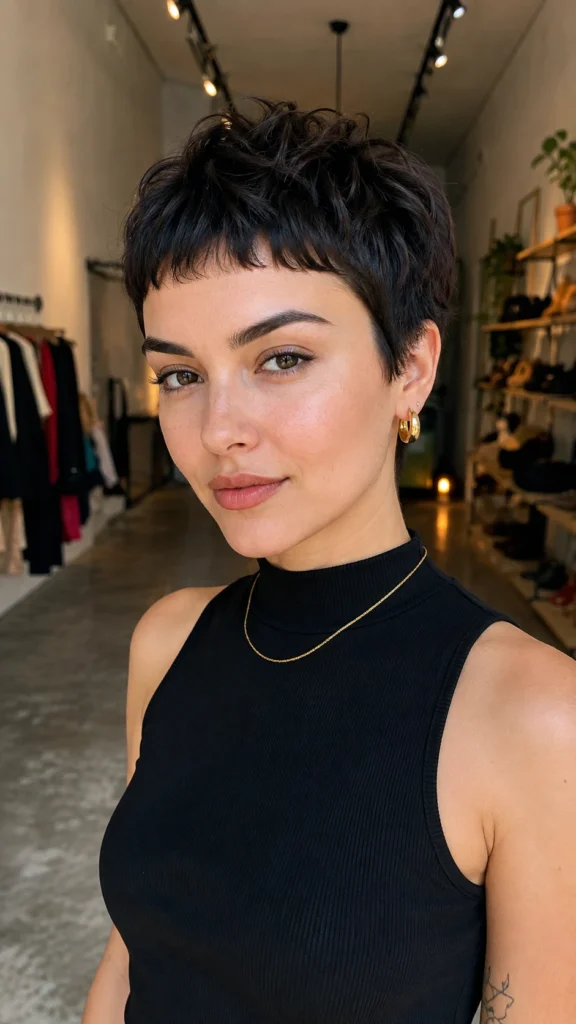
If you’re someone who genuinely wants to spend the least amount of time possible on your hair, this is your cut. Short pixies remove length that would otherwise drag fine hair down, and pairing it with tiny, barely there bangs draws the eye upward toward your cheekbones instead of outward toward thinning areas.
I’ll admit this one isn’t for everyone emotionally. Going this short is a real commitment, and there’s a mourning period some women go through the first week, even when they love the result. What nobody tells you upfront is the maintenance schedule. You’re in the chair every four to six weeks without exception, because pixies grow out unevenly and start looking shaggy in all the wrong places fast. If you can commit to that rhythm though, this cut gives you the most volume for the least daily effort of anything on this list.
5. The Long Bob With Face Framing Layers
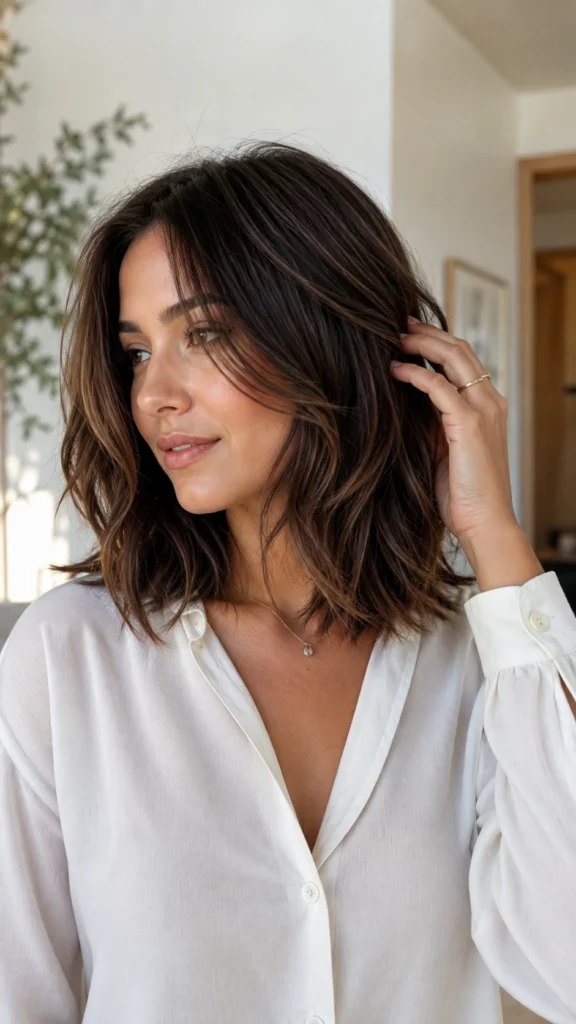
The lob is the bridge cut for anyone not quite ready to say goodbye to length but still craving that fuller look. If you want a style that balances length and density, exploring dedicated lob haircuts for thin hair is a great way to find the right length for your texture. The trick here is restraint. You want soft layers concentrated around the face, not scattered through the whole head, because too much layering is exactly what flattens fine hair out.
I’ve styled this cut on clients going through everything from a career change to a divorce, and there’s something about landing on shoulder length that feels like a fresh start without going to extremes. It’s versatile enough for the office, brunch, or a night out, and it grows out gracefully too, which is more than I can say for a lot of trendier cuts.
6. The Sixties Inspired Crop
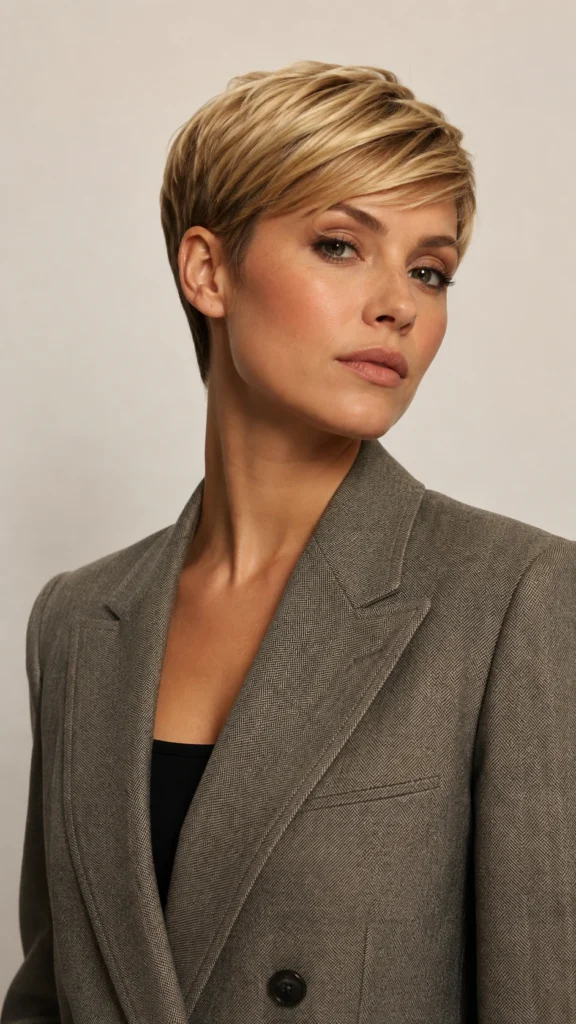
Picture something polished, a little Twiggy, a little mod. This cut keeps the sides tapered close while leaving more length on top, which concentrates all your hair’s natural body right where you want it most, at the crown.
- Pairs beautifully with wispy, barely there bangs
- Reads as put together even without much styling
- Great option if you work somewhere buttoned up and still want an edge
What surprises people is how quiet this cut is to maintain day to day. You’re not fighting length at the nape or ends that flip out unpredictably. It just sits there looking intentional.
7. The A Line Bob
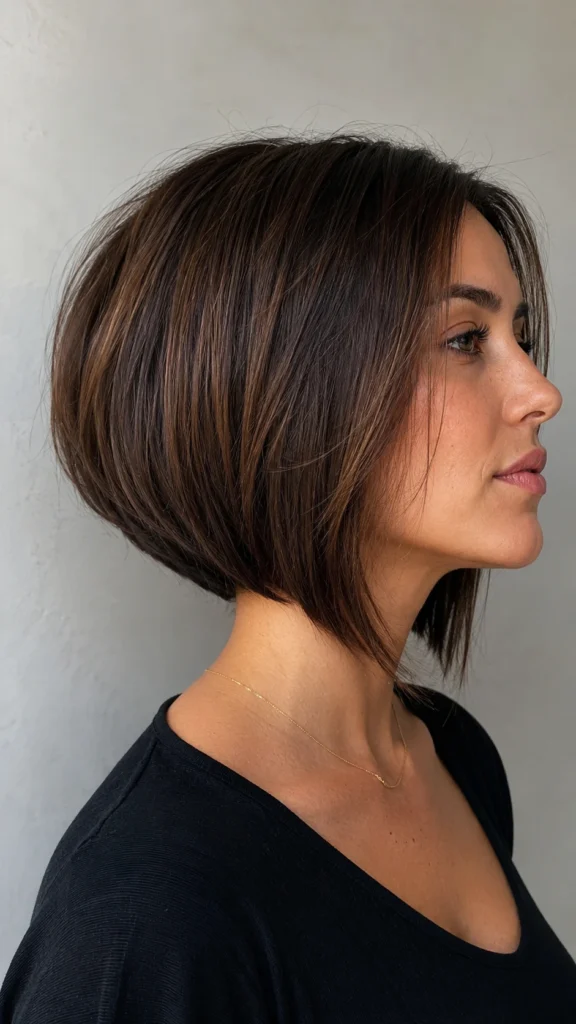
This one’s for anyone who wants volume concentrated specifically at the back of the head, which honestly tends to be where fine hair goes flattest first thanks to gravity and however you slept the night before. The A line shape is shorter in the back and gradually longer toward the front, creating a stacked, almost sculptural effect when you look at it from the side.
I like recommending this to clients with round or square face shapes especially, since the angle elongates things beautifully. A texturizing spray at the crown before you dry it upside down makes a real difference here.
8. The Curtain Bangs Add On

Here’s a secret most articles skip entirely. You don’t necessarily need a whole new haircut to fake more volume. Sometimes all it takes is adding curtain bangs to whatever cut you’ve already got. They part naturally down the middle, frame your face on both sides, and create movement right where your eye lands first.
I always tell clients this is the lowest commitment way to test whether more volume around the face actually suits them before going for anything drastic. Grow them out and you’re basically back to your original cut within a few months, no harm done. Get them cut just past your eyebrows for the most flattering length, and expect a quick trim every three to four weeks to keep them from growing into your eyes and losing their shape.
Which of these cuts do you think your hair is begging for right now?
9. Budget Breakdown

Let’s talk money, because nobody wants to hear about a gorgeous cut only to find out it needs a stylist who charges more than their car payment. A blunt bob or a lob is fairly forgiving on a chain salon budget, usually landing somewhere between forty and seventy dollars depending on where you live. Pixies and precision cuts like the sixties crop, though, really benefit from a stylist who specializes in shorter shapes, since one wrong angle and the whole thing looks off.
One thing I always tell clients on a budget is this. Spend your money on the cut, not necessarily the color. A skilled stylist doing a simple blunt cut will give you more visible volume than an expensive balayage on a mediocre cut ever will.
- Chain salons typically run forty to seventy dollars for a basic cut
- Independent stylists specializing in short hair often start around ninety and climb from there
- Adding curtain bangs to an existing cut usually costs little to nothing at your next trim
10. The Product Tier List

You genuinely do not need a bathroom shelf full of products to make fine hair look fuller. Knowing how to care for fine hair comes down to choosing lightweight formulas that protect fragile strands from breakage while adding weightless structure at the roots. What you need are the right two or three, used correctly.At the drugstore level, a root lifting spray applied to damp roots before blow drying does more heavy lifting than people expect, and you’re looking at under fifteen dollars a bottle.
If you’ve got a little more to spend, mid range volumizing mousses with a lightweight, non sticky formula tend to hold better through humidity without weighing hair down. And if you want to go all in, a good dry texture spray in the splurge category is honestly worth it, since it adds grip and body without the crunchy, stiff feeling cheaper sprays sometimes leave behind.
11. Five Minute Wash and Go Routine
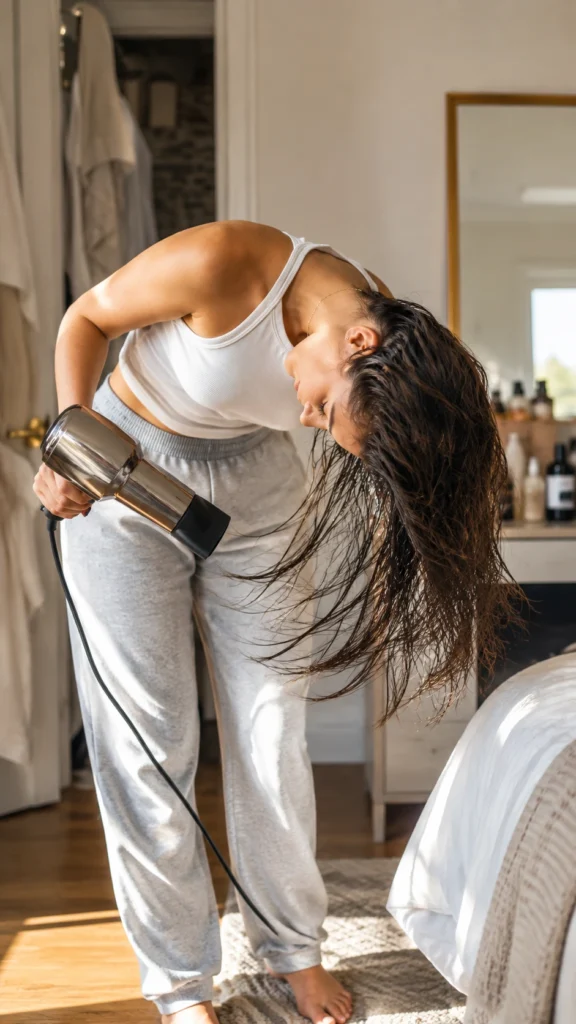
This is for the reader who genuinely does not have time in the morning, and honestly, most of us fall into that category more days than not. Apply a root lifting product to damp hair right at the scalp, focusing only there rather than dragging it through the ends where it can feel greasy fast.
Flip your head upside down while blow drying for the first minute or two, just enough to break the direction gravity wants your roots to fall in. Finish right side up with a round brush at the crown only, then let the rest air dry or fall naturally. It sounds too simple to work, but it’s the exact routine I give clients who swear they have zero time and even less patience for styling.
What’s the one thing about styling your fine hair that feels like the biggest daily struggle?
12. Second Day and Third Day Hair Hacks
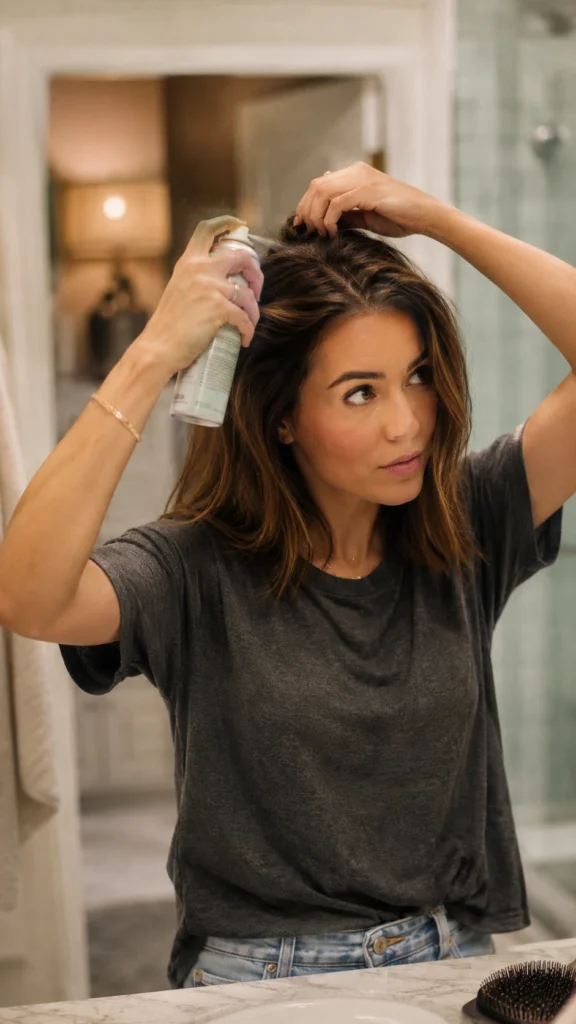
Fine hair has a reputation for going greasy fast, but the truth is a little oil at the roots can actually be your friend on day two if you know how to use it. Dry shampoo is obvious, but the placement matters more than the product itself. Spray it directly at the roots, wait a full two minutes before working it in, and focus on the crown and temples where oil shows first.
My favorite trick for day three, when things are looking a little too settled, is a quick blast of dry shampoo followed by backcombing just the underneath layer at the crown with a fine tooth comb. It’s invisible once you smooth the top layer back over it, and it buys you an extra day of looking fresh without a full restyle.
13. Cuts to Approach With Caution
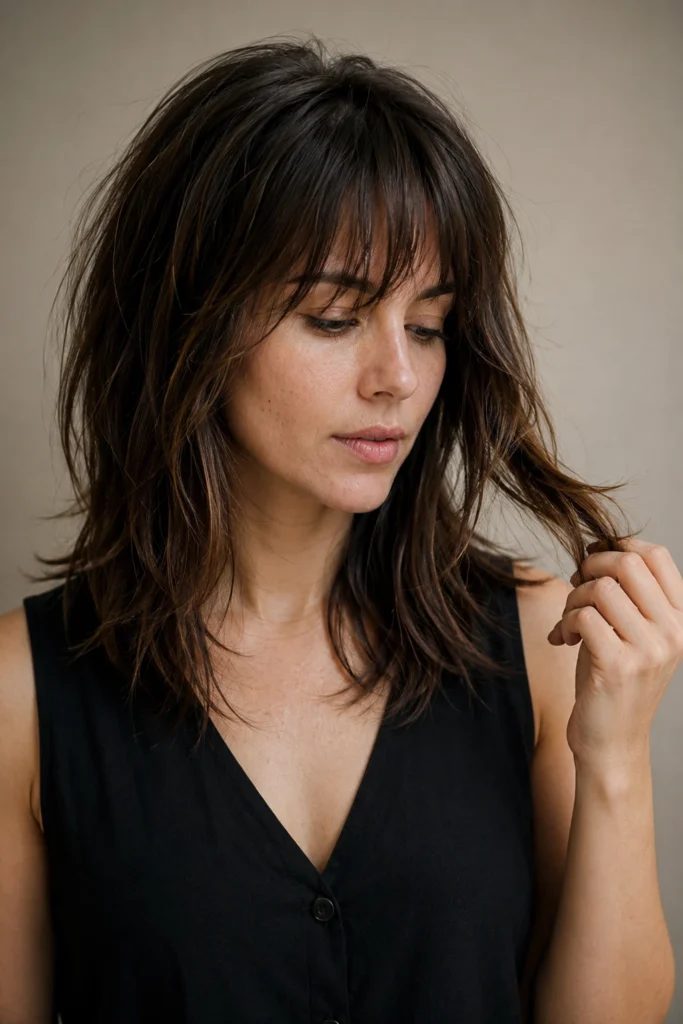
Not every trending cut loves fine hair back, and I think it’s important someone tells you that honestly instead of just hyping every style on Pinterest.Mullets and heavily shaggy layers look incredible on thick, textured hair, but on fine strands they can read as stringy rather than edgy. Choosing tailor-made haircuts for thin fine hair ensures you keep enough weight at the perimeter so your ends never look sparse or see-through.
Razor cutting is another one I approach carefully with fine haired clients. It’s a technique that thins already thin feeling hair even further, and while it can add texture on thicker heads, it tends to leave fine hair looking wispy and see through at the tips. If you love the look of a shag or a razored style, ask your stylist about a softer, blunt cut version instead. You get the vibe without sacrificing the density.
14. Fine Hair Over Fifty

Hormones change everything, and I say that as someone who watched my own mother go through it. Hair naturally gets finer with age for a lot of women, especially through perimenopause and beyond, and cuts that worked beautifully in your thirties can suddenly feel thin and lifeless by your fifties.
The good news is you don’t need to overhaul everything, just adjust your approach slightly.
- Shorter lengths generally photograph and feel fuller than long hair at this stage
- A soft, warm root shadow can disguise regrowth better than harsh all over color
- Blunt ends still outperform heavy layers, same rule applies at every age
What I tell clients most often in this age group is that softness around the face matters more now than it used to. A few gentle face framing pieces can take years off without looking like you’re trying too hard.
15. Growing It Out Without The Awkward Stage

This is the section nobody writes, and it drives me a little crazy because growing out a short cut is genuinely one of the hardest transitions for fine hair specifically. The middle stage, somewhere between chin and shoulder, is where things tend to look shapeless and flat fast.
The trick is staying ahead of it with strategic trims rather than avoiding the salon altogether because you’re trying to save length. Keep light layers moving through the front sections every six weeks or so, even though it feels counterintuitive when your whole goal is more length. This keeps the shape looking intentional instead of just overgrown. Curtain bangs are also a lifesaver during this phase, since they give you something styled and face framing to focus on while the rest catches up. I always remind clients that the awkward stage is temporary, but a bad trim decision made out of impatience can set you back months.
Which cut on this list fits your budget and your actual morning routine best?
Top 6 Low Maintenance Haircuts for Fine Hair
| Look / Item | Estimated Price | Care Level | Where to Buy |
|---|---|---|---|
| Blunt Bob | 40 to 70 dollars | Medium | Root lifting spray on Amazon |
| French Bob | 45 to 75 dollars | Low | Texturizing cream on Amazon |
| Textured Pixie | 60 to 120 dollars | High | Lightweight pomade on Amazon |
| Long Bob (Lob) | 50 to 90 dollars | Medium | Volumizing mousse on Amazon |
| Curtain Bangs Add On | Under 20 dollars | Medium | Mini round brush on Amazon |
| A Line Bob | 55 to 100 dollars | Medium | Dry texture spray on Amazon |
Your 60 Second Cut Picker
By Budget
Budget Friendly Picks
- Blunt Bob, easiest cut for any chain salon to execute well
- Curtain Bangs Add On, barely costs anything at your next trim
- French Bob, low product needs keep ongoing costs down
Worth the Splurge
- Textured Pixie, precision cutting matters here, find a specialist
- Sixties Crop, tapered sides need a steady, experienced hand
- A Line Bob, the stacked angle is easy to mess up on a budget cut
By Lifestyle
Busy Professionals
- Long Bob with Face Framing Layers, polished with almost no effort
- Sixties Crop, styles in minutes, reads as put together instantly
New Moms
- Blunt Bob, forgiving, fast, grows out decently between appointments
- Curtain Bangs Add On, low commitment while your routine is chaos
Hot Weather Styling
- French Bob, thrives on humidity instead of fighting it
- Textured Pixie, minimal hair means minimal sweat and frizz
Weekend Casual
- A Line Bob, styles rough and undone without looking sloppy
- French Bob, air dry and go, zero appointments with a hot tool
Quick Grab Essentials on Amazon
- Root lifting spray for instant crown volume
- Lightweight volumizing mousse for humidity proof body
- Dry texture spray for second and third day styling
Frequently Asked Questions
What is the best low maintenance haircut for fine hair?
The blunt bob wins this one nine times out of ten. It concentrates all your hair’s weight at one line instead of thinning it out with layers, which is exactly what fine hair needs to look fuller without daily styling effort.
How often should I get a haircut with fine hair?
I usually recommend every six to eight weeks for blunt shapes and every four to six weeks for pixies and precision cuts. Fine hair shows growth and split ends faster than thicker hair, so skipping trims tends to backfire quickly.
Do layers make fine hair look thicker or thinner?
Too many layers actually make fine hair look thinner, not thicker. A few soft, strategic layers around the face can work, but heavy layering throughout removes the weight your hair needs to fake density.
What haircut hides thinning hair on top?
Shorter cuts with volume concentrated at the crown work best, especially a sixties inspired crop or a stacked A line bob. Root lifting spray applied before blow drying makes a real difference here too.
Can I still have long hair if my hair is fine?
Yes, but you’ll need to be strategic about it. A long bob with restrained face framing layers holds volume far better than hair past the shoulders, since length alone tends to pull fine hair flat over time.
Conclusion:
Your hair doesn’t need to be thick to feel like a whole thing. It just needs a cut that’s actually working with it instead of fighting it every morning. Print out one photo from this list, take it to your stylist, and let them tell you honestly which shape suits your face and your real life schedule. Small changes like a blunt line instead of choppy layers can genuinely change how confident you feel walking out the door. So tell me, which cut are you saving for your next appointment, and what’s the one thing about your fine hair that drives you a little crazy?

4 thoughts on “15 Low Maintenance Haircuts for Fine Hair That Add Volume”