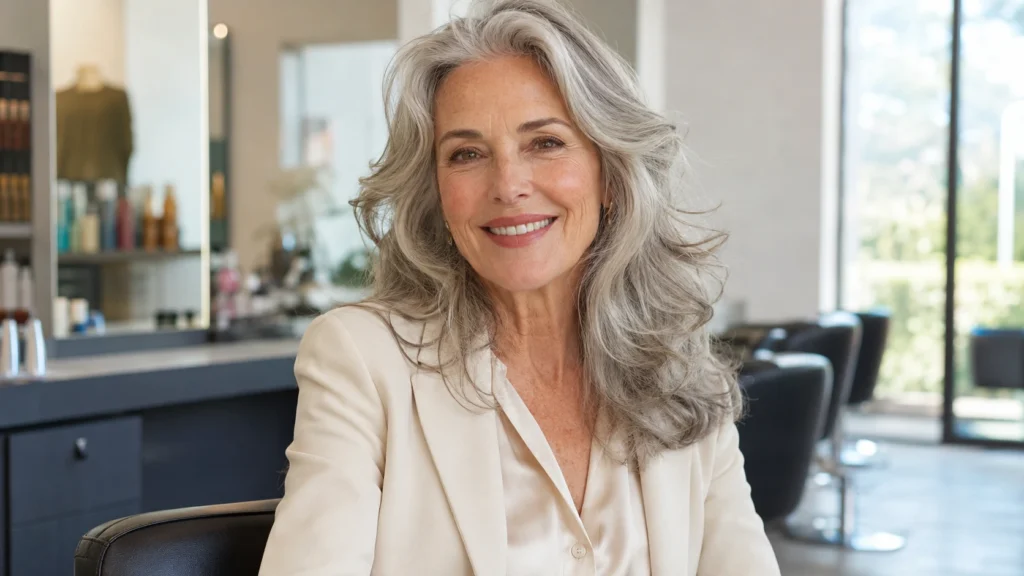
Hairstyles for women over 60 can completely change how you feel about your hair without making you look like you’re trying to turn back the clock. Sixty hit me and suddenly every hairstyle I’d worn for a decade looked like it was trying too hard. I remember sitting in my chair one Tuesday, scissors in hand, telling a client the truth nobody wants to hear at a salon: the problem usually isn’t your face or your gray, it’s a cut that stopped fitting your life five years ago. Good hair after 60 isn’t about chasing youth, it’s about working with what you’ve got until it looks effortless. That’s exactly what we’re getting into today: sixteen cuts that actually earn their keep.
My Styling Notes
I’ll never forget a client named Diane who came to me every eight weeks for years asking for “just a trim.” She’d been growing her hair since her thirties and swore short hair would age her overnight. One appointment I finally talked her into shoulder length layers instead of another safe trim, and I was honestly nervous she’d hate it. She came back six weeks later saying coworkers kept asking what she’d done differently, and here’s the part that surprised me: it wasn’t really the cut. It was that the new length forced her to finally use a root lifting mousse she’d been ignoring for years. My biggest lesson from that day? We often blame our hair for looking tired when really it’s our routine that needs the update, not our scissors.
16 Timeless Cuts That Give Women Over 60 an Effortless, Elevated Edge
1. The Wash and Wear Pixie
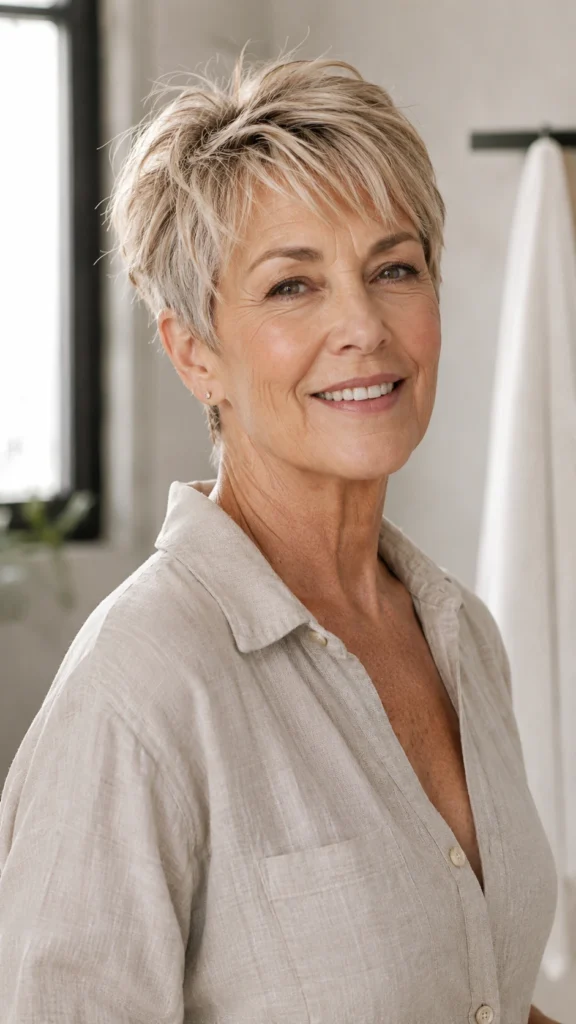
If you want hair that keeps up with your life instead of running it, this is the cut I reach for again and again. A short pixie with soft texture on top and a little length around the ears works beautifully on almost every face shape, and it dries in the time it takes to make coffee. If you want to explore more low-effort options, check out our favorite wash and wear haircuts for women over 60 for extra inspiration. It’s not a cut for anyone attached to hiding behind their hair, but if you’re ready to show off your cheekbones, this one delivers instant polish with almost zero effort.
2. The Textured Bixie
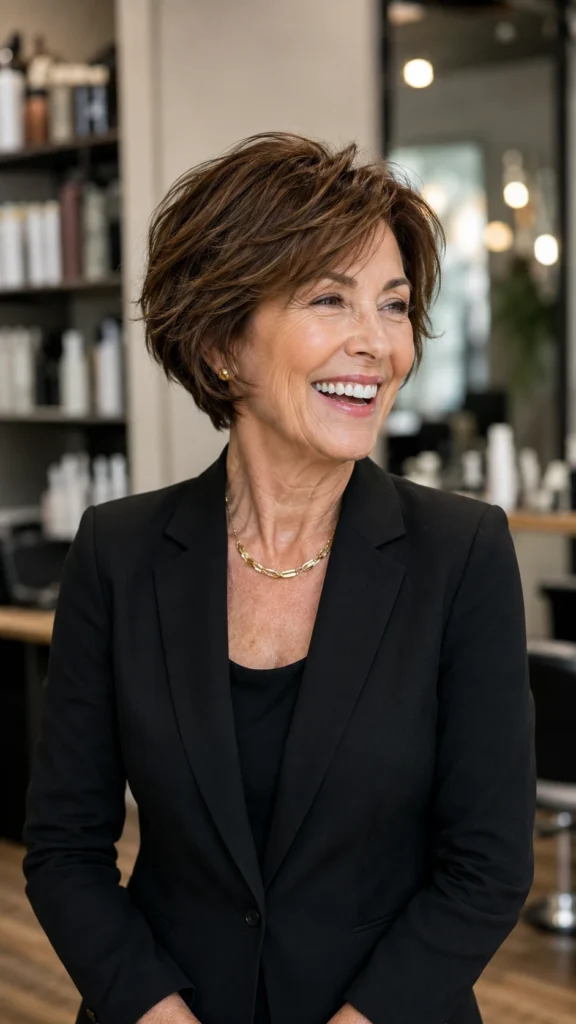
Think of the bixie as the friend who talks a nervous bride off the ledge before she chops all her hair off. It’s longer than a pixie but shorter than a bob, which makes it the perfect bridge cut if you’re pixie curious but not fully committed. I love recommending this one because it grows out gracefully, so you’re never stuck with an awkward in between stage.
A few things that make this cut work so well:
- It softens angular jawlines without adding bulk
- It plays nicely with cowlicks and natural waves
- It only needs a light texturizing cream, no heavy styling required
3. The Classic Bob With Side Bangs
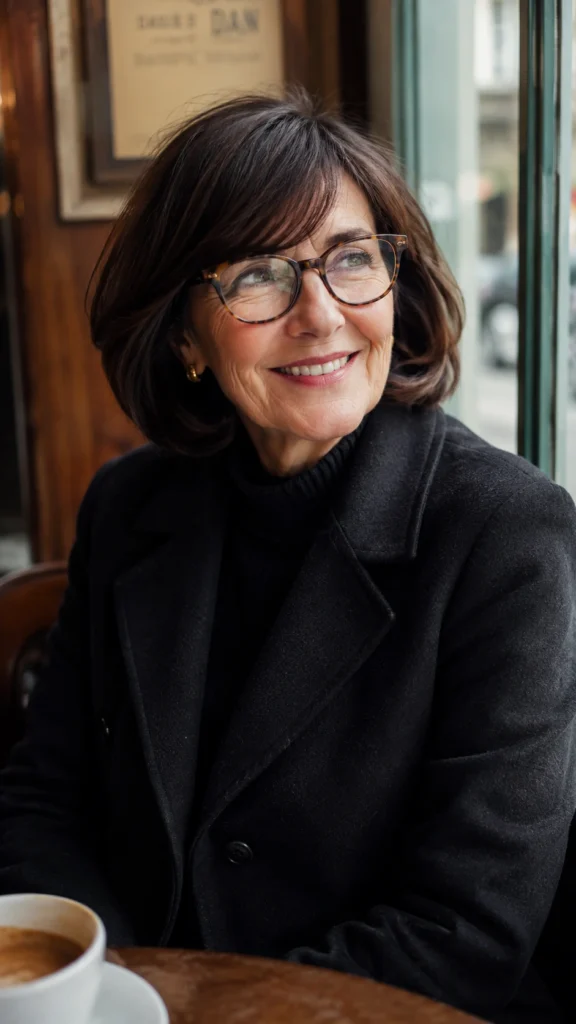
There’s a reason this one shows up on nearly every stylist’s most requested list. A chin length bob with softly swept bangs frames the face in a way that feels put together even on your laziest mornings, and it happens to be one of the most glasses friendly cuts out there because the length sits right at the frame line instead of competing with it. One thing I always tell my clients wearing readers or blue light glasses is to ask for slightly shorter layers around the temple, since bulky hair there tends to bump right into the arms of your frames and get annoying by lunchtime. Add a glossing treatment every few visits and this cut looks expensive without actually costing a fortune to maintain.
4. The Long Layered Lob
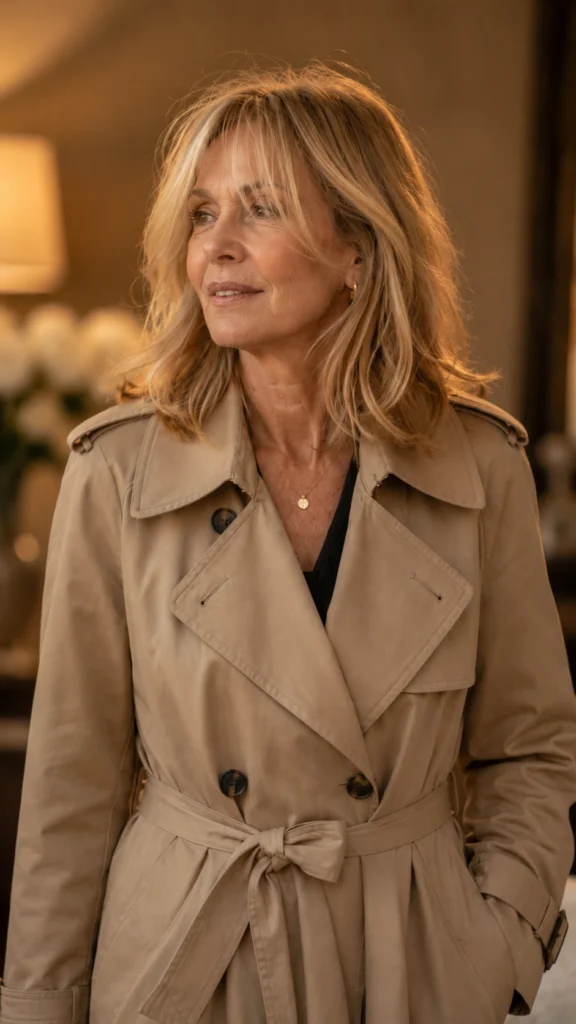
A lob sitting right around the shoulders is what I call the no drama option, because it gives you enough length to still put your hair up on a bad day, but enough movement that it never looks stiff or dated. This length also happens to be incredibly forgiving on thinning strands, since the slight weight at the bottom keeps everything looking fuller than it actually is. My favorite part is how versatile it is for travel too, since a quick air dry with some texture spray and you’re out the door looking like you tried way harder than you did.
5. Shoulder Length With Face Framing Layers
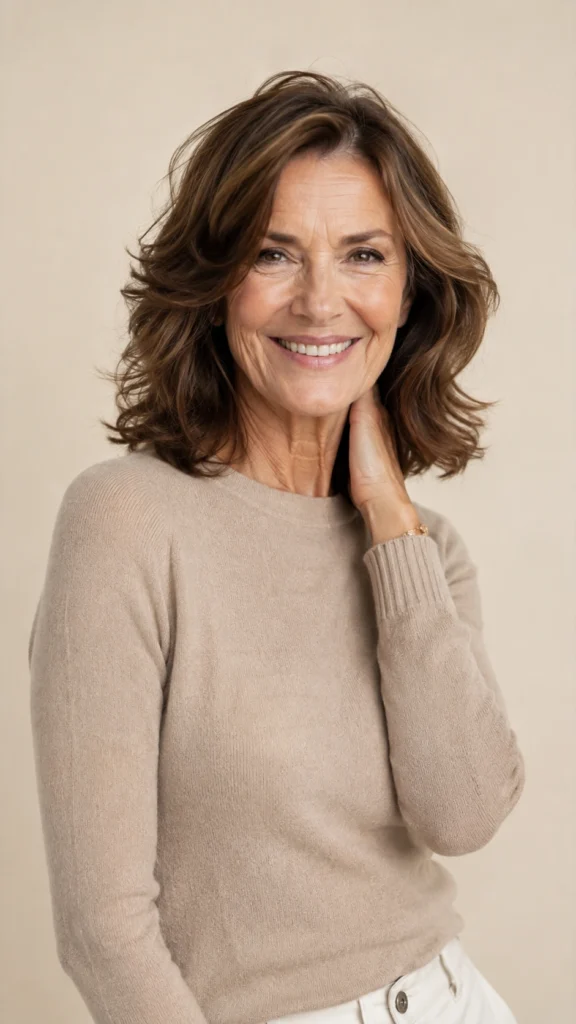
This is the length I recommend to clients who aren’t ready to commit to short but are tired of their hair falling flat with zero shape. Layers cut around the face catch the light and add movement without stripping away the length you’re used to, which makes it feel like a refresh rather than a total transformation. It’s the safe choice that somehow never looks boring.
Between the low maintenance picks and the splurge worthy ones, which fits your life right now?
6. Long Hair Past Sixty, Yes You Can Keep It
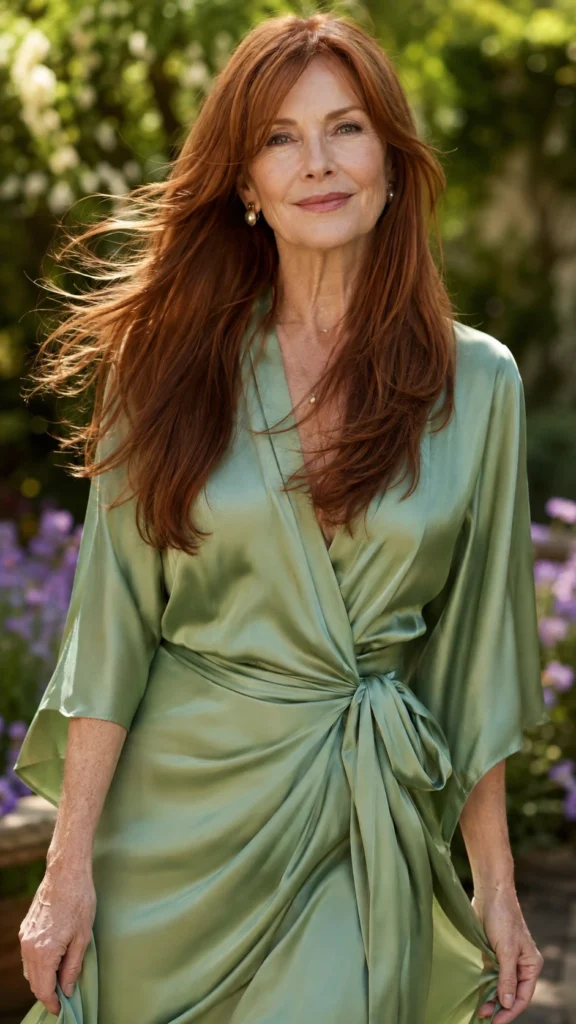
Let’s clear something up right now. Nobody is taking away your long hair privileges at sixty, no matter what your aunt’s hairdresser told her in 1998. The key is condition and weight distribution, not length alone. Hair that’s healthy, glossy, and cut with enough layering to move naturally reads as youthful at any age, while hair that’s brittle or blunt at the ends reads tired even at shoulder length.
A few things I make sure of before letting a client keep her long hair:
- Regular trims every eight to ten weeks to prevent that stringy look
- A hydrating mask at least once a week, non negotiable
- Layers that start below the chin so it never looks like a heavy curtain
7. Shoulder Length Layers With Deep Side Part
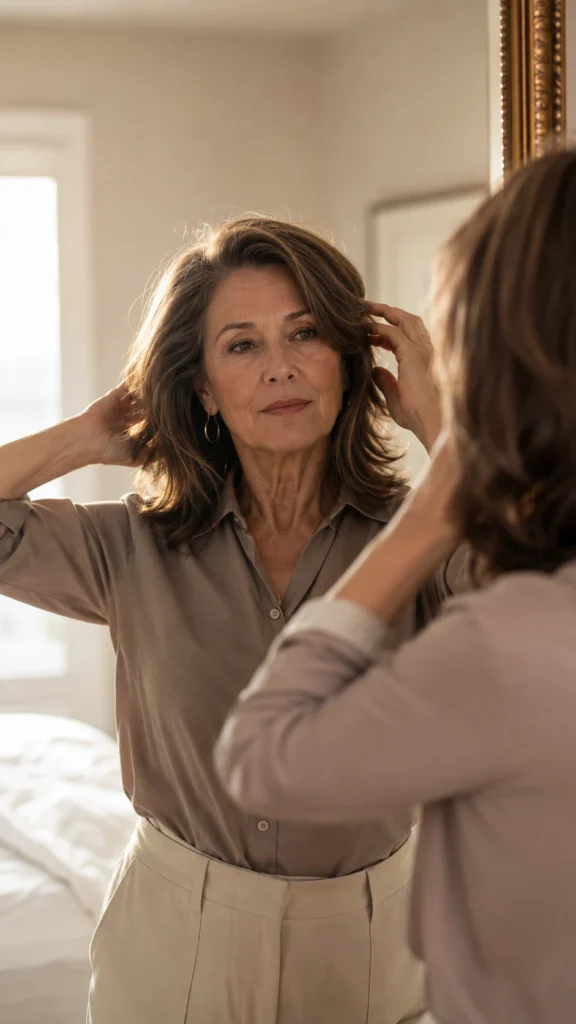
A deep side part does something almost magical for volume, especially if your hair has thinned a bit at the crown over the years. It lifts the roots naturally and creates the illusion of thickness without you touching a single volumizing product. Pair it with soft layers around the face and you’ve got a style that photographs beautifully and styles itself most mornings.
8. Styling for Thinning Hair and Lower Density
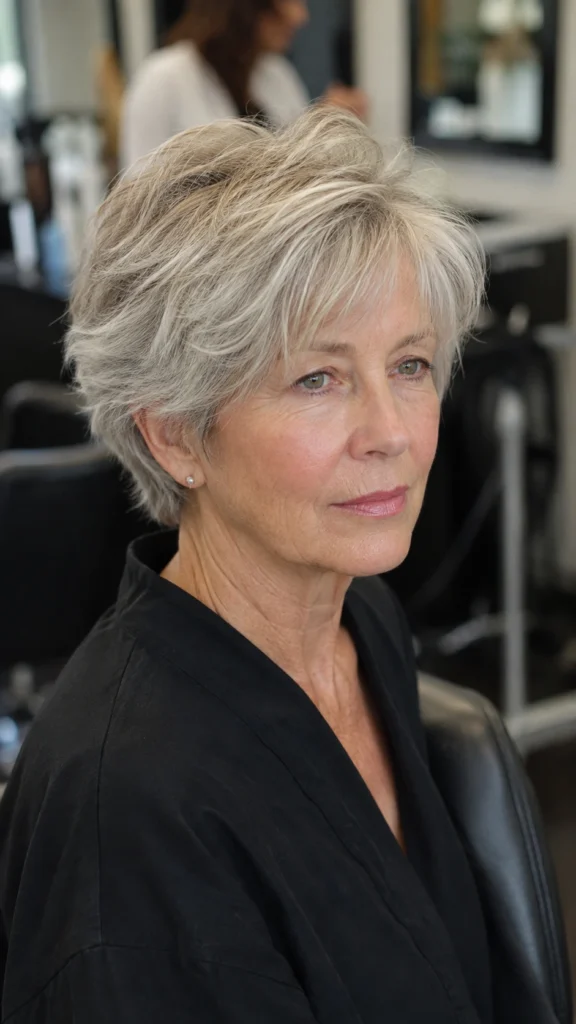
This is the conversation I have most often in my chair, and honestly it deserves way more airtime than it gets. Understanding managing thinning hair and density loss helps you choose cuts that work smarter for your hair type. Shorter layers at the crown create lift where you need it most, while blunt ends at the perimeter trick the eye into seeing more density than you actually have. One thing I always tell clients dealing with this is to ask their colorist about a few strategically placed lowlights near the scalp, since they create depth and make thinning spots far less noticeable under regular indoor lighting.
9. Best Cuts for Glasses Wearers
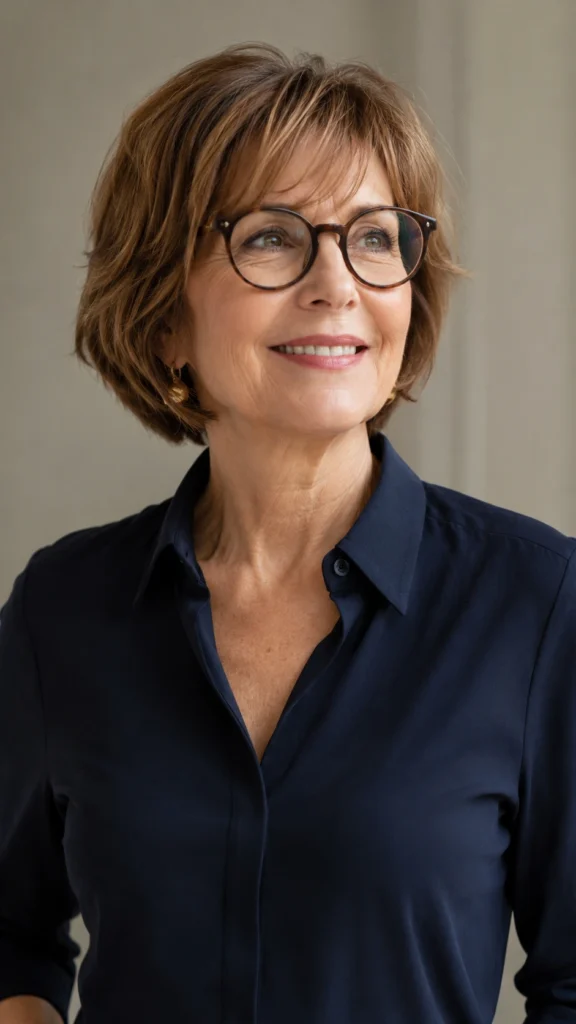
Glasses change the whole equation when it comes to choosing a haircut, and it drives me a little crazy how rarely this gets talked about. Frames add visual weight to the upper half of your face, so your hair needs to balance that out instead of competing with it. I generally steer glasses wearers toward cuts with movement at the cheekbone or jaw, since that’s where the eye naturally lands once frames are in the picture.
A few pairings that consistently work well together:
- Bold or thick frames pair beautifully with soft layered bobs
- Thin wire frames look great with sleek, straight styles
- Avoid heavy blunt bangs if you wear glasses daily, they tend to fight with the frame line
10. Best Cuts by Face Shape
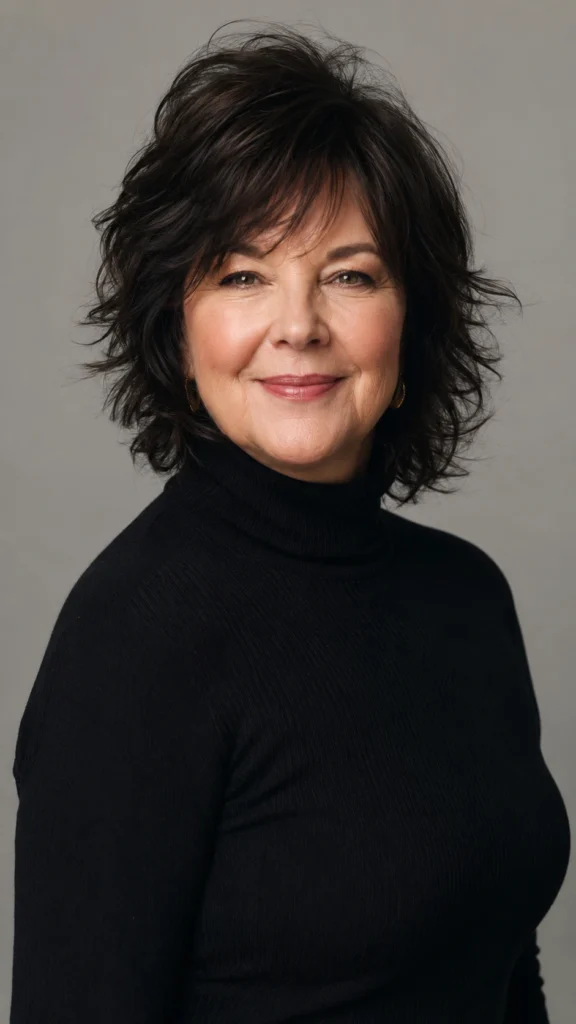
Every face shape has its own sweet spot, and honestly this is where a lot of women get stuck picking a style off Pinterest that was never built for their bone structure in the first place. Round faces tend to love angles and height at the crown, while square faces soften beautifully with waves or curls. Oval faces can pretty much wear anything, lucky them, and heart shaped faces look stunning with chin length cuts that balance a narrower jawline. Bring a photo of your actual face shape concerns to your stylist, not just a celebrity photo, and you’ll walk out with something that actually flatters you instead of just looking nice on someone else.
11. Best Cuts by Hair Texture
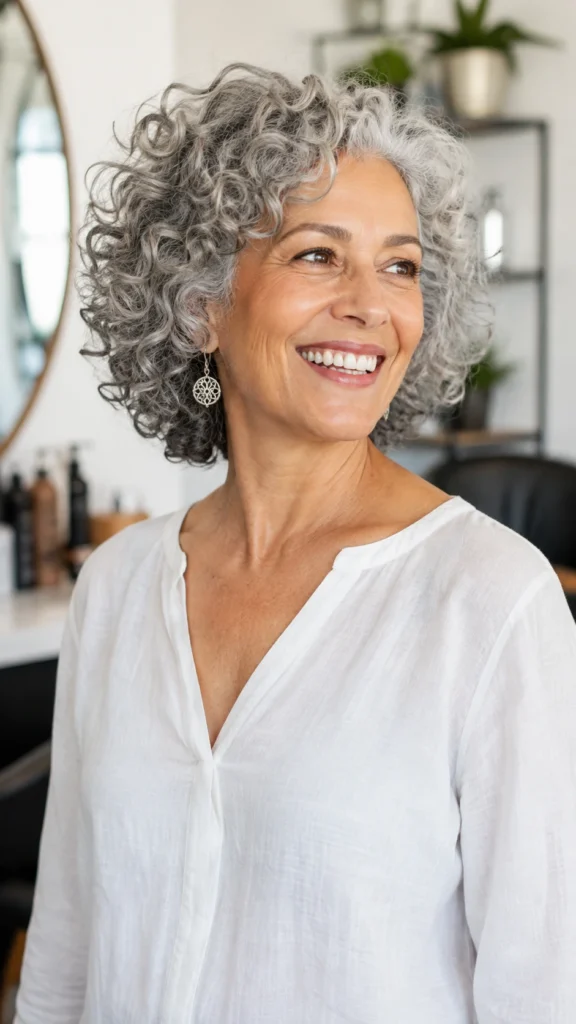
Texture changes everything about how a cut behaves, which is why the exact same haircut can look completely different on two women. Fine hair needs blunt ends for the illusion of thickness, while thick or coarse hair usually benefits from heavy layering just to lighten the load. Curly hair should almost always be cut dry so your stylist can see how each curl actually falls, and wavy hair tends to thrive with a little length to keep the waves from turning into a frizzy triangle shape. My rule of thumb is simple, if your stylist isn’t asking about your natural texture before cutting, that’s a red flag worth mentioning.
What’s your hair been begging you to change lately, if you’re being honest?
12. Low Maintenance and Budget Friendly Picks

Not every client wants to spend her Saturdays in a salon chair, and honestly I respect that completely. The most budget friendly cuts are the ones that grow out gracefully and don’t require constant trims to stay in shape, think textured bobs and long layers rather than precise geometric cuts. A wash and wear pixie might sound like the cheapest option upfront, but the truth is you’ll be back every four to six weeks for a trim, so factor that into your decision. If your budget is tight, ask your stylist about a shape that stretches to ten or twelve weeks between visits instead, since that alone can save you real money over a year.
13. Climate Proofing Your Cut
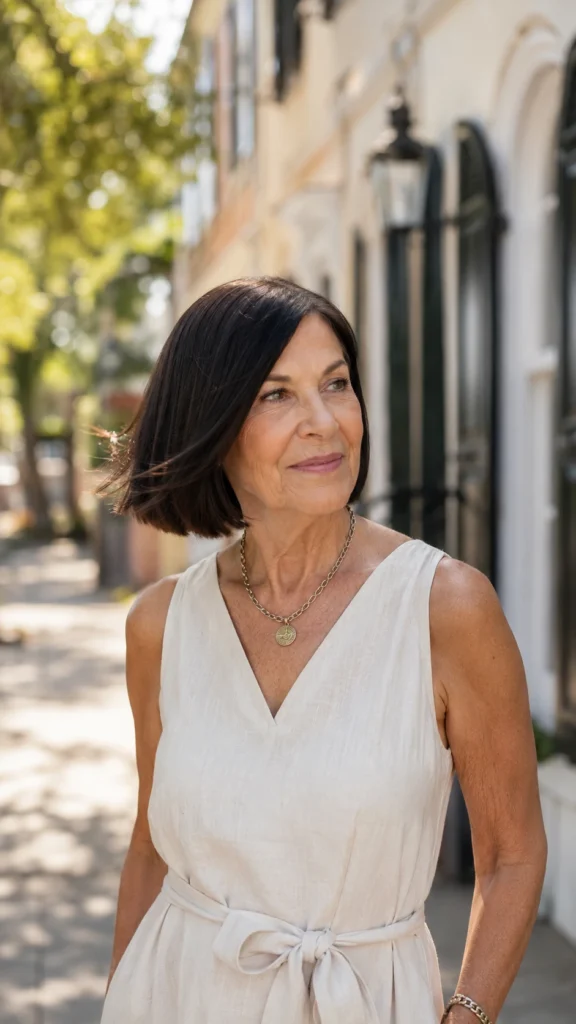
Where you live should honestly factor into your haircut decision just as much as your face shape does, and this is something almost nobody talks about. If you’re dealing with Southern humidity, a blunt bob tends to hold up better than loose waves that frizz the second you step outside. Dry climates like Arizona or parts of Texas call for extra moisture focused cuts and regular deep conditioning, since dry heat pulls moisture right out of your ends. Coastal living comes with its own challenges too, salt air can actually work in your favor with beachy waves, but it also means more frequent trims since salt water is notoriously drying.
14. Gray Hair and Color Maintenance Reality Check
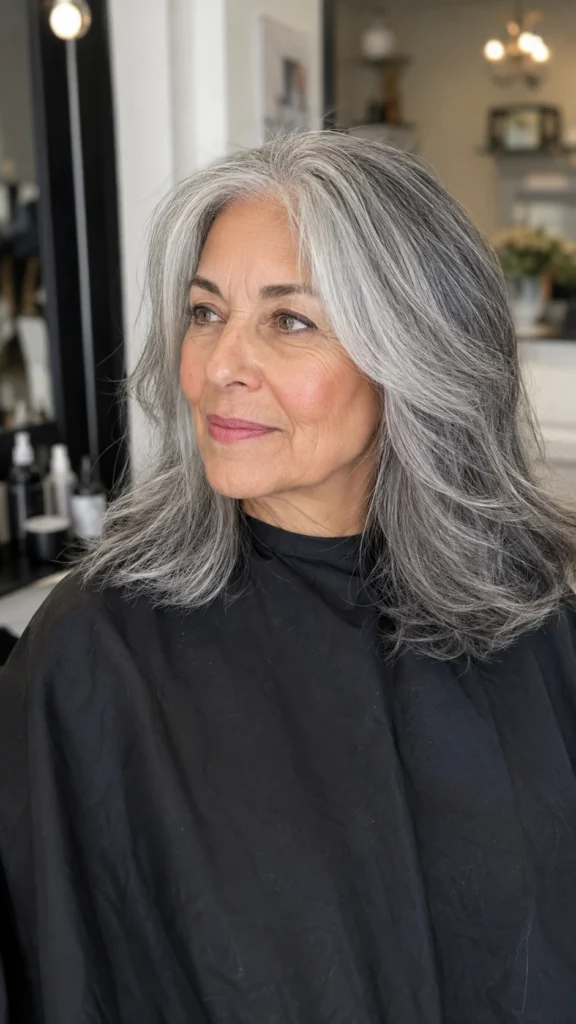
Let’s talk money and time, because nobody puts these numbers in writing and I think that’s doing women a disservice. Full coverage color every four weeks adds up fast, both in dollars and in Saturday mornings spent in a salon chair. A lot of my clients have switched to gray blending for older women instead, where lowlights and highlights are woven through so the regrowth line practically disappears. It costs more per visit but stretches to eight or even ten weeks between appointments, which often balances out in the end. If you’re ready to go fully gray, the transition period is the hardest part, and a shorter cut genuinely speeds that process along since there’s simply less old color left to grow out.
Which one of these cuts are you most tempted to try first?
15. Active Lifestyle Hair

If your mornings involve a swim, a run, or a yoga class before anyone sees you in public, your hair needs to be able to keep up. Chlorine and humidity are brutal on color treated hair, so following proper hair care routines with a protective leave in spray before swimming and a clarifying shampoo afterward is essential to strip out any buildup. Shorter cuts naturally handle sweat and humidity better since there’s less hair to trap moisture against your neck. A few product swaps that make a real difference:
- A silicone based leave in before chlorine exposure
- Dry shampoo that doubles as texture spray for post workout volume
- A silk scarf for swimming to protect color from fading
16. Choosing the Right Cut for You
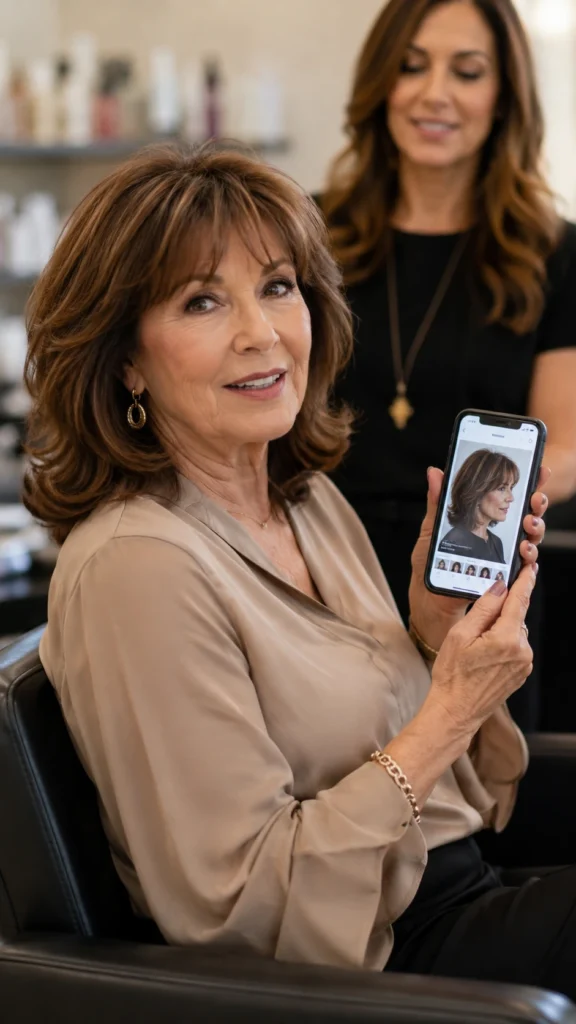
At the end of the day, the best haircut isn’t the one trending on your feed, it’s the one that fits your actual mornings, your actual climate, and your actual hair. Bring photos, but bring honesty too, tell your stylist how much time you’re really willing to spend with a blow dryer and how often you’ll realistically make it back for a trim. The women who leave my chair happiest are never the ones chasing someone else’s hair, they’re the ones who finally let their stylist build something around the life they already have.
Top 6 Hairstyles for Women Over 60
| Look / Item | Estimated Price | Care Level | Where to Buy |
|---|---|---|---|
| Wash and Wear Pixie (texturizing cream) | Under 20 dollars | Low | Amazon |
| Textured Bixie (matte styling paste) | Under 25 dollars | Low | Amazon |
| Classic Bob with Side Bangs (glossing serum) | 15 to 35 dollars | Medium | Amazon |
| Long Layered Lob (texture spray) | Under 20 dollars | Medium | Amazon |
| Shoulder Length Deep Side Part (root lift mousse) | 10 to 25 dollars | Medium | Amazon |
| Gray Blending Maintenance (root touch up spray) | 15 to 30 dollars | High | Amazon |
Your 60 Second Cut Picker
By Budget
Budget Friendly Picks
- Textured bixie, minimal product needed
- Long layered lob, stretches between trims
- Shoulder length with deep side part
Worth the Splurge
- Blended gray color technique
- Precision bob with side bangs
- Keratin smoothing for gray, coarse texture
By Lifestyle
Busy Professionals
- Wash and wear pixie
- Shoulder length layers, air dry friendly
Hot and Humid Climates
- Blunt bob, holds shape against frizz
- Short layered cuts that dry fast
Active and On the Go
- Textured bixie for post workout ease
- Short pixie, sweat proof and low fuss
Glasses Wearers
- Soft layered bob
- Sleek shoulder length with deep side part
Weekend Casual
- Long hair with loose waves
- Long layered lob, effortless texture spray finish
Frequently Asked Questions
What is the most flattering haircut for a woman over 60?
I usually recommend a bob with side swept bangs, since it frames the face and softens features that change with age. It works on nearly every hair type and stays polished with minimal daily effort.
Should women over 60 avoid long hair?
No, that’s an old myth that needs to retire. Long hair works beautifully past 60 as long as it’s healthy, properly layered, and trimmed regularly so it never looks flat or stringy.
What is the best low maintenance haircut for older women?
The wash and wear pixie wins here hands down. It dries in minutes, holds its shape for weeks, and needs almost no styling tools to look put together.
What haircut is best for thinning hair after 60?
Shorter layers concentrated at the crown create instant lift and disguise thinning better than most products can. Ask your stylist for blunt ends too, since they add the illusion of thickness.
How often should women over 60 get a haircut?
Most cuts hold their shape well for six to eight weeks before they start losing definition. Shorter styles like pixies tend to need trims closer to every four to six weeks to stay sharp.
Conclusion:
Here’s the thing I want you to walk away with. Your hair doesn’t need a total overhaul to make you feel like yourself again, sometimes it just needs a stylist who’s actually listening and a few small tweaks you commit to trying. Pick one cut from this list, screenshot it, and bring it to your next appointment, that single step is how every great hair era actually starts. You’ve got sixteen solid options now, so there’s no excuse for another year of “just a trim” if that’s not really what you want. So tell me, which one are you booking first, and what’s stopping you from calling your stylist today?
