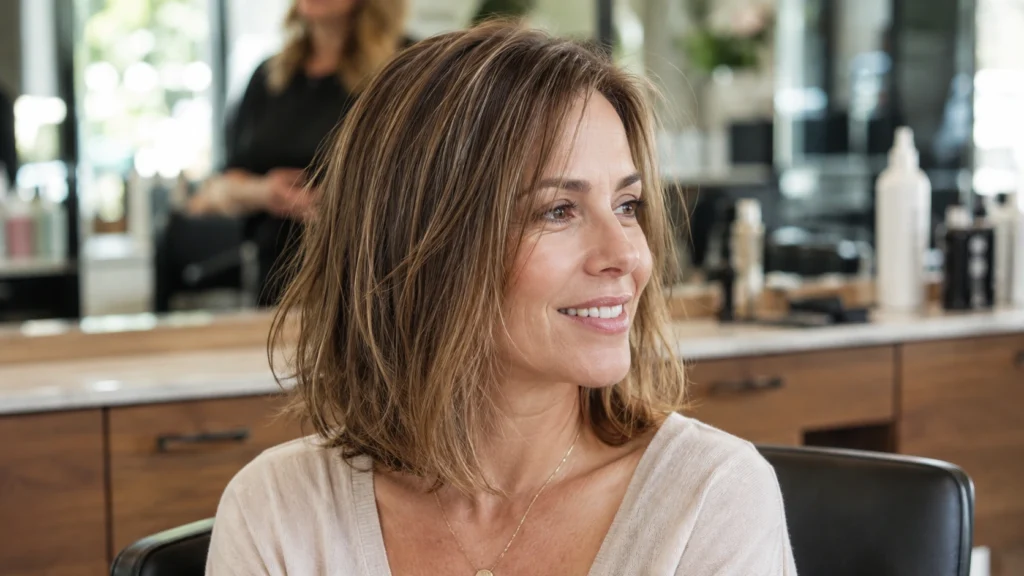
Lob haircuts for thin hair can be a game changer when your strands look amazing at 9am and completely flat by noon. If you have ever caught your reflection in an elevator mirror and wondered where all your hair went, you are definitely not alone. I have sat behind more clients than I can count who swore their hair was “just thin” when really their cut was working against them instead of for them. The good news is that a lob, that gorgeous in-between length that skims your shoulders, might be the single easiest fix you never tried. Stick with me and I will show you exactly which lob styles create real volume, not just the illusion of it in a salon mirror.
My Styling Notes
I’ll never forget the bride who sat in my chair three weeks before her wedding, gripping her ponytail like I was about to take away her firstborn. She wanted to keep every inch of length for her updo, even though her ends were so fine you could see her scalp through them in certain light. I gently talked her into a trial cut at lob length with soft layers, and honestly, I held my breath the whole time. When we did her hair trial, she watched the updo hold its shape without a single hair extension or teasing comb in sight, and her face just changed. She texted me the morning of her wedding to say it was the best haircut decision she never wanted to make. That moment taught me something I still tell every thin haired client today. Sometimes going shorter is the actual secret to looking like you have more hair, not less.
16 Effortless Lob Cuts That Bring Instant Volume to Fine, Thin Hair
1. A Line Lob
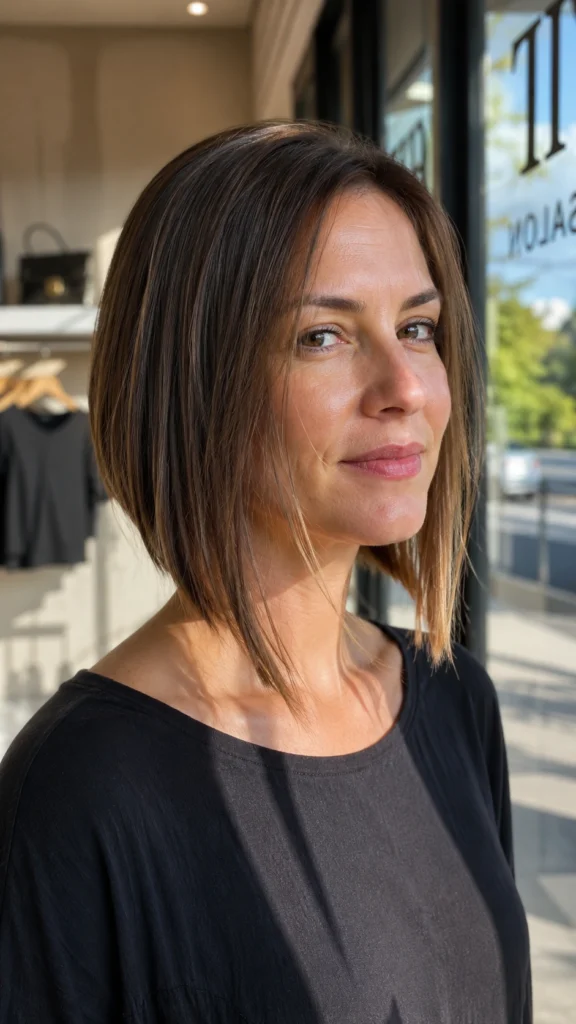
If you only remember one styling term today, let it be this one. An A line lob is cut slightly shorter in the back and longer toward the front, and that little bit of visual angle does something almost magical to thin hair. It tricks the eye into seeing more density at the ends instead of that wispy, see through fade a lot of thin hair naturally has. I always tell clients to keep the front pieces landing right around the chin or jaw, never past the collarbone, because that’s where the thickness illusion holds strongest.
One thing I always tell my clients in the chair is that this cut photographs beautifully from every angle, which matters more than people admit. A quick trick I’ve learned over the years is to ask for a slight forward angle rather than a dramatic one. Too steep and it starts looking more like a wedge than a soft, lived in shape.
2. Blunt Lob
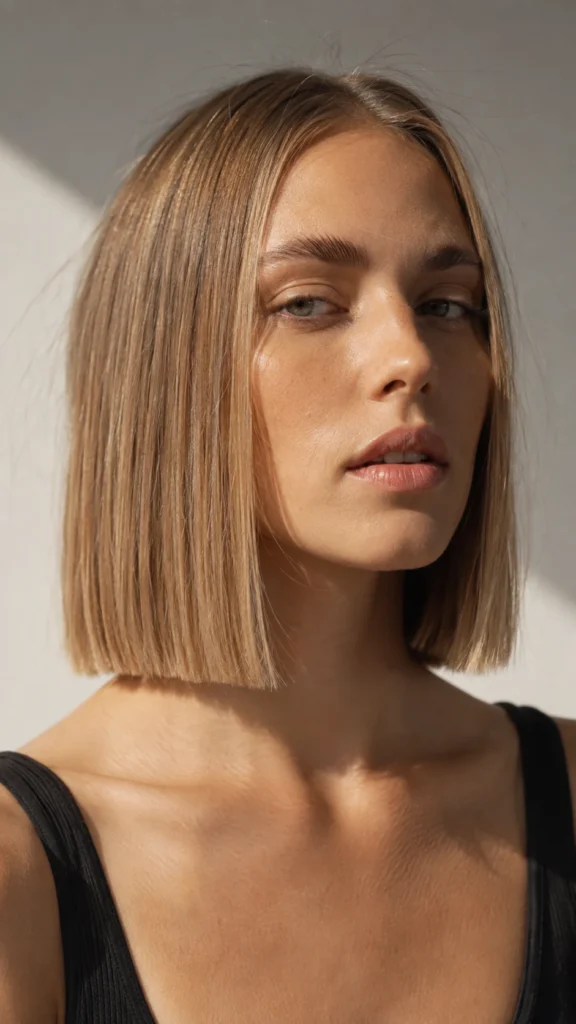
Blunt cuts get a bad reputation for looking severe, but on thin hair they’re honestly one of the smartest moves you can make. Cutting straight across without layers keeps every strand at the same weight line, and that solid, uninterrupted edge reads as thicker to the eye than feathered or layered ends ever will.
Here’s the honest part nobody tells you though. Blunt lobs grow out fast and unevenly, especially if your hair grows at different rates around your head like most people’s does. You’ll want a trim every six to eight weeks to keep that crisp line looking intentional instead of ragged.
A few things worth knowing before you commit:
- Blunt ends show split ends faster, so a good leave in treatment is non negotiable
- This cut works best styled poker straight or with very loose, barely there waves
- Avoid heavy layering underneath or you’ll lose the entire point of the cut
What’s your hair doing right now that’s making you want a change, is it flat by noon, hard to style, or just not feeling like you anymore?
3. Layered Lob

I have strong feelings about layers on thin hair, and here’s the thing. Soft, long layers are your friend. Short, choppy layers stacked all over the place are not, and I’ve had to talk more than one client out of a Pinterest photo that would have left her hair looking patchy instead of full.
The goal with a layered lob is movement without sacrifice. You want layers that start well below the chin, ideally around the collarbone, so the ends still carry enough visual weight to look thick. When layers start too high, thin hair just can’t hold onto that density, and you end up with wispy pieces flying everywhere by 2pm.
My honest take is that this cut needs a good blow dryer routine to really shine. Air drying tends to make the layers fall flat rather than bounce.
4. Textured Choppy Lob
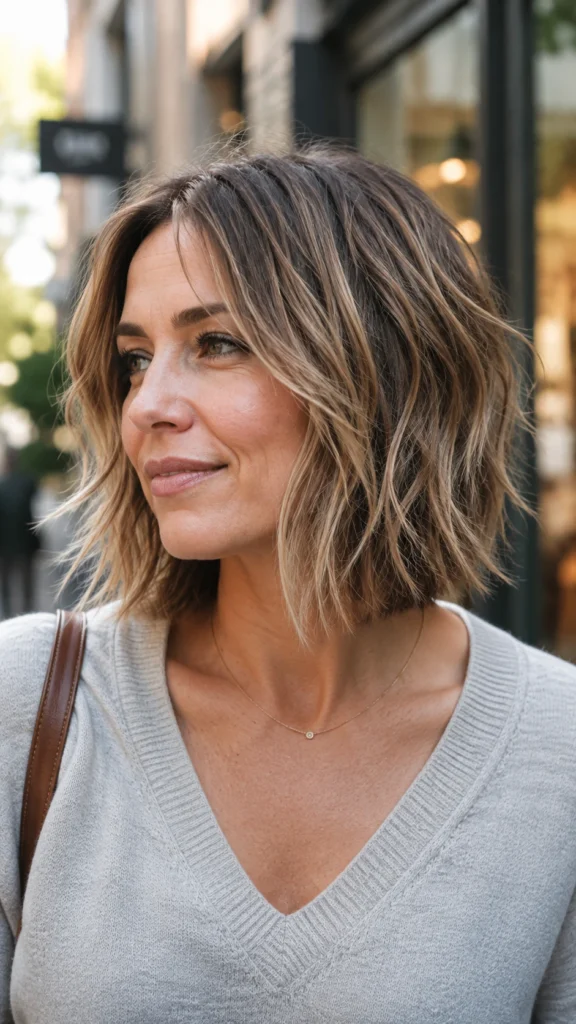
This is where I see the most confusion, honestly. People assume texture automatically means volume, but on fine hair, texture can actually work against you if it’s overdone. The trick is choosing textured ends that are subtle rather than heavily razored, because too much thinning shears will strip away the very thickness you’re trying to create.
Done right though, a textured lob adds just enough grit and movement to make hair feel effortlessly undone,If you like this lived-in texture, choppy bob hairstyles for fine hair are another style worth exploring. the kind of look that says you woke up like this even though you absolutely did not. I usually recommend point cutting instead of razor cutting for thin hair clients, since it softens the ends without removing bulk.
A little sea salt spray scrunched through damp hair goes a long way here. It gives the texture something to grip onto instead of falling flat by lunch.
5. Asymmetrical Lob
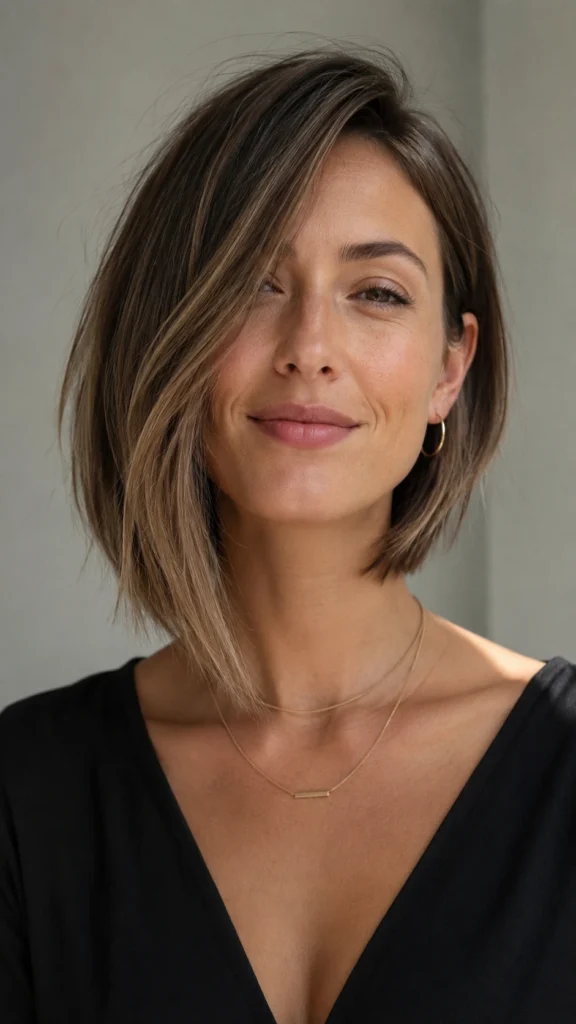
I’ll be upfront about this one. An asymmetrical lob is a commitment, not a cut you can throw up in a messy bun and forget about. One side sits noticeably longer than the other, and that intentional imbalance draws the eye across your face in a way that makes thin hair look purposefully styled rather than accidentally sparse.
What I love about this shape is how it flatters almost every face type, especially round or square shapes that benefit from that diagonal line breaking things up. The catch is that regrowth shows more obviously here than with symmetrical cuts, so you’re looking at more frequent trims to maintain the drama.
What I love about this shape is how it flatters almost every face shape, especially round or square shapes that benefit from that diagonal line breaking things up.
If you’re someone who loves a little edge and doesn’t mind extra salon visits, this one is genuinely worth trying.
6. Wavy Lob

Waves and thin hair have a complicated relationship, but when you get the technique right, this might be the single most volumizing style on this whole list. The key is tool size. A one inch barrel curling iron creates waves with enough body to actually hold, while anything smaller tends to fall into limp ringlets within an hour.
We’ve all been there, curling our hair only to watch it drop flat before we even leave the bathroom. My go to fix for clients dealing with this is alternating the direction of each curl, away from the face and then toward it, which builds in texture that a uniform curl pattern just can’t match.
A few product notes that actually make a difference:
- Spray a lightweight sea salt texturizer on damp hair before blow drying
- Curl away from your face on alternating sections for natural looking dimension
- Finish with a flexible hold hairspray, never anything stiff or crunchy
Between low maintenance and full on glam, which lob actually fits the mornings you really have, not the ones you wish you had?
7. Straight Sleek Lob
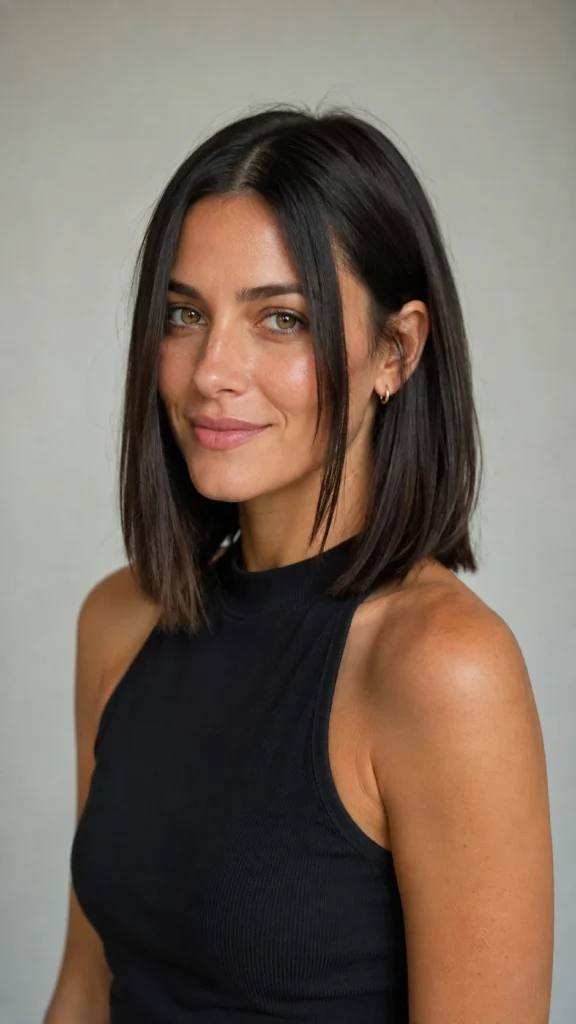
There’s a myth floating around that thin hair and pin straight styles don’t mix, and honestly, I disagree. A sleek straight lob can look incredibly polished and full, but only if you nail the finishing technique. The biggest mistake I see is straightening hair flat against the head with zero root lift, which flattens whatever natural volume was already there.
I always tell clients to blow dry with their head tipped upside down first, using a round brush at the roots to create lift before any flat iron touches the hair. That little bit of prep work at the base changes everything about how full the finished style reads.
That little bit of prep work at the base changes everything about how full the finished style reads. Since frequent heat styling can be hard on the hair, keep your tools at a moderate temperature and avoid unnecessary passes over the same section.
One thing worth knowing honestly is that straight styles show oil and product buildup faster than wavy or textured ones. Dry shampoo becomes your best friend here, not just a backup plan.
8. Inverted Lob
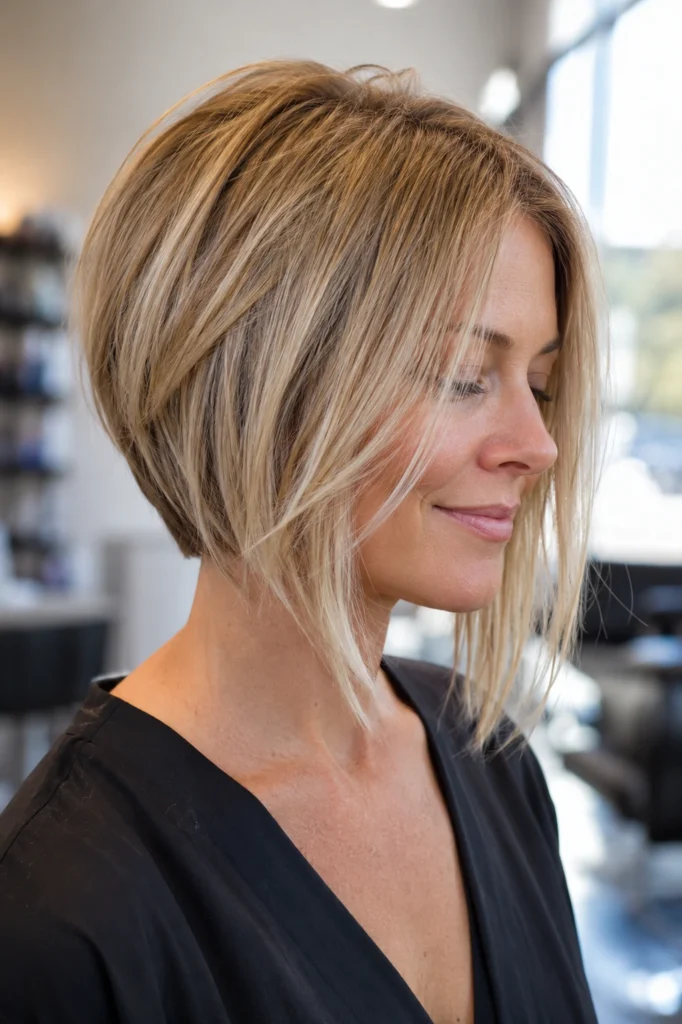
An inverted lob is stacked shorter in the back with longer pieces framing the front, and the whole point is building height and volume right at the crown, which happens to be the exact spot thin hair struggles most. I’ve watched this cut transform clients who felt like their hair just sat there with zero life at the top of their head.
We did this cut on a client of mine last spring who had been wearing the same shoulder length style for nearly a decade, and the difference in how her hair moved afterward was honestly kind of stunning. Regular blow drying with a round brush at the crown keeps that stacked shape looking intentional rather than accidental.
9. Face Framing Lob
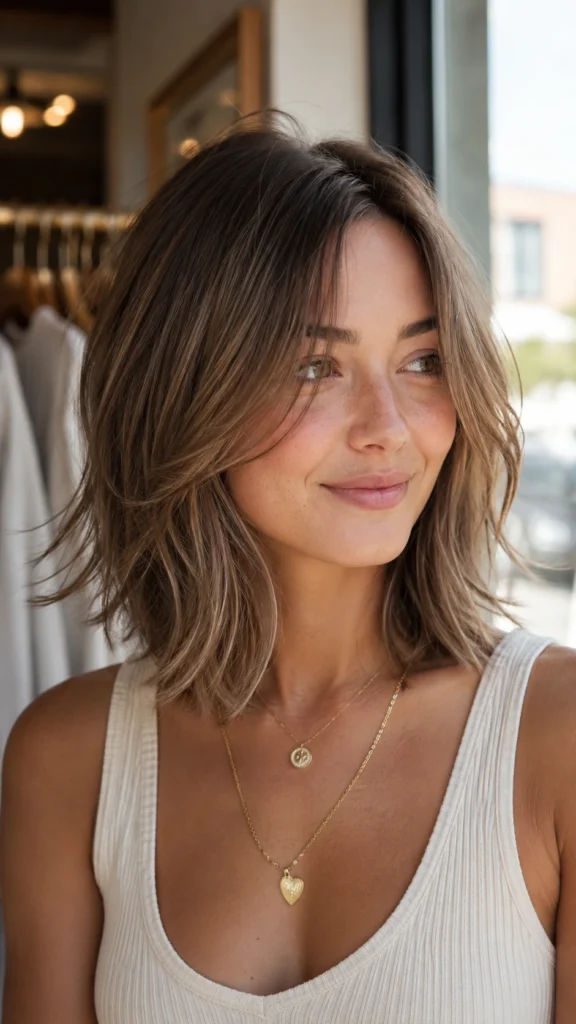
Face framing pieces are one of those small details that make an outsized difference, especially if your hair is on the finer side. Cutting a few longer layers around your cheekbones and jaw draws attention exactly where you want it, softening your features while adding the illusion of extra thickness right around your face where people actually look first.
I always tell clients this works best when the framing pieces are cut with a slight curve rather than a straight line, since a curve blends more naturally into the rest of the cut. It’s subtle, but subtle is often what thin hair needs most.
A quick trick I’ve learned is pairing this with a light wave right at the ends of those framing pieces. It keeps them from looking stiff or pasted to your cheeks.
10. Lob With Curtain Bangs
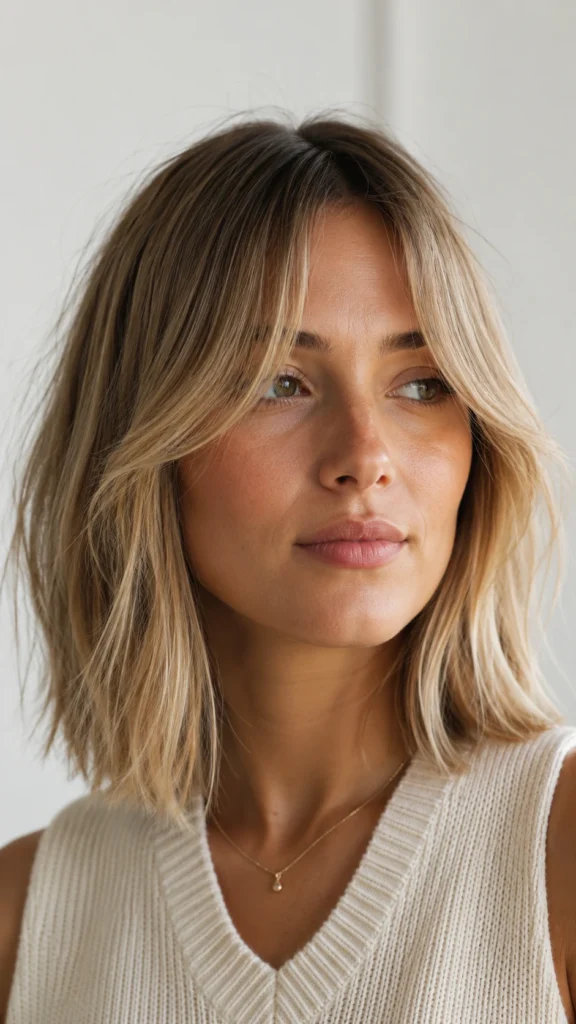
Curtain bangs might genuinely be the laziest, most effective volume hack on this entire list, and I mean that as a compliment. Parted down the middle and swept to each side, they add width across the top of your head exactly where thin hair tends to look flattest.
We had a client last winter who was terrified of commitment but wanted more fullness without a full haircut. Curtain bangs on her existing lob solved it in one appointment, no drama, no big reveal moment, just quietly more volume every single day.
Here’s what makes them so low effort:
- They blend into your part naturally as they grow out
- A simple blow dry with a round brush is all the daily maintenance they need
- They soften your face shape without needing constant trims like full bangs do
11. Lob With Full Fringe

Full fringe is a bigger commitment than curtain bangs, and I won’t sugarcoat that part. This is the cut for someone who wants a genuine change, not just a subtle boost. Blunt, full bangs across the forehead add serious visual weight up top, which reads as thickness even if the rest of your hair hasn’t changed at all.
The honest reality check here is maintenance. You’re looking at a trim every two to three weeks to keep bangs from growing into your eyes or losing their shape entirely.
If you’re someone who’s in the salon regularly anyway or loves a daily styling ritual, this cut rewards that effort beautifully.
Which one of these lob styles are you taking straight to your stylist first?
12. Deep Side Part Lob
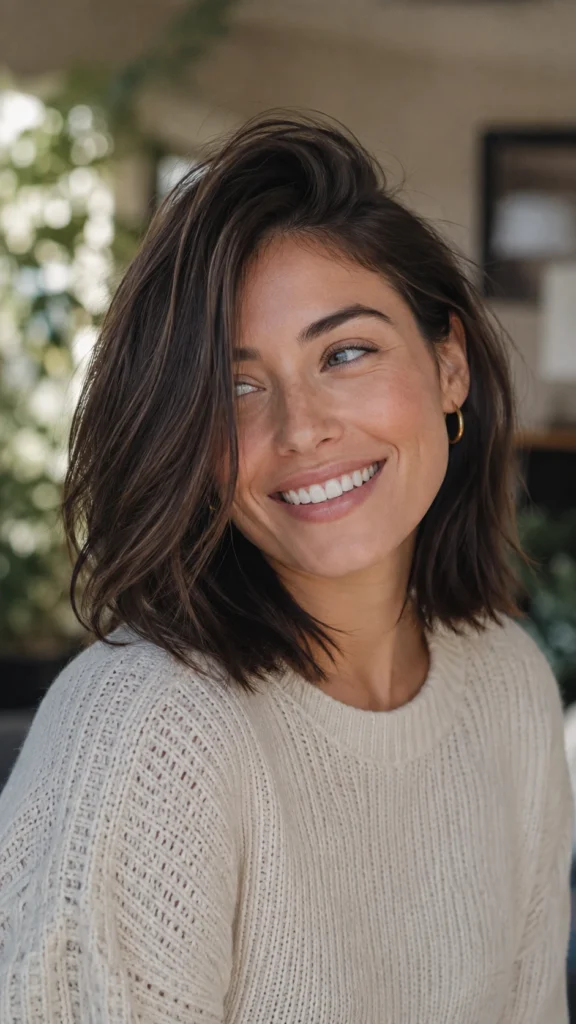
This one costs you nothing and takes zero extra time, which is exactly why I recommend it to almost every thin haired client who walks into my chair. Simply moving your part further to one side than you’re used to instantly creates lift and volume at the root, no scissors, no products, no fuss required.
One thing I always tell clients is to try switching your part to the opposite side entirely every few months. Hair that’s been trained into the same part for years tends to fall flatter over time, and a fresh part direction wakes the whole style back up.
It sounds almost too simple to work, but I promise it’s one of those tricks that genuinely does.
13. Angled Lob
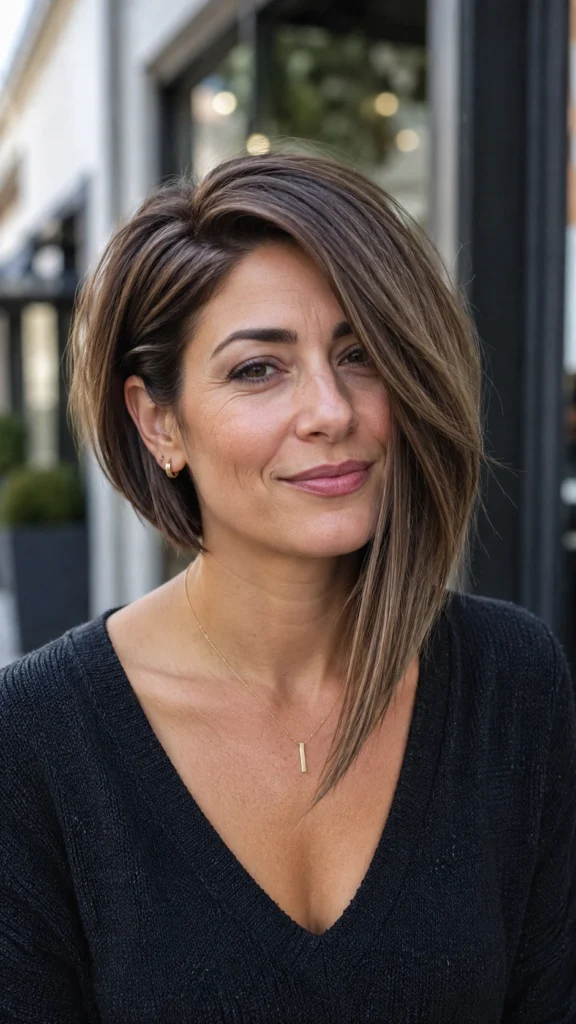
An angled lob takes the classic A line concept and makes it more dramatic, with a steeper diagonal that goes from noticeably short in the back to significantly longer in the front. On thin hair, this creates one of the strongest volume illusions on this entire list because the angle itself acts like a visual magnet, pulling the eye upward and outward instead of letting hair just hang there limply.
I’ve noticed this cut works especially well for clients who wear their hair in that lived in beachy texture rather than pin straight, since a little wave softens the sharpness of the angle without losing the shape.
14. Low Maintenance Wash And Go Lob
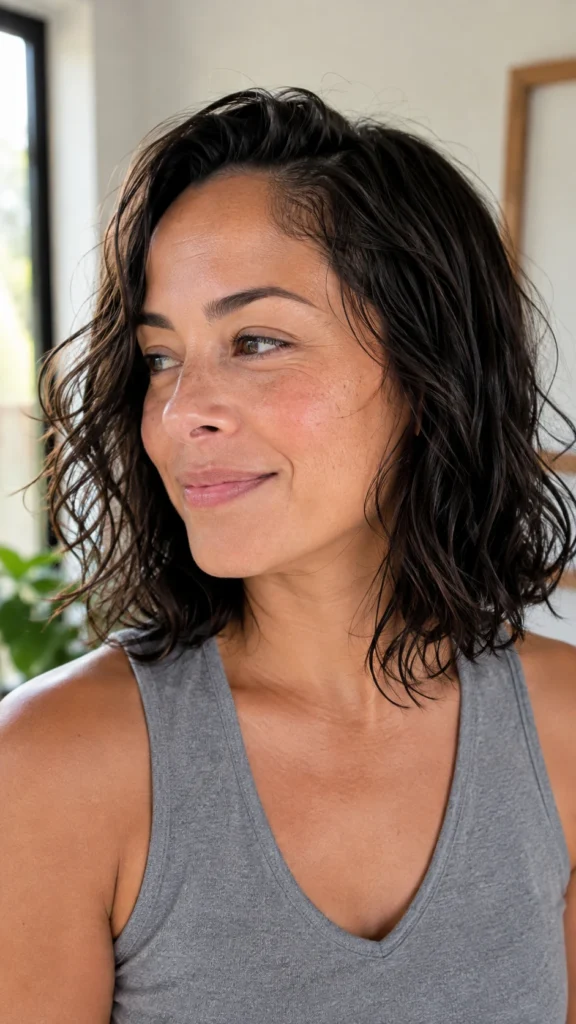
Not everyone wants a styling routine, and honestly, I respect that completely. For more easygoing options, these medium-length haircuts for thin, fine hair can also give you shape without demanding a complicated styling routine.This version of the lob is cut with just enough soft layering to fall naturally into place after air drying, no round brush, no diffuser, no fuss required most mornings.
The secret here is in the cutting technique, not the styling. Ask your stylist to remove weight through internal layers rather than at the very ends, which keeps the perimeter looking thick while still letting the hair move on its own.
A few things that make this style genuinely low effort:
- Works beautifully with texturizing spray on damp hair before it air dries
- Holds its shape for two to three days without needing a full restyle
- Forgiving on humid days since there’s less structure to fall apart
15. Voluminous Blowout Lob
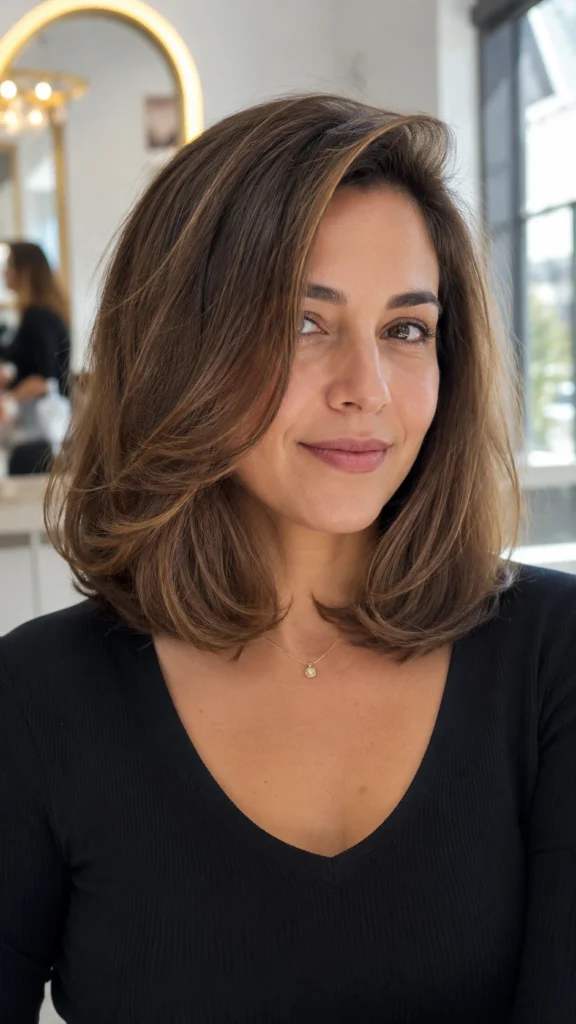
This isn’t really a different cut so much as a different way of wearing your existing lob, and I include it because it might be the single most requested style I do in the chair. A round brush blowout with the roots lifted and the ends rolled slightly under creates fullness that no cut alone can fully deliver.
We always start with a volumizing mousse at the roots before drying, then section the hair and work section by section with the round brush pulling straight up and away from the head. It takes maybe fifteen extra minutes compared to a regular blow dry, but the payoff in terms of how thick your hair looks all day is honestly worth it for special occasions or big meetings.
16. Lob For Thin Hair Over 50

Hair changes as we age, and thin hair especially tends to get finer around the crown and temples over time, which means the cuts that worked at thirty don’t always work the same way later. I always tell my clients in this stage that a slightly shorter lob, landing right around the collarbone or just above it, tends to look more youthful and full than length that drags the hair down.
Soft layers around the face help here too, especially since they draw attention upward rather than emphasizing thinning at the crown. One thing worth knowing honestly is that color plays a bigger role at this stage than cut alone. A few well placed highlights near the part line can visually fill in areas where density has naturally softened over the years, and it’s a combination I recommend to almost every client in this chapter of life.
Top 6 Lob Haircuts for Thin Hair
| Look / Item | Estimated Price | Care Level | Where to Buy |
|---|---|---|---|
| Blunt Lob | Under 80 dollars for a flat iron | Medium | Amazon |
| Wavy Lob | 25-45 dollars for a 1 inch curling iron | Medium | Amazon |
| Lob With Curtain Bangs | Under 30 dollars for a round brush | Low | Amazon |
| Textured Choppy Lob | 15-25 dollars for texturizing sea salt spray | Low | Amazon |
| Voluminous Blowout Lob | 20-40 dollars for volumizing mousse | High | Amazon |
| Low Maintenance Wash And Go Lob | Under 20 dollars for dry shampoo | Low | Amazon |
Your 60 Second Lob Picker
By Budget
Budget Friendly Picks
- Deep Side Part Lob, costs nothing, just repart and go
- Low Maintenance Wash And Go Lob, one texturizing spray under 20 dollars on Amazon
- Lob With Curtain Bangs, one round brush under 30 dollars on Amazon
Worth The Splurge
- Voluminous Blowout Lob, a good volumizing mousse and round brush set from Amazon
- Wavy Lob, a solid 1 inch curling iron from Amazon that actually holds
- Blunt Lob, frequent precision trims plus a quality flat iron
By Lifestyle
Busy Professionals
- Deep Side Part Lob or Low Maintenance Wash And Go Lob
- Both need zero extra morning minutes
Hot Humid Weather
- Textured Choppy Lob or Wavy Lob
- Sea salt spray from Amazon works with the humidity instead of against it
New Moms
- Lob With Curtain Bangs or Deep Side Part Lob
- Fast, forgiving, grows out gracefully between salon visits
Weekend Casual
- Wavy Lob or Textured Choppy Lob
- Effortless, undone, zero pressure styling
Special Occasions
- Voluminous Blowout Lob or Lob For Thin Hair Over 50 with highlights
- Worth the extra fifteen minutes when it counts
Frequently Asked Questions
Does a lob make thin hair look thicker?
Yes, absolutely, especially when the length stays right around or above the collarbone. Keeping hair from growing too long is the single biggest factor here, since extra length pulls hair down and makes it look thinner no matter how good the cut is.
What is the best lob length for fine thin hair?
I usually recommend landing right at the collarbone or just above it. Any longer and the natural weight of gravity starts working against you, thinning out those ends exactly where you don’t want it.
Should I get layers if I have thin hair?
Yes, but only soft, long layers that start well below the chin. Short choppy layers stacked too close together will actually make thin hair look patchier instead of fuller, so tell your stylist to keep things minimal and long.
How often should I trim a lob for thin hair?
Every six to eight weeks keeps most lob shapes looking sharp and intentional. Blunt cuts especially need this schedule since split ends show up faster and make the whole style look tired.
What haircut makes thin hair look the fullest?
A blunt lob with a deep side part is my go to combination for instant fullness. The uniform blunt edge holds thickness at the ends while the deep part builds natural lift at the root, and together they do most of the visual work for you.
Conclusion:
Here’s the thing about thin hair that took me years in the chair to really understand. It was never about having less, it was about working with what you’ve got instead of fighting it every single morning. Whichever lob speaks to you from this list, print out that photo and bring it straight to your next appointment, because that one conversation with your stylist could genuinely change how you feel every time you catch your reflection. Your hair does not need to be thick to look full, it just needs the right shape doing the work for you. So tell me, which one of these are you walking into the salon with first?

5 thoughts on “16 Lob Haircuts for Thin Hair That Create Instant Volume”