Fine hair has a way of going flat by 10 a.m. no matter how much product you dump on it, and I have watched more clients cry over limp roots than almost anything else in my chair. Here is what actually fixed it for most of them: the right shag. Not the razored, overly thinned version that leaves you stringy by lunch, but a smarter cut built around your actual strand type. In this guide I am walking you through nine medium length shag styles that genuinely add volume, plus the honest details your stylist probably will not mention.
My Styling Notes
I had a client, Renee, who moved from Chicago to Charleston and walked into my chair asking for the exact razored shag she had been wearing for years. Three weeks later she called me almost in tears because the humidity had turned her sleek pieceyy ends into a frizzy halo she did not recognize. I brought her back in and we tried something different. Instead of razoring her ends again, I point cut them to remove weight without shredding the strand, and I swapped her dry texture spray for a lightweight cream that actually holds up in that Lowcountry air. The change was almost instant. Her hair still had movement and shape, but none of the frizz she was fighting daily. That appointment taught me something I now tell every fine haired client. The cut matters, but the technique behind it and the climate you live in matter just as much.
9 Effortless Shag Cuts That Bring Instant Volume to Fine Medium Hair
1. Classic Layered Shag With Curtain Bangs

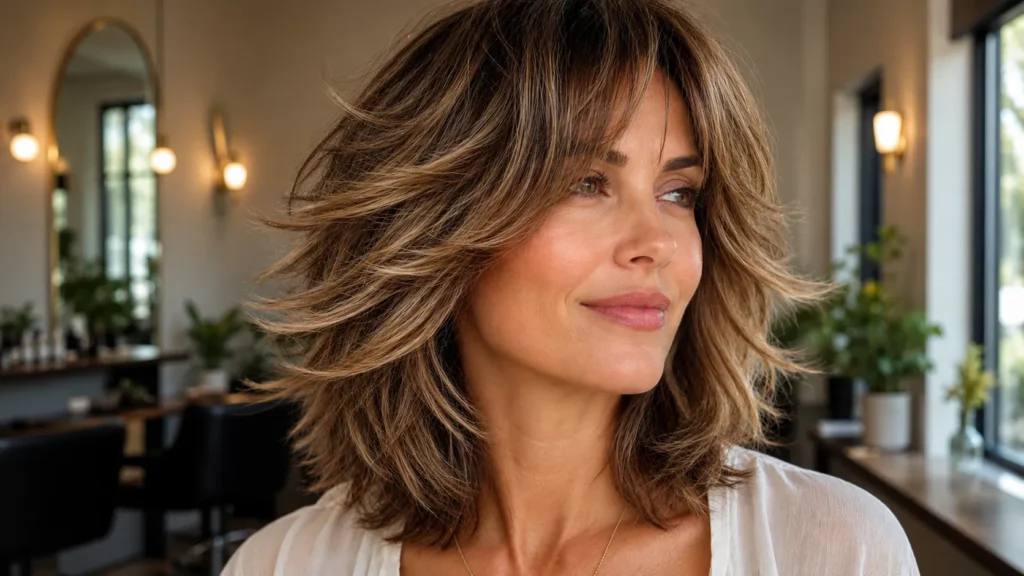
This is the one everyone walks in asking for by name, and honestly, it deserves the hype. The layers hit through the crown and mid section, which is exactly where fine hair needs help the most, and the curtain bangs frame your face without adding weight anywhere it does not belong.
Here is the part nobody tells you upfront. A shag this detailed usually runs anywhere from 65 to 90 dollars at a solid mid range salon, and closer to 150 or more if you are adding color at a high end studio. If you want the cut without blowing your budget, book with a senior stylist in training or ask for a junior stylist supervised appointment. Many salons offer this at half price and the skill level is still excellent.
One thing I always tell my clients before they sit down is to say the words point cut, not razor cut, when they describe what they want. That single sentence changes the entire outcome for fine strands.
2. Face Framing Feathered Shag
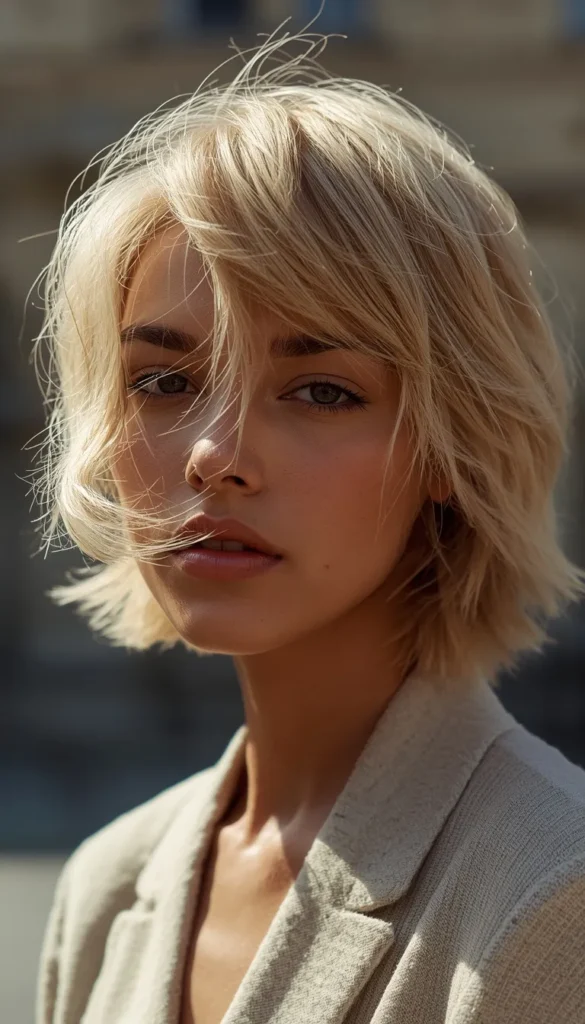
I mentioned Renee earlier, my Charleston client who learned the hard way that razoring can turn fine hair into a frizzy mess in humid weather. This feathered version is basically the fix we landed on, and it has become one of my most requested cuts since.
The feathering happens through the mid lengths instead of the very ends, so you keep length and softness without sacrificing shape. It photographs beautifully and it moves even more beautifully in real life.
- Ask for feathering at the cheekbone and jaw level, not throughout the whole head
- Request that the stylist leave slightly more weight at the perimeter
- Skip heavy oils, a lightweight cream serum works far better here
3. Low Maintenance Blunt Ended Shag
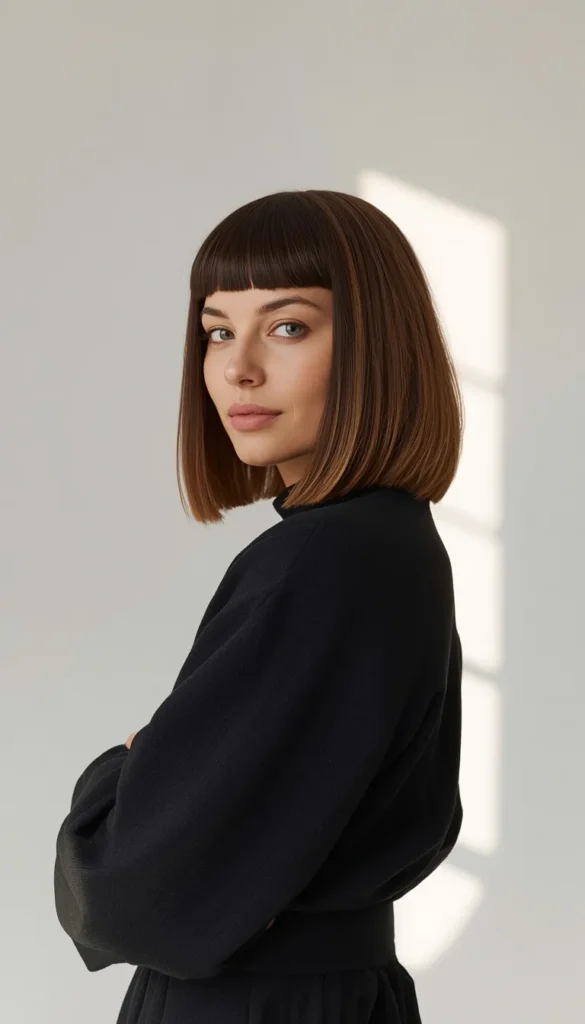
Not every client wants to spend twenty minutes styling before coffee, and I get it completely. This version keeps the shaggy shape up top but finishes with blunter ends instead of the heavily thinned look, which genuinely means fewer split ends and longer stretches between salon visits.
I have clients who come in every eight weeks instead of five with this cut, and their hair still looks intentional the whole time in between. It is proof that a shag does not have to be high effort to look high impact.
4. Wavy Beachy Shag

If you live somewhere humid, this cut works with your climate instead of against it. The layers let natural texture separate into loose waves rather than clumping into a frizzy triangle, which is the number one complaint I hear from fine haired clients in the South.
For anyone in a drier climate like Denver or Phoenix, the same cut behaves a little differently. Your hair will need slightly more product to fake the wave pattern since there is less moisture in the air doing the work for you.
A quick trick I have learned after years of humid summer appointments is to tell clients to scrunch a salt spray into damp hair and let it air dry at least halfway before touching it with any hot tool. Touching wet fine hair too early with a wand almost always kills the wave before it even forms.
Which one of these nine shag styles are you taking to your stylist first?
5. Side Swept Bang Shag For Growing Out A Bob

This is the rescue cut for anyone stuck in that awkward stage between a bob and longer hair, and I promise you are not alone in that struggle. The shag shape gives you somewhere to put all that growing out length instead of letting it sit there shapeless and sad.
Side swept bangs are the real hero here. They soften the whole face, they are far more forgiving than a straight across fringe, and you can tuck them behind your ear on days you just do not feel like dealing with bangs at all.
- Ask your stylist to blend the bang line into the layers rather than cutting it as a separate section
- Keep the length just past your cheekbone so it stays versatile
- Use a small amount of pomade on dry days to keep flyaways controlled
6. Money Piece Highlighted Shag
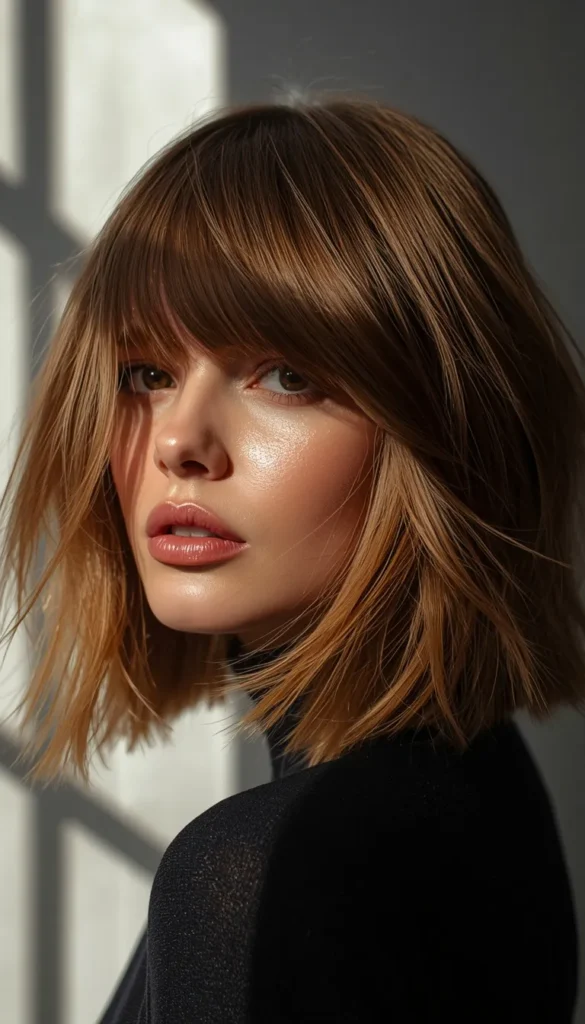
Color can do almost as much heavy lifting as the cut itself, and this is where I see clients get the most dramatic before and after without touching much length at all. A money piece, meaning a few brightened pieces right at the face, creates contrast that tricks the eye into seeing more depth and more layers than are technically there.
I always tell clients this is one of the most budget friendly ways to refresh a shag between full color appointments, since you are only touching up a small section instead of a full head.
Top 6 shag hairstyles for medium length thin fine hair
| Look / Item | Estimated Price | Care Level | Where to Buy |
|---|---|---|---|
| Classic Layered Shag with Curtain Bangs | 65 to 150 dollars | Medium | Root lift mousse on Amazon |
| Wavy Beachy Shag | 60 to 120 dollars | Medium | Salt texture spray on Amazon |
| Money Piece Highlighted Shag | Under 80 dollars for touch up | Low | Purple shampoo on Amazon |
| Sleek Glass Finish Shag | 70 to 140 dollars | High | Frizz taming serum on Amazon |
| Curly or Wavy Texture Shag | 60 to 100 dollars | Low | Diffuser attachment on Amazon |
| Shorter Chin to Collarbone Shag | 55 to 90 dollars | Low | Volumizing root spray on Amazon |
7. Sleek Glass Finish Shag
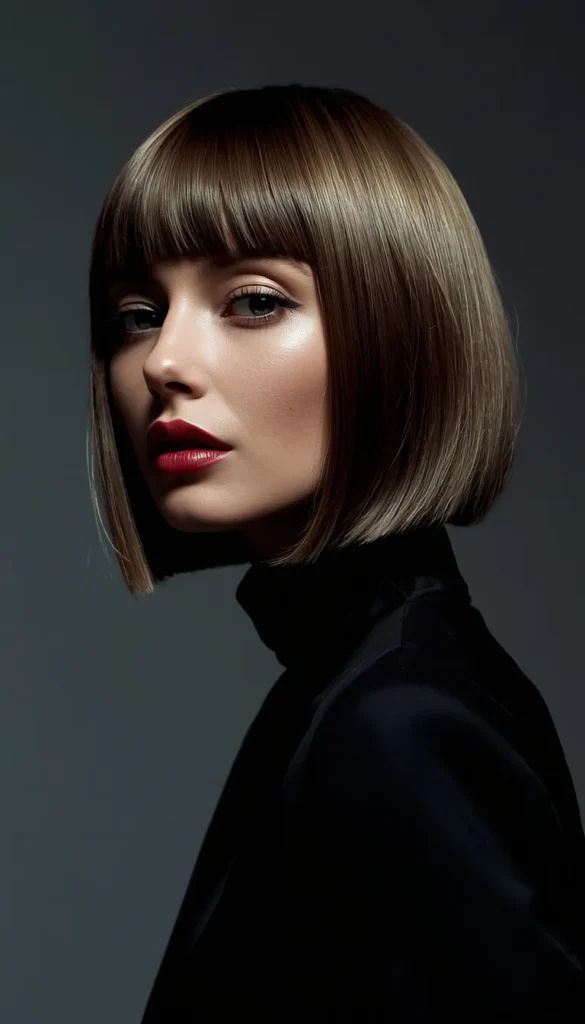
I know what you are thinking, a sleek polished look sounds like the opposite of a shaggy cut, but stay with me. This version keeps every bit of the shape and movement underneath while the surface gets smoothed with a light flat iron pass and a frizz taming serum. It photographs like something out of an editorial spread, and it holds up surprisingly well in cooler, drier months.
This one goes back to what happened with Renee too. Once we fixed her ends with point cutting instead of razoring, a sleek finish actually became possible for her hair in a way it never was before, since there were no rough, frizzy pieces fighting against the flat iron.
We laugh about it now, but that appointment genuinely changed how I approach every fine haired client who says they want something polished. Technique first, style second, always.
8. Curly Or Wavy Texture Shag
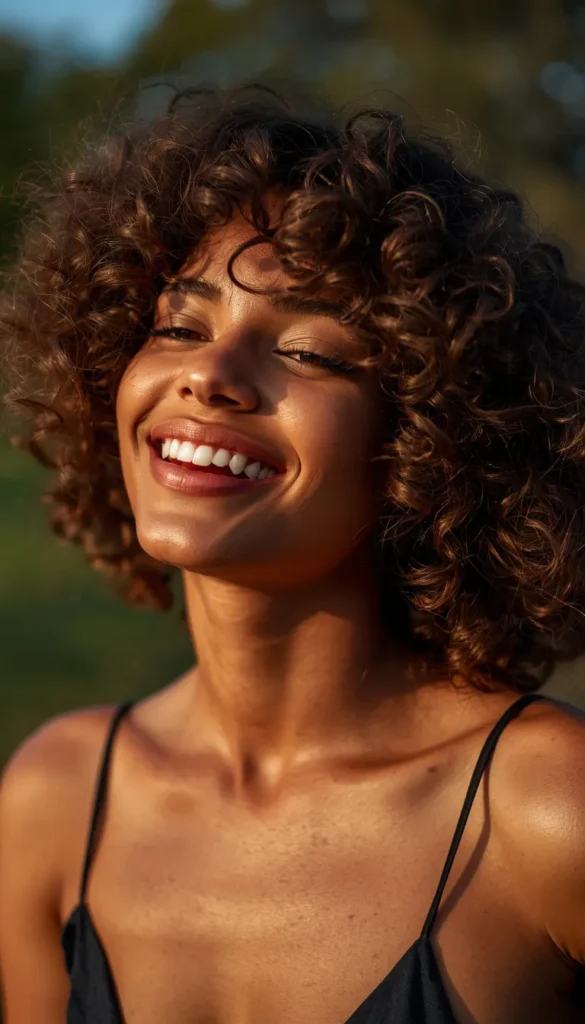
Curly and wavy girls with fine hair often get told a shag will not work for them, and I want to correct that right now because it absolutely can. The layers keep curls from clumping into one heavy chunk at the bottom, which is usually what makes fine curly hair look thin and stringy instead of full.
Diffusing is your best friend with this cut. A little curl cream, a diffuser on low heat, and you are done in under fifteen minutes most mornings.
One thing worth knowing if you live somewhere with real winters, cold dry air pulls moisture out of curls fast, so you may need a slightly richer cream in January than you did in July. Small seasonal swaps like that keep the shape looking consistent all year instead of fighting frizz every time the weather shifts.
Out of all these options, which one actually fits your style and your budget best?
9. Shorter Chin To Collarbone Shag
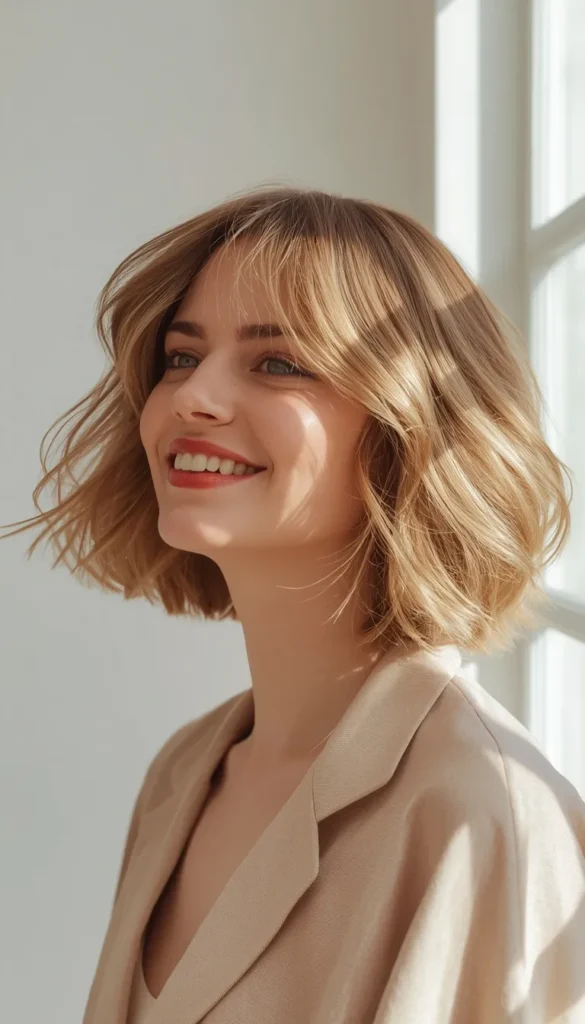
This is the version I recommend when a client tells me they want maximum volume and they want it now. Shorter lengths mean less weight pulling down on fine strands, so the layers can actually do their job instead of getting flattened out by gravity before noon.
It sits right around the chin to collarbone area, which happens to be one of the most universally flattering lengths out there. Round faces get elongated, square jaws get softened, and almost every hair texture responds well to it since there is simply less hair for the layers to fight against.
- If you are nervous about going shorter, ask your stylist to cut two inches above your goal length first and reassess
- Blunt slightly at the very ends if you want a fuller looking finish instead of a wispy one
- A root lifting mousse applied to damp hair before blow drying makes the biggest difference here, more than almost any other product step
I will be honest, this is also the lowest maintenance option on this entire list. Trims every six to eight weeks keep the shape sharp, and most mornings all it needs is a quick flip with a round brush or even just finger drying with a little texture spray scrunched through. If you have been putting off a big chop because you are scared of commitment, this length is forgiving enough to grow out gracefully too, so it is a genuinely low risk way to finally get the volume your fine hair has been begging for.
Your 60 Second Shag Picker
Budget Friendly Picks
- Shorter Chin to Collarbone Shag, low upkeep and easy on your wallet
- Curly or Wavy Texture Shag, minimal product needed
- Money Piece Highlighted Shag, small touch ups instead of full color
Worth The Splurge
- Classic Layered Shag with Curtain Bangs, precision cutting is worth paying for
- Sleek Glass Finish Shag, needs a skilled hand for that polished look
Busy Professionals
- Shorter Chin to Collarbone Shag or Low Maintenance Blunt Ended Shag, both dry fast and style in minutes
Hot Humid Weather
- Wavy Beachy Shag or Curly Texture Shag, work with your natural texture instead of against it
Cold Dry Climates
- Sleek Glass Finish Shag, holds up beautifully once winter static kicks in
Weekend Casual
- Side Swept Bang Shag, effortless and easy to tuck away on lazy mornings
Growing Out A Bob
- Side Swept Bang Shag For Growing Out A Bob, built exactly for this transition
For products to keep any of these looking fresh between salon visits, a good root lifting mousse and a lightweight texture spray from Amazon cover almost every scenario on this list.
Frequently Asked Questions
Does a shag haircut work for very fine thin hair?
Yes, and it is actually one of the best cuts for that hair type. The layers remove weight strategically instead of all at once, which creates the illusion of density that a one length cut simply cannot give you.
How often do I need to trim a shag to keep its shape?
I usually recommend every six to eight weeks for medium length shags, and closer to five weeks if you went shorter. Skipping trims lets the layers grow out unevenly and the whole shape starts to lose its definition.
Will a shag make my hair look thinner or thicker?
The best option is a point cut shag rather than a heavily razored one, since razoring can actually thin out already fine strands even more. Done correctly, layers create movement and volume instead of stripping density.
Can I get a shag if I have curly or wavy hair?
Absolutely, curls respond really well to this cut. The layering keeps curls from clumping into one heavy section at the bottom, so each curl gets room to bounce and show its shape.
What is the difference between a shag and just adding layers?
A shag is a full haircut built entirely around short, choppy layering starting near the crown, while regular layers are usually added onto an existing cut for shape. Think of a shag as the whole outfit and layers as an accessory.
Conclusion
Fine hair has been holding you back for way too long, and honestly, it does not have to anymore. One good cut, the right technique behind it, and a couple of small product swaps can completely change how your hair moves and how you feel walking out the door every morning. So book that consultation, screenshot the style that spoke to you most, and walk in asking for a point cut instead of a razor cut. Your hair will thank you and so will your mirror.

1 thought on “9 Shag Hairstyles for Medium Length Thin Fine Hair That Add Volume”