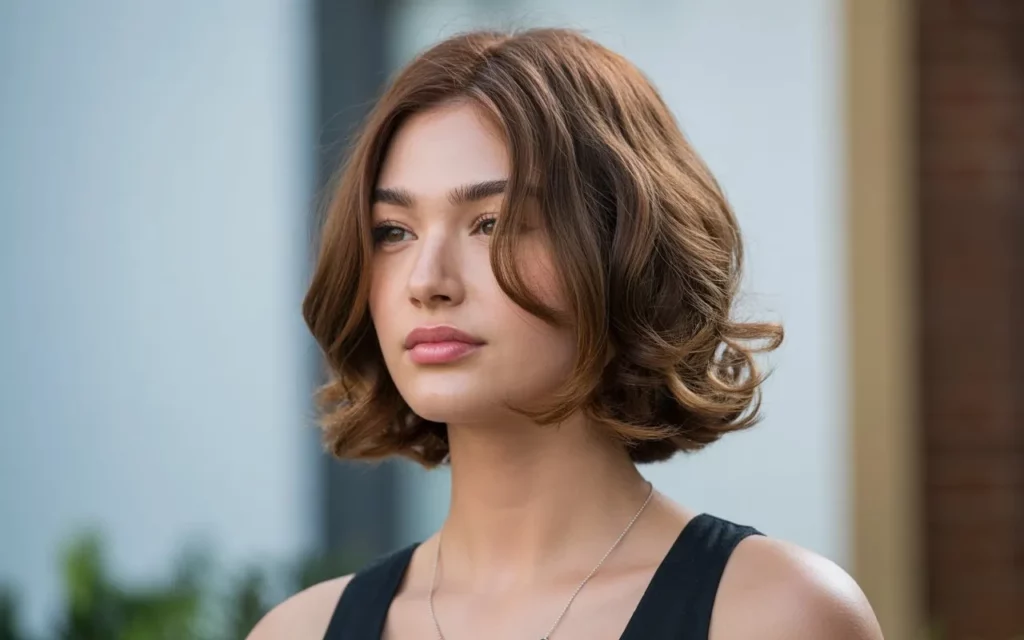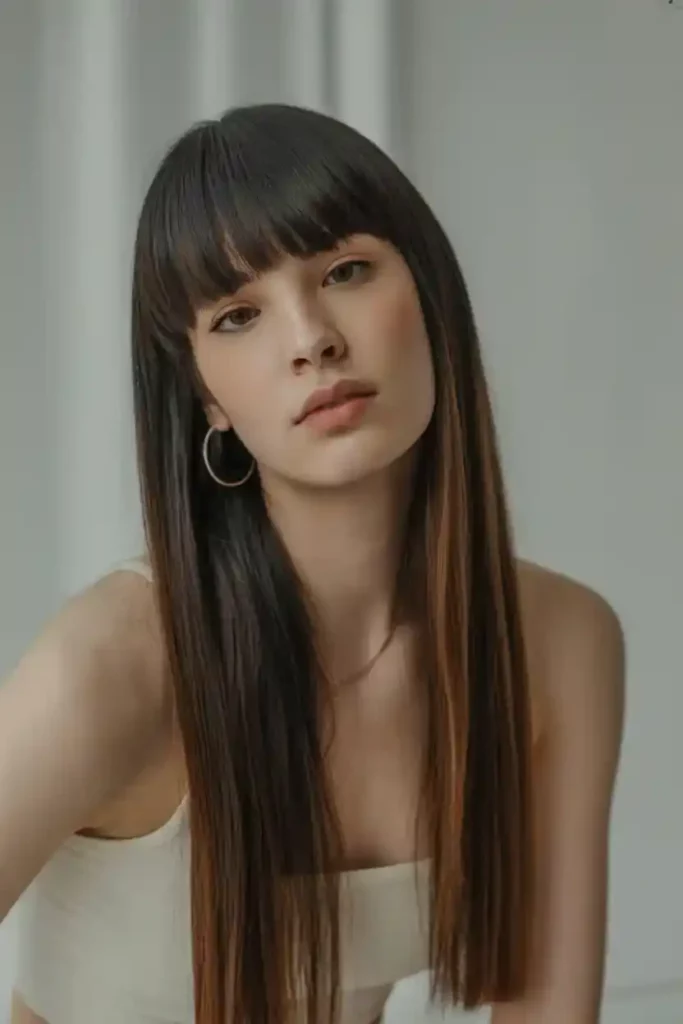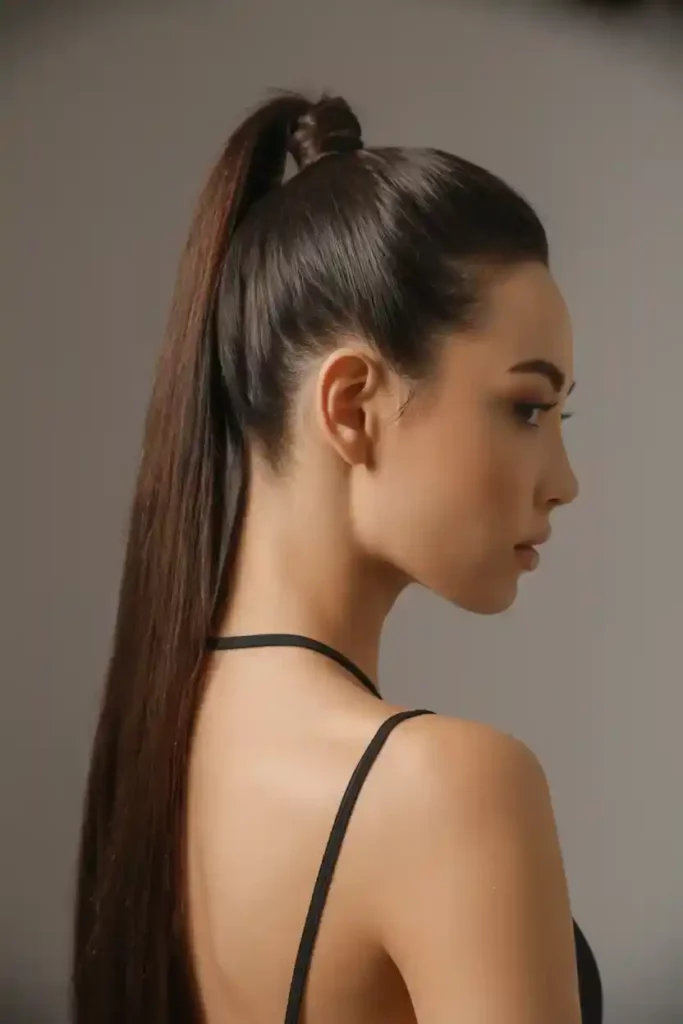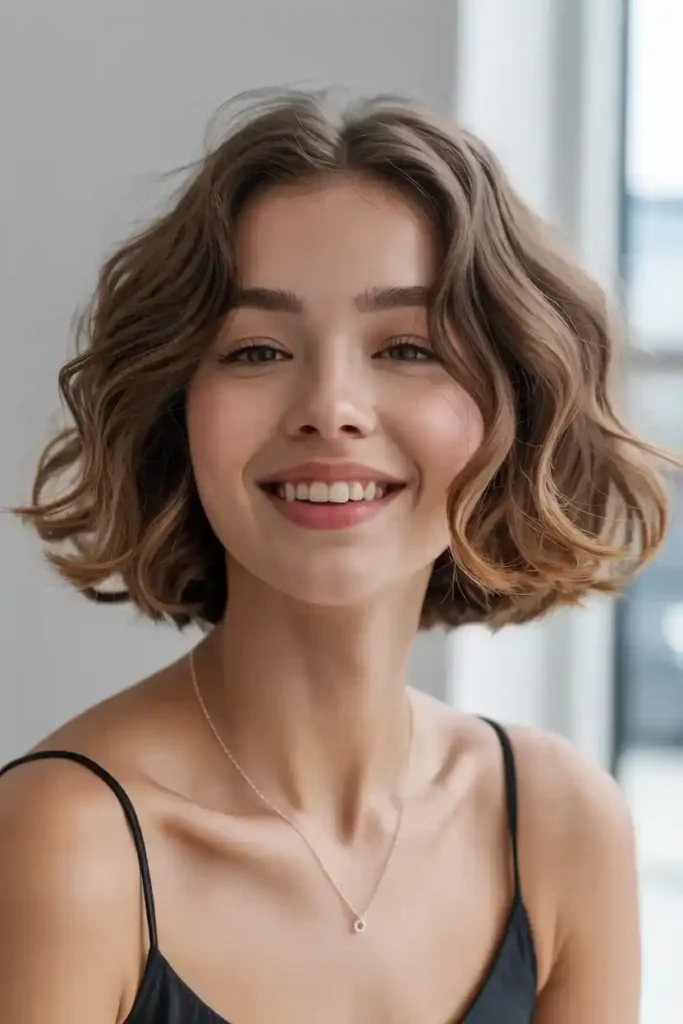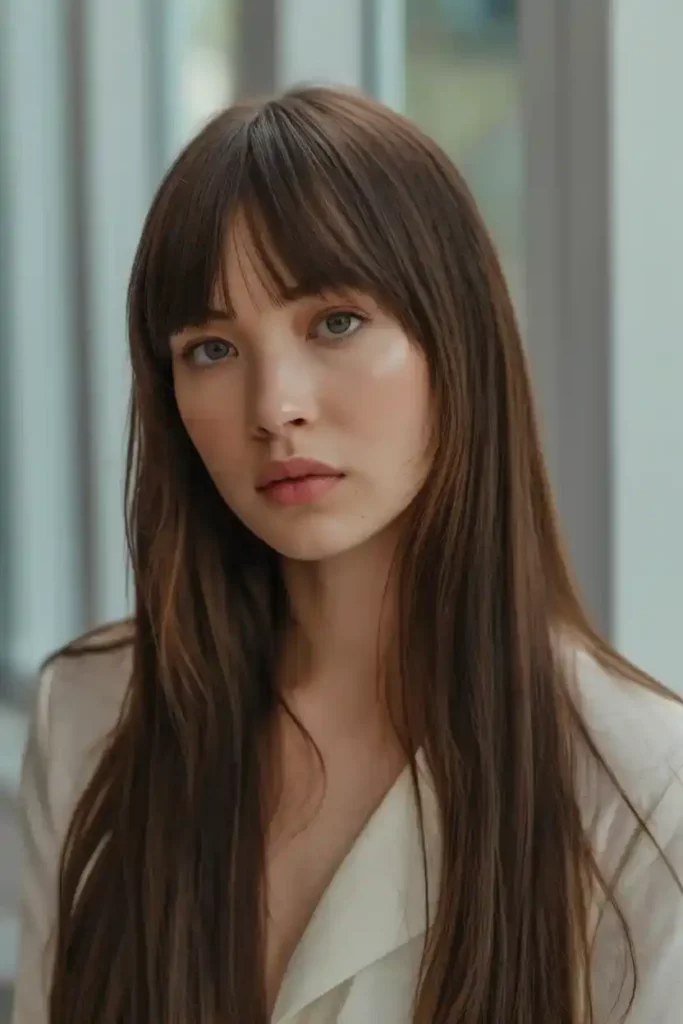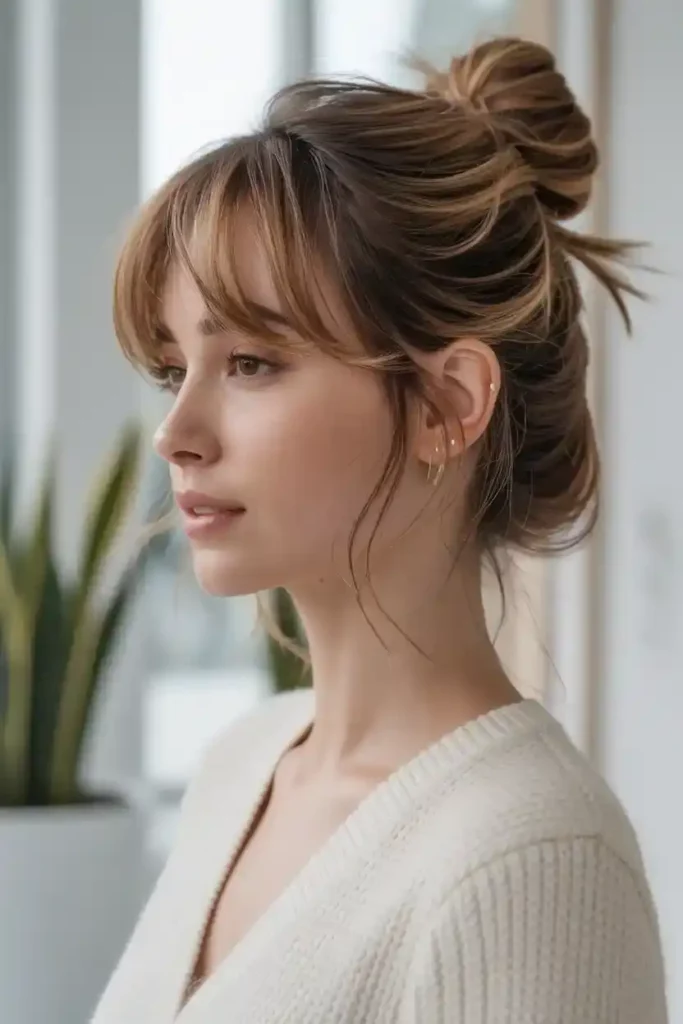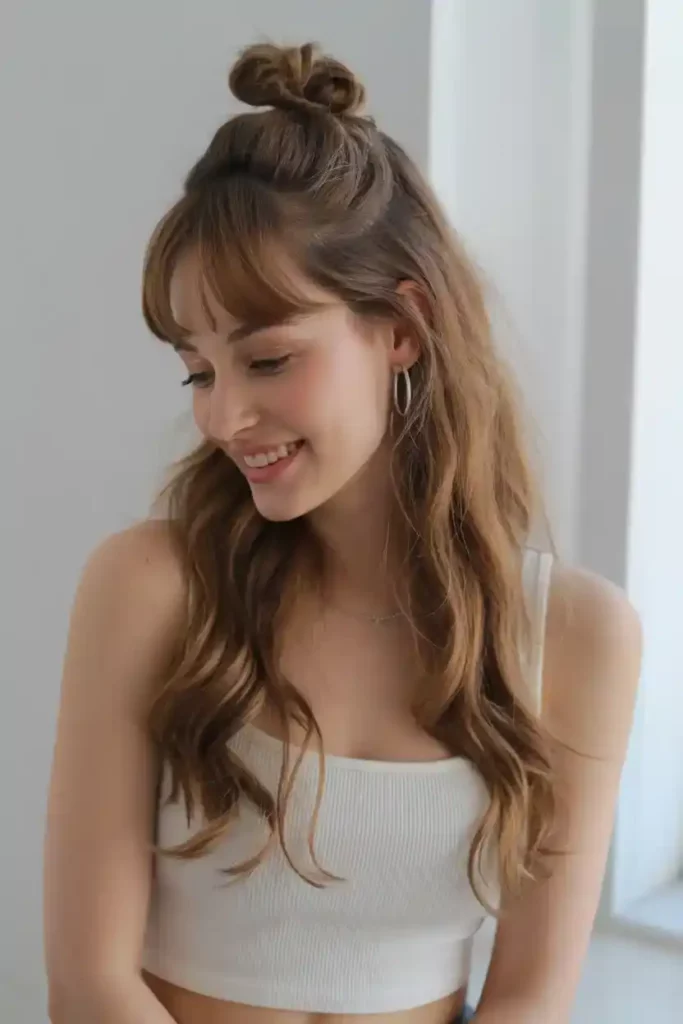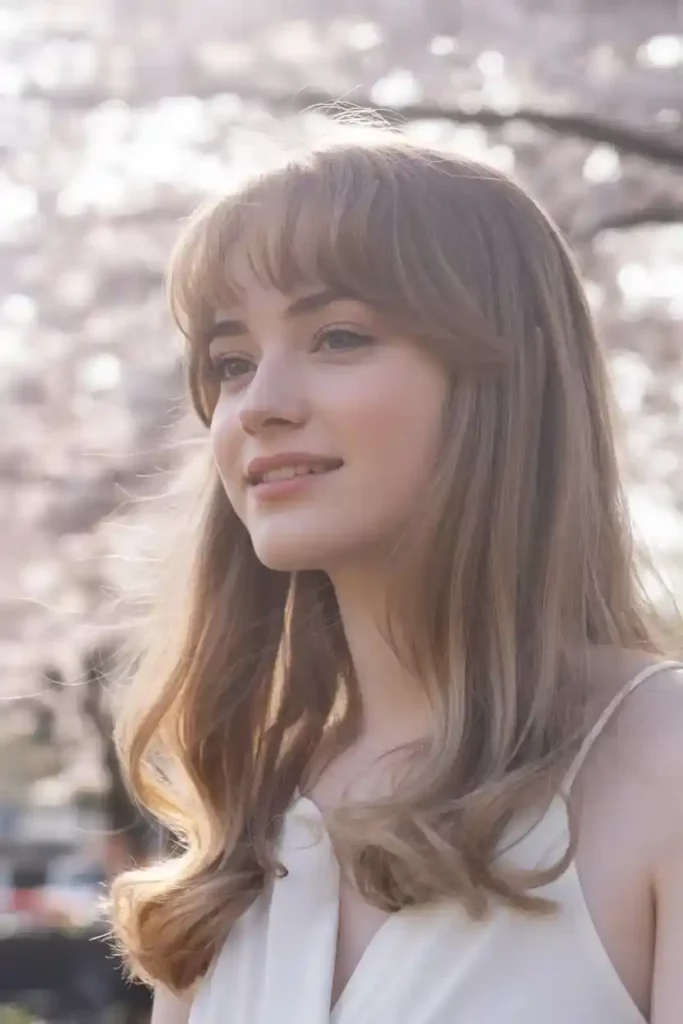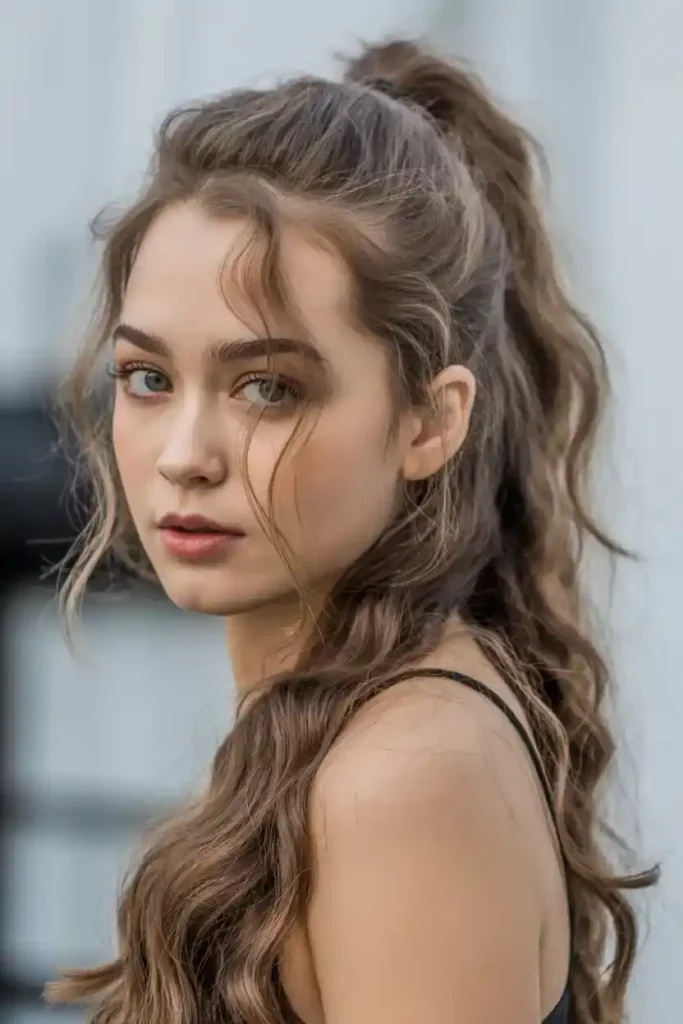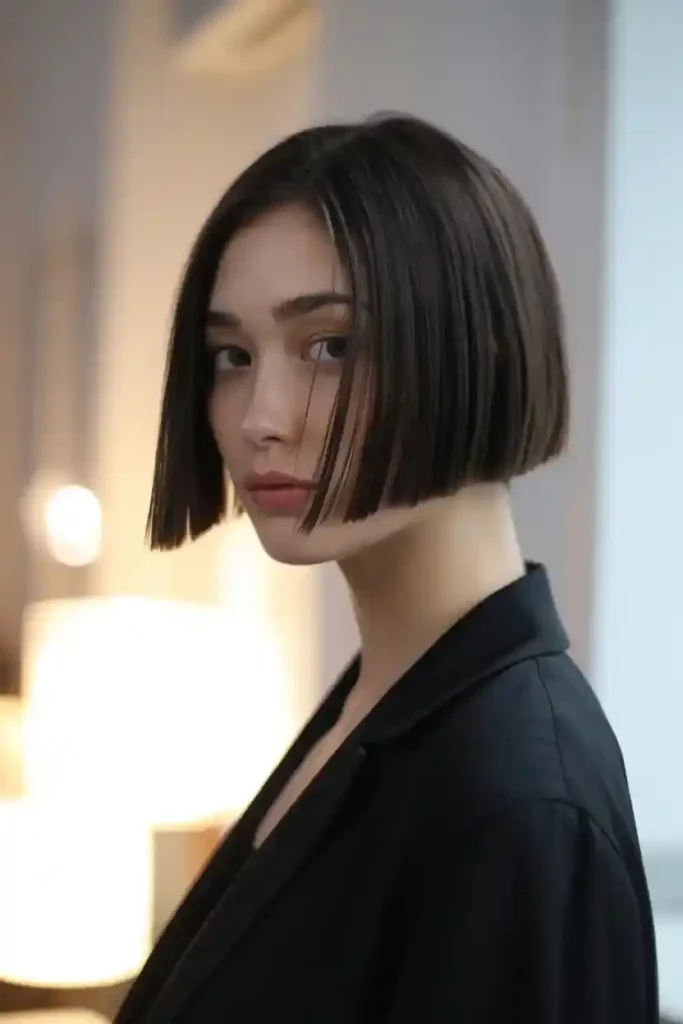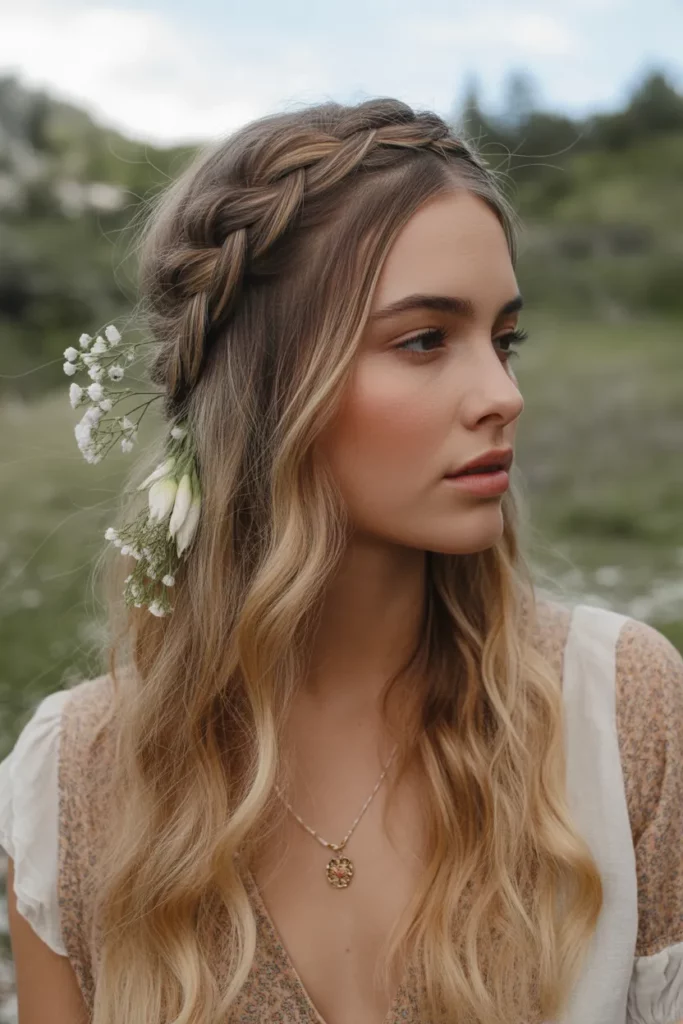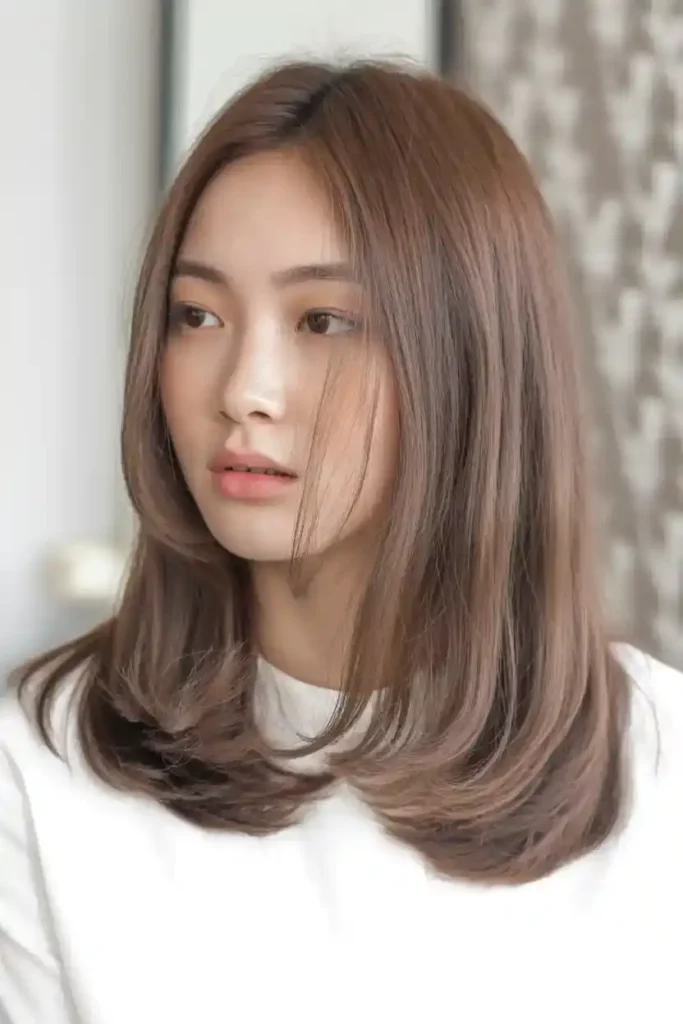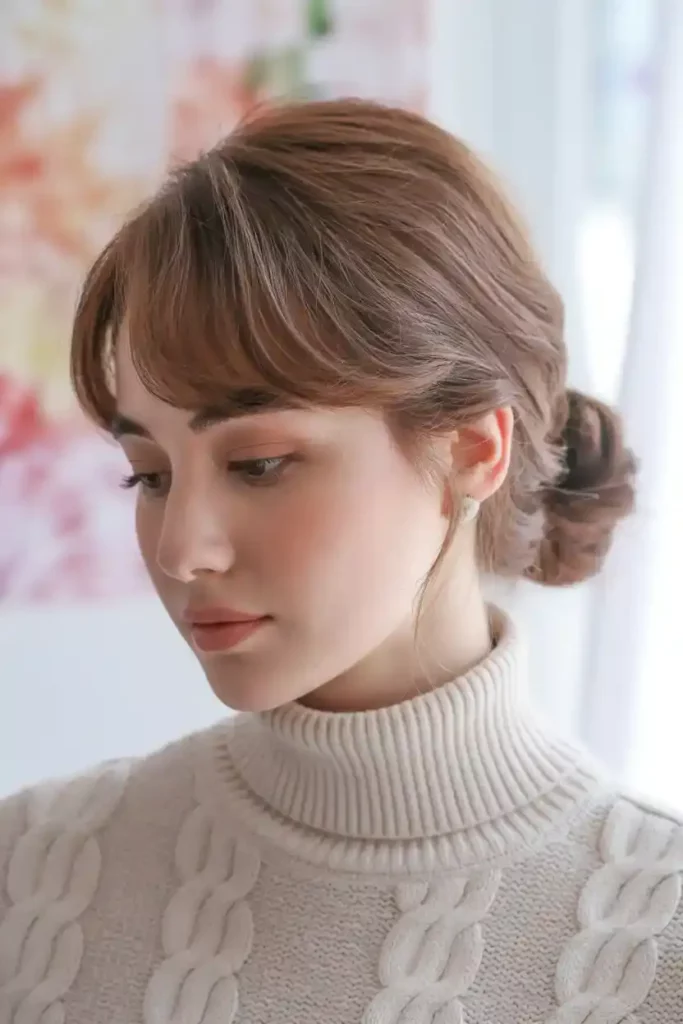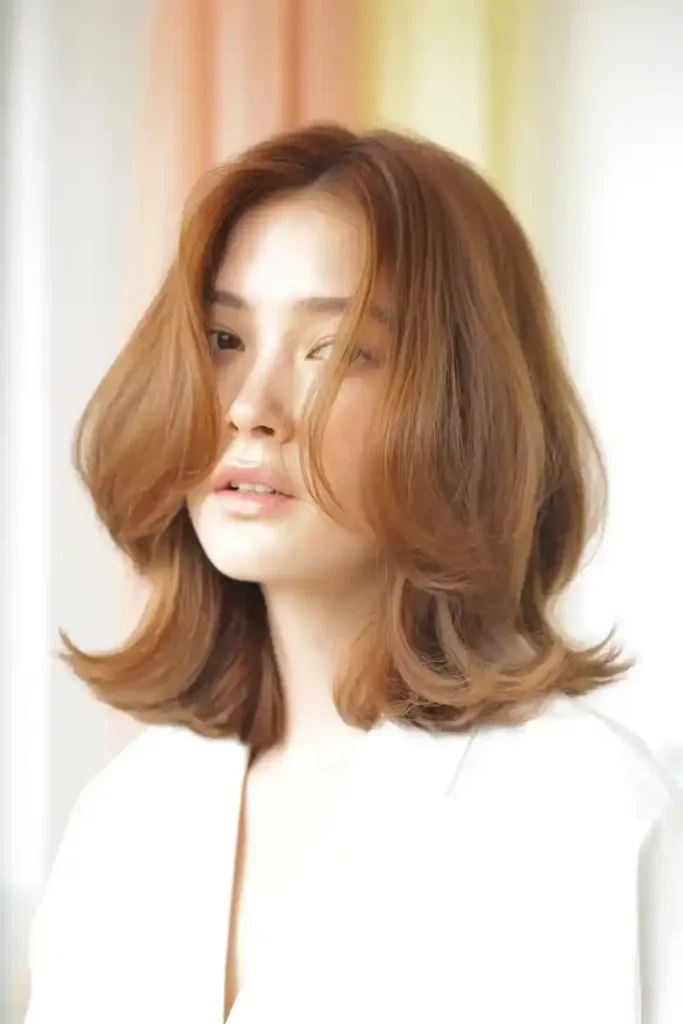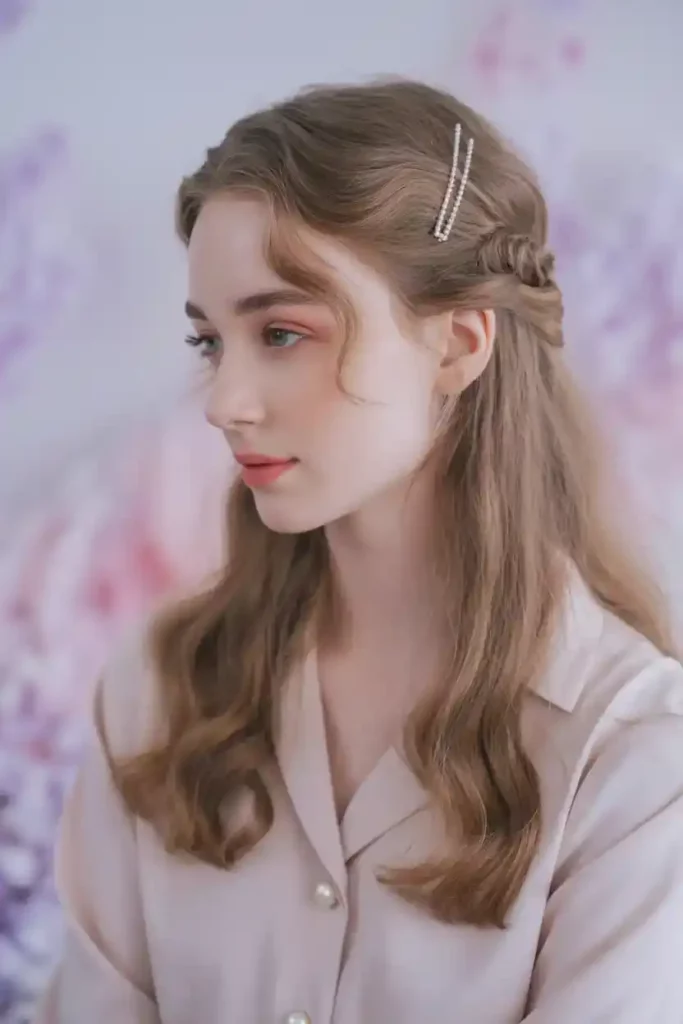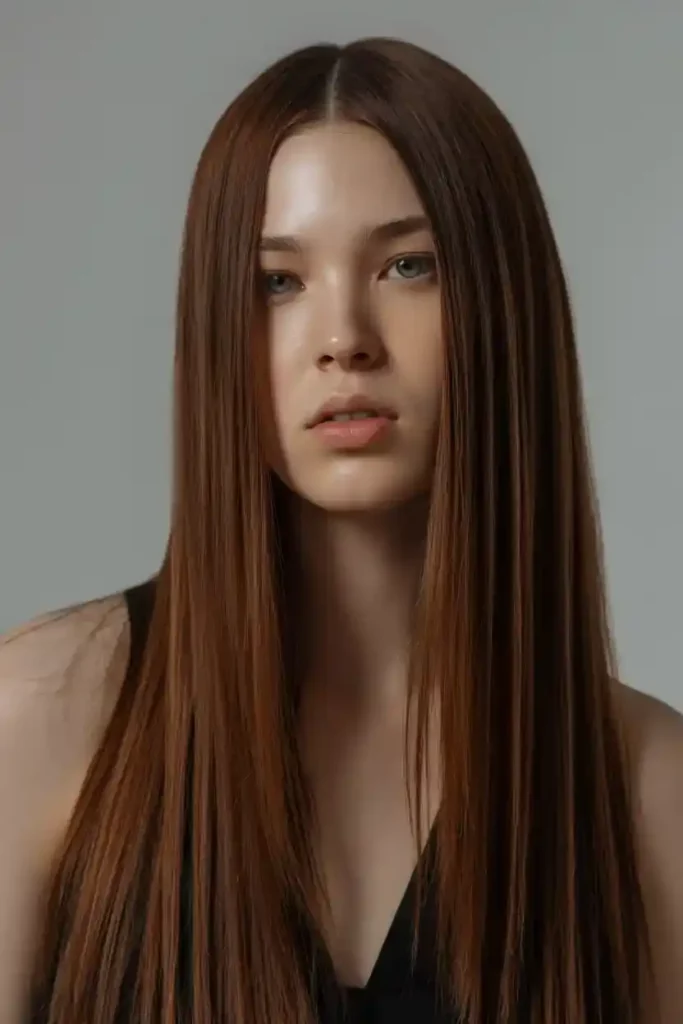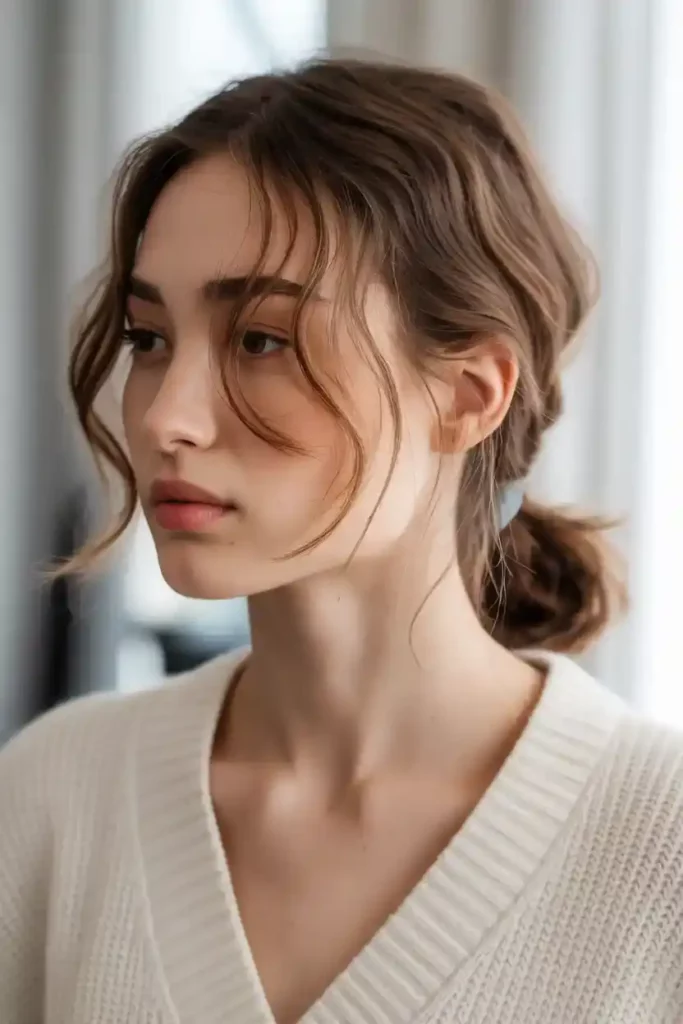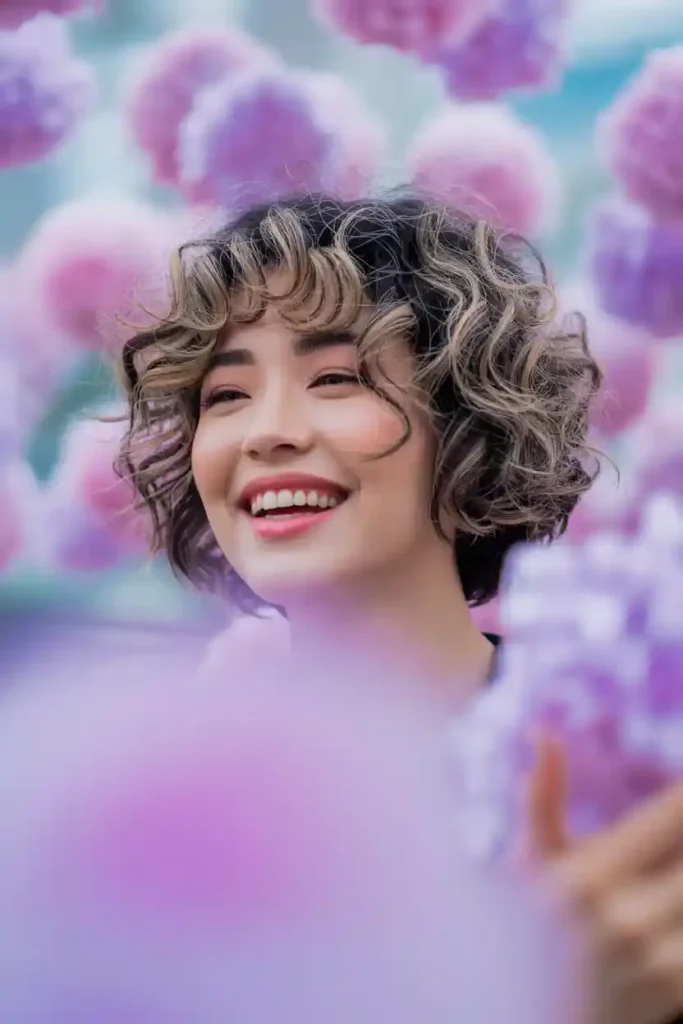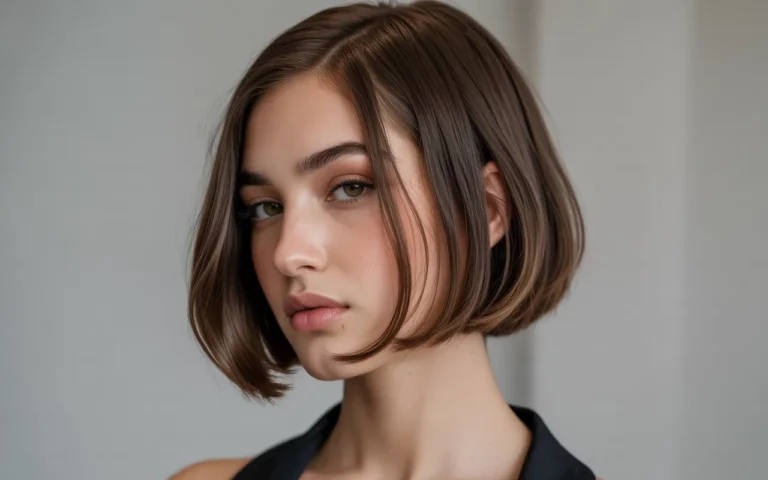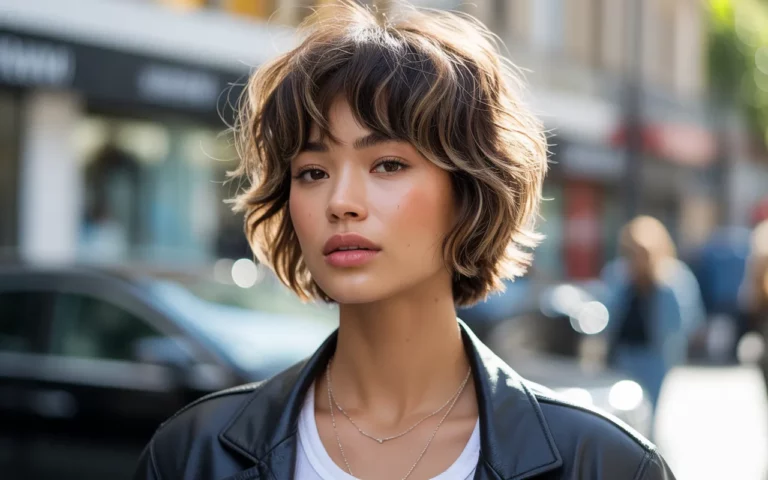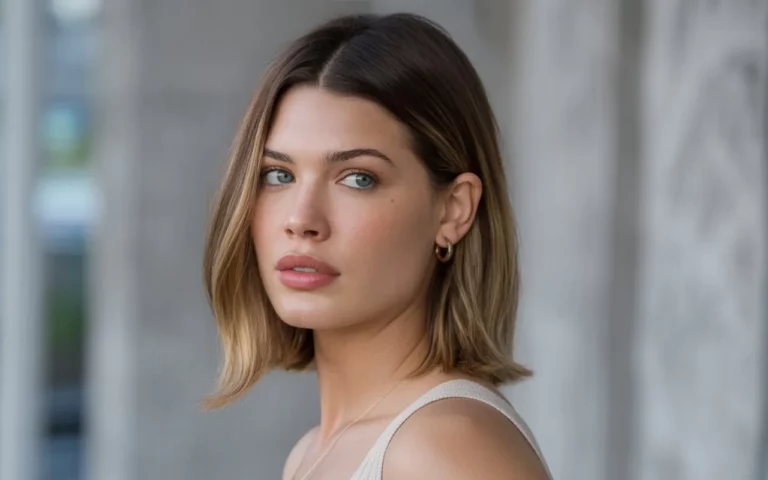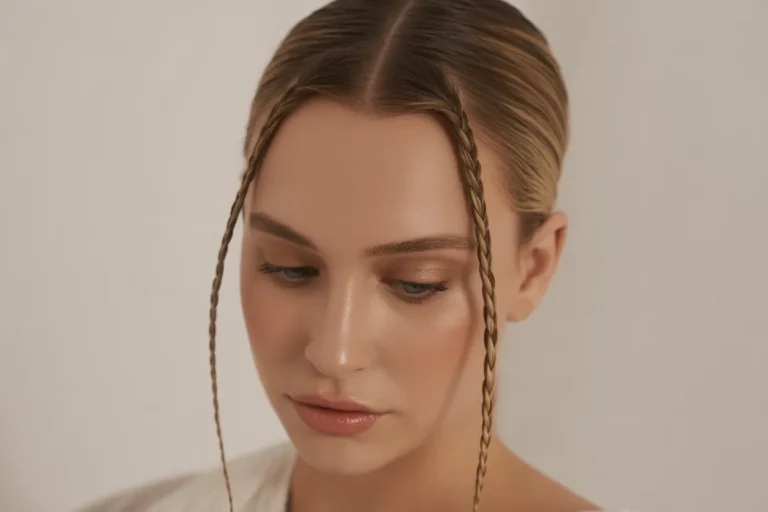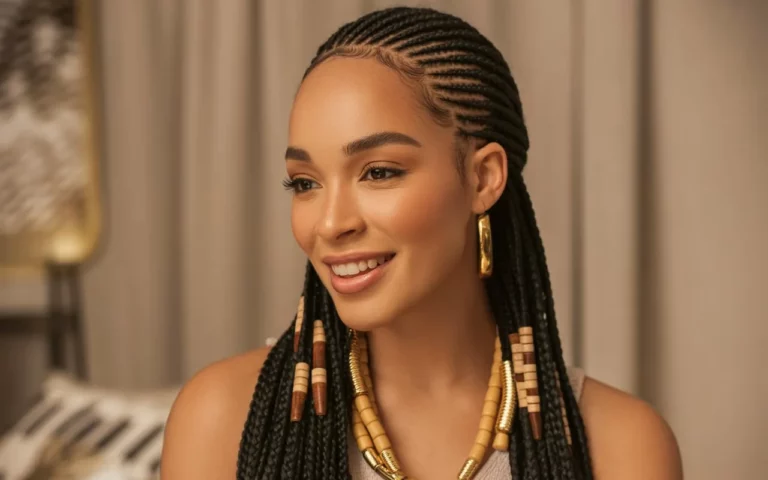
Korean hairstyles for women are behind half the K-drama screenshots my clients bring in before they even say hello. And I get it: those cuts and colors look effortless yet expensive. But the same haircut can behave completely differently depending on your hair’s texture, and that’s where expectations often fall short. After years of adapting these looks for clients in American salons, I’ve put together the guide I wish everyone could read before their appointment.
My Styling Notes
I’ll never forget the client who brought me a screenshot of her favorite actress rocking that soft, wispy hush cut, hair so fine it practically floated. My client had thick, wavy, color treated hair, the total opposite texture. I got excited and went for it anyway, just adjusted the layering to work with what she had instead of against it. She loved it walking out of my chair. Then she came back six weeks later a little frustrated, saying it just wasn’t “swooping” the way it did in the photo. That’s when I realized I’d sold her the cut but never explained the styling routine behind it, the blow dry technique, the brush, the product order that makes that effortless look actually happen. Now I always tell clients upfront, we’re not just choosing a shape, we’re choosing a whole morning routine too. It changed how I consult with every single person who sits in my chair.
20 Effortless Korean Hairstyles Every American Woman Should Master
1. Why Korean Hairstyles Are Having A Moment In The US
There’s a reason your For You page is suddenly full of glass hair, soft waves, and haircuts that somehow look like zero effort went into them. Korean beauty and hair culture has this incredible way of making polish look effortless, and American women are craving exactly that right now. We’re tired of high maintenance routines that eat up our mornings. What Korean hairstyles offer is something different: shape and texture that do most of the work for you once they’re cut right. It’s not really about copying an aesthetic wholesale. It’s about borrowing the parts that make hair look expensive without the two hour styling session.
2. Know This First, Korean Hair Vs American Hair
Before we go any further, I need to be honest with you about something most articles skip completely. Korean hair, on average, tends to be finer, straighter, and lower in porosity than a lot of American hair textures. That matters more than you’d think.
A few things this affects right away:
- How a perm actually holds and curls
- How quickly a blowout style falls or lasts
- How heavy layers read on your head versus theirs
One thing I always tell my clients is that a cut isn’t a costume you put on, it’s a collaboration with what your hair is already doing. So when you bring me a photo, we’re not copying it exactly, we’re translating it for your texture. That’s the whole game, and honestly, it’s the difference between loving your new cut and feeling like you got scammed.
Which one of these Korean hairstyles are you already picturing on yourself?
3. Short Korean Hairstyles For Women
Short hair is having a real renaissance thanks to Korean influence, and I am so here for it. The Korean pixie is sharper and more face revealing than the soft, feathery American pixie we’re used to, cropped close around the ears with a lot of intention in the shaping.
Then there’s the shorter version of the wolf cut, choppy and textured, with shorter layers up top that add movement without needing a curling iron every single day. My favorite thing about short Korean styles is honestly the low maintenance factor. Less hair, less time, less product. If you’ve got round or square features, a good stylist can use these shorter shapes to soften your jawline in a way that reads modern instead of severe.
4. Medium Length Korean Hairstyles
Medium length is the sweet spot where Korean hair trends really shine, and it’s probably where I send most of my clients who are on the fence. This is where the hush cut lives, that voluminous crown paired with wispy, almost see through ends that create movement without a single curl.
A couple of things worth knowing before you book this one. It requires some serious thinning at the ends if your hair runs thick or coarse, otherwise it can look bulky instead of airy like it’s supposed to. It also genuinely loves a round brush blowout, so if you’re not someone who blow dries regularly, talk to your stylist about a slightly softer version that air dries well too. This length is forgiving, flattering on nearly every face shape, and honestly gives you the most bang for your buck if you’re growing hair out or just want something that photographs beautifully.
5. Long Korean Hairstyles For Women
Long hair in the Korean style isn’t just about length, it’s about how that length moves. The sleek cut is basically the glossy, glass hair upgrade to your basic long layers, with subtle edge layering that follows your hair’s natural fall instead of chopping straight across. I’ve noticed clients who go this route almost always pair it with some kind of smoothing treatment, because the shine is really half the look. Without it, the cut still looks nice, but it loses that liquid, expensive quality that makes people stop and ask where you got your hair done. If you’ve got the patience for upkeep, this is one of the most rewarding long styles out there.
6. The Korean Layered Haircut, What To Actually Ask For At Your US Salon
This is where a lot of my clients get tripped up, so let’s clear it up right here. Walking into an American salon and saying “give me a Korean layered cut” will usually get you a blank stare, not because your stylist isn’t good, but because that terminology just hasn’t crossed over yet.
Here’s what actually works when you’re sitting in the chair:
- Say you want “internal layers” rather than face framing pieces, since the volume in Korean cuts tends to start higher up near the crown
- Ask for the layers to be “point cut” or “razored” at the ends for that wispy, feathered finish instead of a blunt line
- Bring the photo anyway, always bring the photo, but use these words alongside it so your stylist knows exactly where to focus
We’re really just building a shared vocabulary here. Once you know the language, you stop leaving disappointed and start leaving with the actual cut you wanted.
7. Korean Bob Haircut Vs Korean Lob Haircut
I get asked constantly which one to choose, and honestly it comes down to your lifestyle more than your face shape. The Korean bob, often called the tassel cut, is blunt, precise, and sits right around the chin. It’s polished in a way that almost looks architectural. The lob, on the other hand, gives you a little more length to play with, usually landing somewhere between the chin and the shoulders, and it’s a lot more forgiving if you’re not someone who styles your hair every morning. If you want to dive deeper into how these lengths compare, check out our guide on bob vs lob haircut. If you love a clean, no fuss look and don’t mind frequent trims to keep the shape sharp, go bob. If you want something a little more flexible that still reads modern and put together, the lob is genuinely the better everyday choice for most of my clients.
Which part of your current hair routine do you feel needs a change the most right now?
8. Korean Pixie Haircut, The Honest Commitment Talk
Nobody wants to hear this part, but I’m going to say it anyway because I’d rather you know now than regret it in three weeks. A Korean pixie is short, precise, and requires trims every four to six weeks to keep its shape looking sharp instead of just growing out into an awkward mess. It is not a low commitment haircut, even though it looks effortless once it’s styled.
If you’re nervous about taking the plunge, one thing I always suggest to clients is starting with a slightly longer version first, something you can grow into the fuller pixie once you know you love the length. It gives you a safety net without fully committing to the chop on day one.
9. The Korean Wolf Cut For Women
The wolf cut is basically what happens when a shag and a mullet fall in love, and somehow it works beautifully on Korean hair textures. Lots of choppy, textured layers throughout, with shorter pieces framing the crown and longer pieces cascading down.
Here’s my honest take though. This cut absolutely thrives on straight to slightly wavy hair with some natural texture to it. If your hair is very curly or coily, the choppiness can read as frizzy rather than intentional, so we usually modify it with softer, more blended layers instead of the sharp choppy ones you see in reference photos. It’s also a cut that genuinely loves texture spray and a little bit of undone styling, so if you’re someone who irons every strand into submission every morning, this might not be your forever cut.
10. The Korean Hush Cut, Decoded
We touched on this one earlier, but it deserves its own real breakdown because it’s easily the most requested style my clients bring in on their phones right now. The hush cut is all about that dramatic contrast between heavy volume at the crown and thin, wispy, almost translucent ends. When you’re describing it to a stylist who might not know the Korean term, try saying you want heavy internal layering up top that tapers into very light, feathered ends. Mentioning that you want the ends “thinned out significantly” helps too, since that’s really what separates a great hush cut from one that just looks like normal layers.
11. The Korean Butterfly Haircut, America’s Favorite Import
Out of everything on this list, the butterfly cut is the one that’s translated the smoothest to American salons, and I think that’s because it’s basically a supercharged version of layers we already knew how to cut. Think dramatic, face framing layers up front combined with soft, blended layers throughout the rest of the hair, creating that fluttery movement the name is based on.
A few reasons I love recommending this one:
- It works beautifully on wavy and curly hair, unlike some of the other Korean cuts on this list
- It’s genuinely low maintenance once it grows out a bit
- Most American stylists already know exactly what you mean when you say “butterfly layers”
If you only try one Korean inspired cut from this whole guide, honestly, this is probably the one I’d point you toward first.
12. Bangs, Korean Style, Curtain, See Through, And Wispy
Bangs are where things get personal, because what looks incredible on one face shape can completely overwhelm another. Curtain bangs part down the middle and sweep to either side, framing your face like soft parentheses, and they’re genuinely one of the most universally flattering bang styles out there. See through bangs are thinner and wispier, letting your forehead peek through for a softer, more youthful effect, though they do require more frequent trims since even a little growth changes how “see through” they actually look. Wispy bangs sit somewhere in between, textured and piece y rather than one solid curtain of hair.
One thing I always tell clients with rounder face shapes is that curtain bangs tend to be the safest starting point, since they add length and angles rather than width. If you’ve got a longer face shape, wispy or see through bangs can actually shorten the appearance of your forehead in a really flattering way.
13. Korean Face Framing Layers, The Cut That Photographs Better Than It Feels
I have to be honest about this one because so many clients come in expecting a certain look and then feel a little let down day to day. Face framing layers photograph absolutely stunning, especially when your hair is freshly styled and falling exactly where it’s supposed to. The catch is they need consistent styling attention to actually frame your face the way they do in photos.
Without a blowout or some kind of intentional styling, those pieces tend to just blend back into the rest of your hair and lose their whole purpose. If you’re someone who air dries most days, ask your stylist for slightly shorter face framing pieces since they hold their shape and curl direction longer than really long ones do.
Out of everything we covered, which cut fits your budget and your everyday life the best?
14. Soft Waves, C Curl, And S Curl, Achieving The Look Without A Korean Perm
Not everyone wants to commit to a perm, and honestly, that’s completely fair. The good news is you can fake the C curl and S curl look with the right tools and a little practice.
A trick I’ve learned that genuinely works:
- Use a one inch curling iron and curl away from your face, then brush it out gently with your fingers instead of a brush
- Sleep in a loose braid if you want soft, undone waves by morning without any heat at all
- A texturizing spray on dry hair before curling helps the wave actually hold instead of falling flat by lunch
These curl types are less about tight ringlets and more about soft, bending movement, so keep your expectations there and you’ll nail it pretty quickly.
15. Should You Actually Get A Korean Perm In The US
This is a question I get asked constantly, and my answer is always a little more nuanced than a simple yes or no. Korean perms, like the build perm or the digital perm, use different techniques and sometimes different chemical processes than a lot of traditional American perms. Not every salon here has a stylist trained specifically in these methods, so the result can vary wildly depending on who’s doing it.
My honest advice is to actually ask during your consultation whether your stylist has trained in Korean or Asian perm techniques specifically, since the rod placement and processing time really does differ from a standard perm. If they haven’t, that doesn’t mean skip it entirely, it just means your expectations might need to shift a little, or you might need to search out a specialist. It’s also worth noting the cost tends to run higher here than what you’d pay in Korea, so budget accordingly before you fall in love with a look online.
16. Best Korean Hairstyles By Face Shape, Round And Oval
Round faces genuinely benefit from Korean cuts more than almost any other face shape, and I say that as someone who’s cut hundreds of round faced clients over the years. Styles with height at the crown and layers that fall past the chin, like the hush cut or a longer wolf cut, elongate your face beautifully instead of adding width.
Oval faces, on the other hand, are basically the lucky ones who can wear almost anything on this entire list without much modification. If you’ve got an oval face, I’d actually encourage you to be a little bold, try the pixie or the blunt bob you’ve been eyeing, because your face shape is genuinely one of the most flexible ones for these Korean inspired cuts.
17. Best Korean Hairstyles For Thin Hair Vs Thick Hair
Thin hair and thick hair need almost opposite approaches when it comes to these cuts, so let’s break it down honestly. If your hair is on the finer side, a blunt bob or lob actually reads fuller than heavily layered styles, since too many layers on thin hair can make it look wispy in a bad way rather than the intentional wispy of a hush cut.
Thick hair is a different story entirely.
- Ask for internal thinning, not just length layers, so the volume gets distributed rather than just chopped off at the bottom
- The hush cut and butterfly cut both work beautifully on thick hair since they’re designed to remove bulk while adding movement
- Avoid super blunt cuts if your hair is thick and coarse, since they can end up looking heavy and triangular instead of sleek
Knowing your hair’s actual density before you sit in the chair saves you so much back and forth during the consultation.
18. Korean Hairstyles For Straight Hair, And What Wavy Curly Girls Should Modify Instead
Most of the Korean hairstyles we’ve talked about were genuinely designed with straight hair in mind, and that’s just the honest truth of where these trends originated. If your hair is naturally straight, styles like the sleek cut, tassel bob, and hush cut will probably work almost exactly as pictured.
If you’ve got natural wave or curl though, we need to talk modifications rather than direct copies. One thing I always tell my wavy and curly clients is that the butterfly cut and softer wolf cut variations translate the best, since they’re built around movement rather than sleekness. Skip anything described as sleek or glass like unless you’re planning to flat iron regularly, because your natural texture is going to fight that finish every single time otherwise.
19. Korean Hairstyles For Women Over 40 And Over 50
This category doesn’t get nearly enough attention, and it genuinely frustrates me because Korean cuts can look incredible at any age when they’re tailored right. The key at this stage is usually softness. Face framing layers, curtain bangs, and longer bobs tend to work beautifully because they soften features gently rather than creating harsh, severe lines.
A couple of adjustments I often make for clients in this age range:
- Slightly longer layers rather than the most dramatic version of a hush cut, since it reads more polished than trendy
- Curtain bangs over full, blunt bangs, since they’re more universally flattering and easier to grow out if you change your mind
The trend absolutely can work for you here, it just needs a slightly gentler hand than what you’d see on a twenty two year old influencer.
20. Low Maintenance, Everyday Wear Korean Hairstyles For Busy American Lifestyles
If you’re someone juggling a job, kids, or just a life that doesn’t leave time for forty five minutes of styling every morning, let’s talk about what actually works. The lob, a softer version of the wolf cut, and the butterfly cut are genuinely your best friends here, since all three look intentional whether you air dry them or not.
My real world advice is to invest in one good leave in product and a texturizing spray rather than a dozen different tools you’ll never actually use on a Tuesday morning. Get a cut that has some built in shape to it, so gravity and a little bit of natural movement do most of the work for you. That’s honestly the whole secret behind why these Korean styles look so effortless in the first place, the cut is doing the heavy lifting, not a forty minute routine.
Okay, tell me honestly, which style are you most excited to try and why?
Top 6 Styling Essentials for Korean Hairstyles
| Look / Item | Estimated Price | Care Level | Where to Buy |
|---|---|---|---|
| Round Brush for Blowouts | 15 to 25 dollars | Medium | Amazon |
| 1 inch Curling Iron | 30 to 60 dollars | Medium | Amazon |
| Texturizing Spray | Under 25 dollars | Low | Amazon |
| Keratin Smoothing Treatment | 40 to 80 dollars | High | Amazon |
| Leave In Conditioner | Under 20 dollars | Low | Amazon |
| Thinning Shears (for at home trims) | 20 to 40 dollars | Medium | Amazon |
Your 60 Second Cut Picker
By Budget
Budget Friendly Picks
- Lob or long layers, easy to maintain between trims
- Curtain bangs, grows out gracefully so you skip extra visits
- Butterfly cut, one appointment gives you months of shape
Worth The Splurge
- Hush cut with professional thinning at the ends
- Korean digital perm from a specialist trained stylist
- Sleek cut paired with a keratin smoothing treatment
By Lifestyle
Busy Professionals
- Butterfly cut or lob, looks pulled together air dried
Hot Weather Styling
- Shorter wolf cut or pixie, less hair means less frizz fighting
- Skip anything described as sleek unless you’re okay with touch ups
New Moms
- Longer bob or curtain bangs, minimal daily styling required
- Keep Leave In Conditioner and Texturizing Spray on hand for fast second day looks
Weekend Casual
- Soft waves with a Curling Iron, undone and easy
- Tousled wolf cut, embraces texture instead of fighting it
Frequently Asked Questions
Do Korean hairstyles work on American hair textures?
Yes, but with some adjustments. Straight and fine textures translate almost exactly, while wavy and curly hair usually needs softer layering to get a similar effect without the frizz.
How much does a Korean style haircut cost in the US?
Most of these cuts run anywhere from 60 to 150 dollars depending on your salon and city, with specialty perms or treatments pushing that higher. I always recommend asking for a consultation first so pricing isn’t a surprise.
What should I say to my stylist to get a Korean hairstyle?
I usually recommend skipping the Korean terminology altogether and describing the shape instead, things like heavy internal layers or wispy, thinned ends. Bringing a reference photo alongside those words works even better.
Which Korean haircut is best for thin hair?
A blunt bob or lob is genuinely your best bet since it reads fuller than heavily layered cuts. Anything too feathered or thinned out can make fine hair look sparse rather than soft.
Can I get a Korean perm at a regular American salon?
You can, but the results vary depending on training. Ask specifically if your stylist has experience with Korean or Asian perm techniques before booking, since the process really is different from a standard perm.
Conclusion
Here’s the truth I tell every client before they leave my chair. A great haircut is one of the fastest confidence boosts you can give yourself, and you don’t need to fly to Seoul to get it, you just need the right words and the right stylist. So screenshot the cut that made your heart skip, save that translation list from this guide, and book the appointment you’ve been putting off. Your hair has been patient with you long enough.