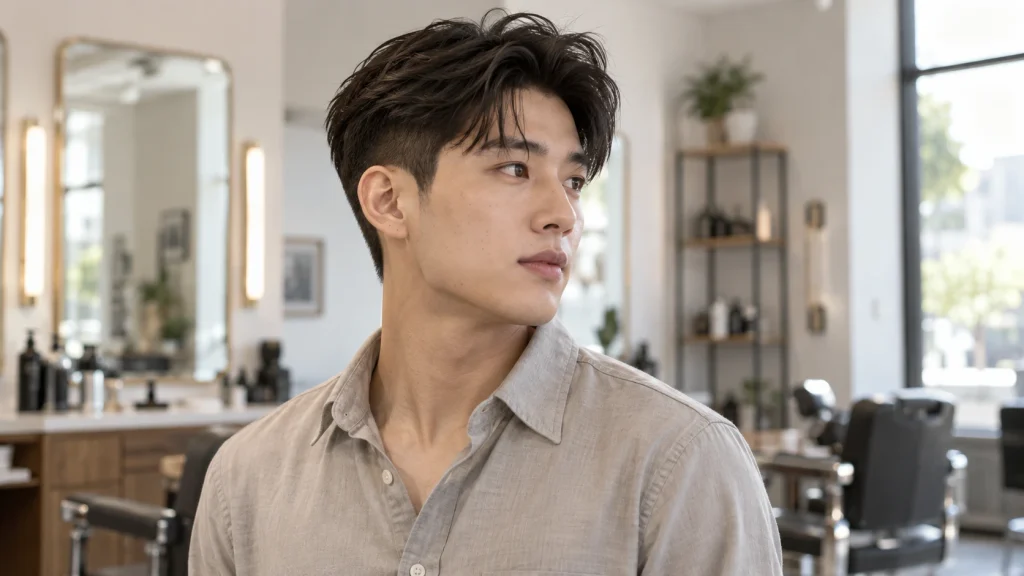
Korean hairstyles for men have inspired almost every guy I’ve styled in the past year to walk in holding a K-drama screenshot. But getting that look takes more than showing your barber a photo, especially when terms like “soft perm” leave room for confusion. I learned that the hard way when one client ended up looking more startled poodle than K-pop idol. So let’s clear things up with 24 Korean hairstyles, practical advice for your hair texture, realistic budgets, and clear instructions you can take to your local barbershop.
My Styling Notes
I’ll never forget the time a client walked into my Miami studio last summer clutching a photo of a Korean soft perm he wanted so badly he’d already told his girlfriend about it. We did the perm, and it looked incredible walking out the door. By the time he got home twenty minutes later, the humidity had turned his soft romantic waves into something closer to a frizzy dandelion. He called me practically panicking, and honestly, I felt terrible because I hadn’t asked him one simple question first: what’s your daily climate actually like?
That mistake taught me something I now tell every single client before they sit in my chair. A gorgeous Korean hairstyle isn’t just about the cut or the perm itself, it’s about matching the style to your real life, your real hair, and your real weather. I’ve built my whole approach around that lesson ever since, and it’s exactly what I want to walk you through here.
24 Effortless Korean Hairstyles Every Stylish Man Should Try This Year
1. What Makes a Hairstyle Truly Korean
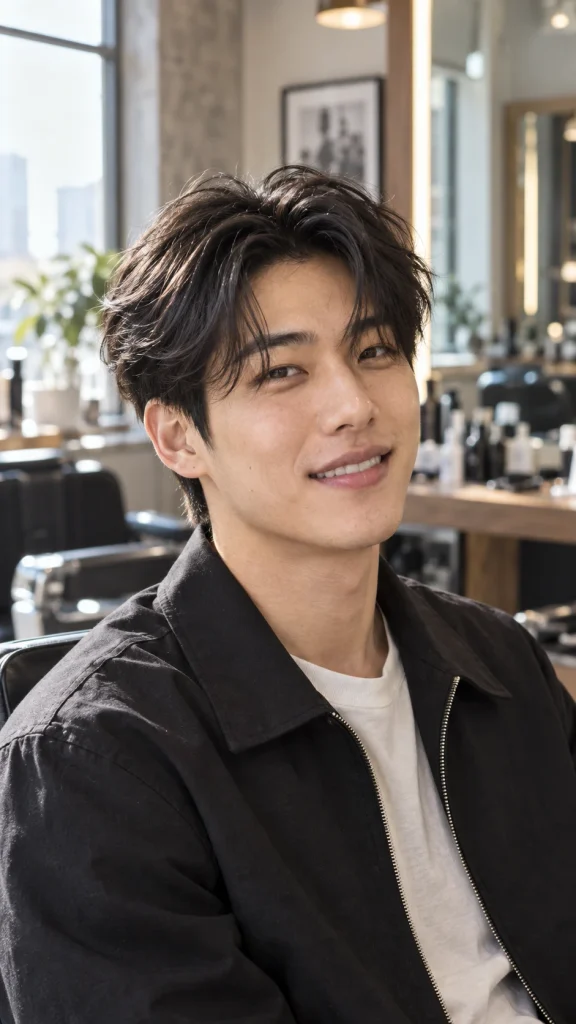
Ask ten people what a “Korean hairstyle” actually means and you’ll probably get ten different answers involving K pop, boy band bangs, or something vaguely tousled. But here’s what I tell clients who ask me this in the chair: Korean men’s hairstyles aren’t really about one specific cut. They’re about a philosophy. Soft texture over harsh lines. Movement over stiffness. A face framing fringe instead of a slicked back forehead. It’s grooming that looks effortless while secretly being very intentional, which honestly might be the most Korean beauty trick of all.
What separates it from typical American cuts I see all day is the layering technique. Korean barbers point cut and razor cut in a way that removes bulk without removing length, so hair moves instead of sitting like a helmet. It also leans heavily on natural texture rather than fighting it, which is part of why these styles feel so fresh compared to a standard fade.
A few traits show up again and again across almost every Korean style:
- Longer, textured tops paired with cleaner sides
- Fringe that frames rather than hides the face
- A soft, matte finish instead of high shine or heavy gel
2. Korean Hairstyles by Hair Type: Straight, Thin, Thick, Wavy and Curly
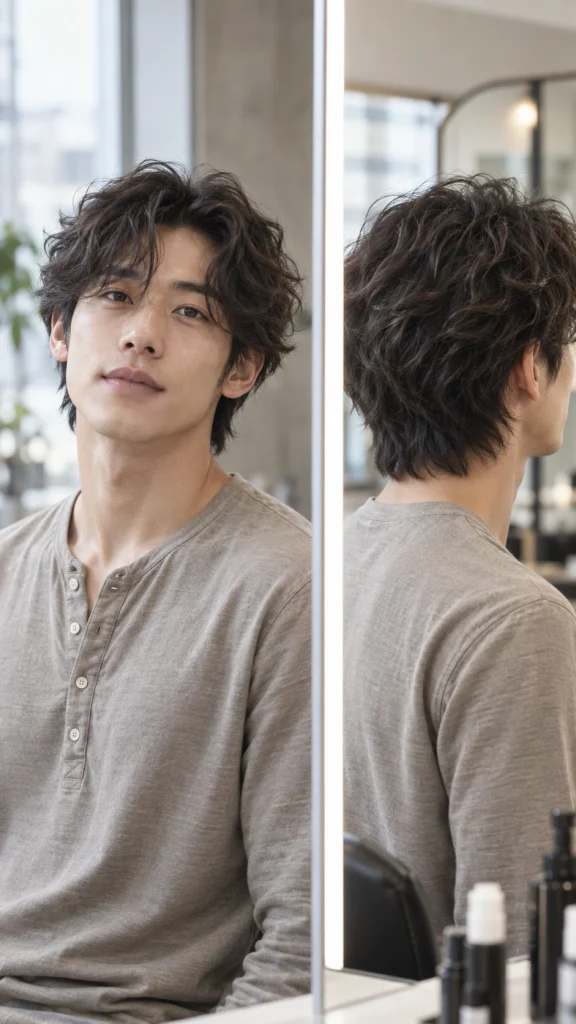
This is the part nobody talks about enough, and it drives me a little crazy honestly. Most of these guides show one hair type, straight and thick, and call it a day. But my clients walk in with everything from fine baby fine strands to tight natural curls, and the same “Korean perm” is going to behave completely differently depending on what you’re working with.
If your hair is straight and fine, understanding targeted haircuts for thin fine hair helps, but styles like the Textured Crop or Two Block will give you the illusion of density without a perm doing all the heavy lifting. Thick straight hair, on the other hand, is basically made for the Down Perm, since it tames volume that would otherwise puff out sideways by noon.
Wavy and curly textured hair, which a huge chunk of my American clients have, actually already has natural movement that mimics a Korean perm for free. One thing I always tell clients with natural curl pattern is to lean into a Curtain or Wolf Cut rather than paying for a perm they don’t need. Save your money, work with what you’ve already got.
3. Korean Hairstyles for Round Faces vs Oval Faces
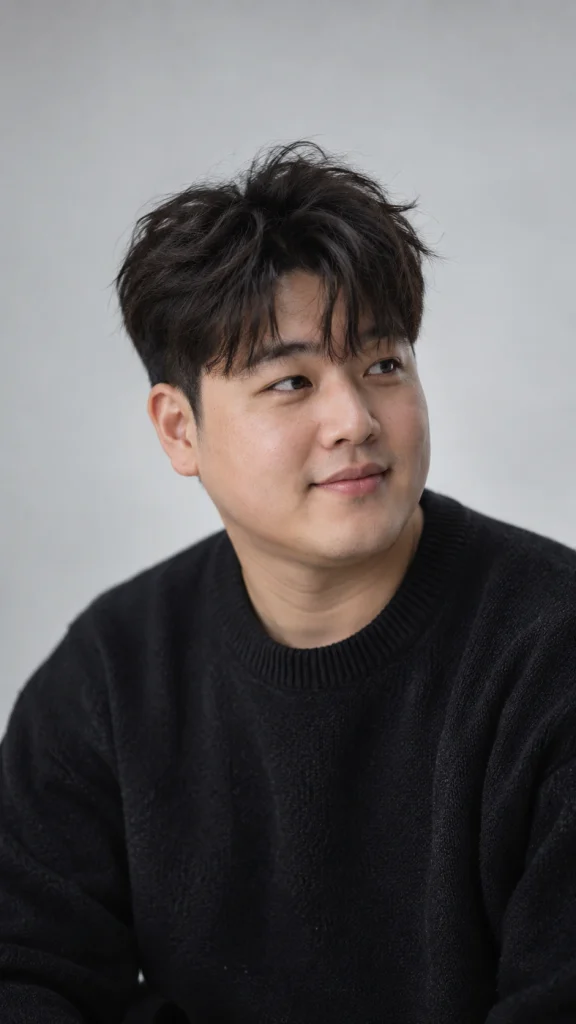
Face shape genuinely changes how a haircut reads, and I’ve watched the exact same style look completely different on two guys sitting back to back in my chair. Round faces do best with height and vertical movement on top, because it visually stretches the face and keeps things from looking too wide. Oval faces, meanwhile, are the lucky ones here since almost every Korean style flatters them.
For a round face, I usually steer clients toward the Two Block, Comma Hair, or Textured Fringe. These add lift where you need it and avoid heavy width around the cheeks. For an oval face, you genuinely have permission to go wild. The Curtain, the Wolf Cut, even the Mullet all work beautifully because there’s already natural balance in the bone structure—similar to how tailored hairstyles for oval shaped face frame facial features naturally.
4. Korean Hairstyles for a Receding Hairline
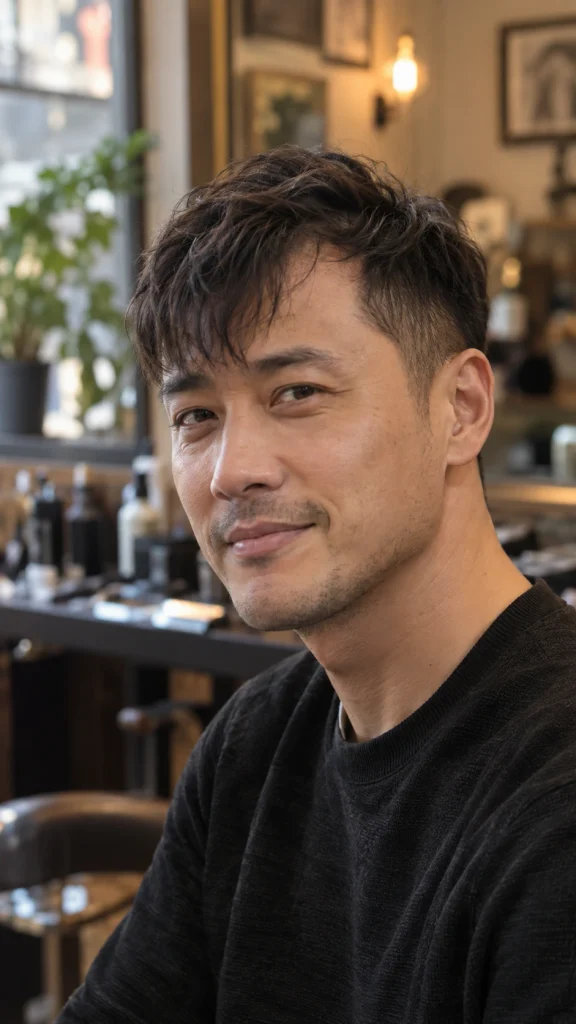
Nobody wants to talk about this one, but I’ve had more than a few clients quietly bring it up mid haircut, almost like they’re embarrassed to say it out loud. So let’s just say it plainly. A receding hairline doesn’t mean Korean styles are off the table, it just means a few of them need smart adjustment.
Heavy curtain bangs and thick middle parts tend to draw attention straight to the hairline, which is usually the opposite of what you want. A better move is something with textured, slightly shorter fringe that sits forward without depending on length to hide the temples.
A few options that actually work well here:
- Textured Crop with a soft forward fringe
- Short Korean Haircut with subtle top texture
- Korean Undercut styled with volume pushed slightly forward
5. Korean Hairstyles for Men Over 40
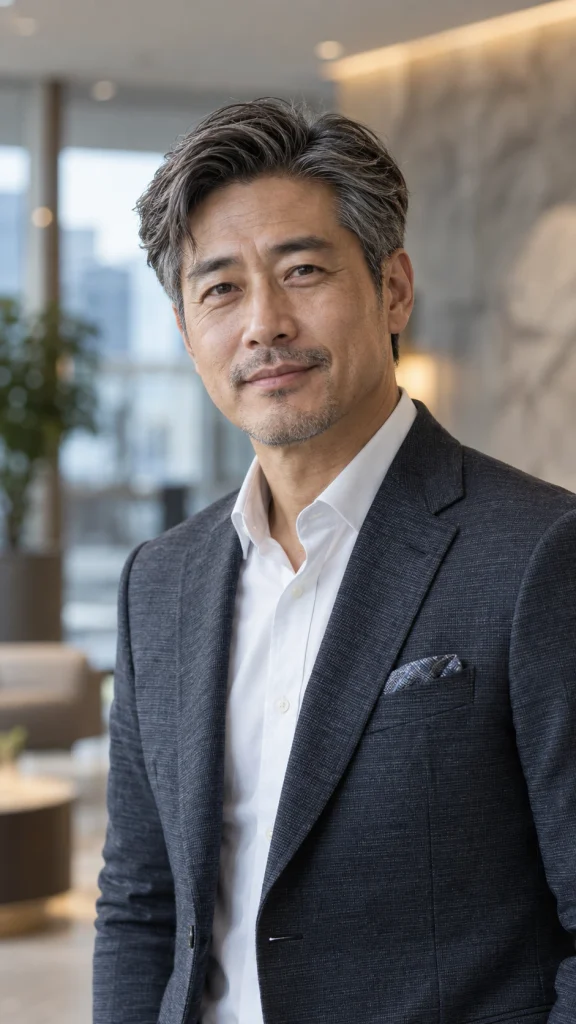
Let’s be honest for a second. A 45 year old walking in asking for the exact Wolf Cut off a 19 year old K pop idol is going to need a little translation, not a flat no. I’ve done this cut on plenty of clients well into their 40s and 50s, and it looks fantastic when you dial back the extremes.
The trick is proportion. Instead of the full shaggy, undone texture younger guys wear, ask for the same layering technique but with slightly shorter length and less exaggerated movement on top. It reads as polished rather than like you raided your nephew’s Pinterest board.
Styles that age beautifully on mature clients include the Korean Side Part, the Ivy League, and a toned down Textured Crop. They keep that Korean softness without tipping into costume territory.
6. The 24 Trendy Korean Hairstyles Organized by Length
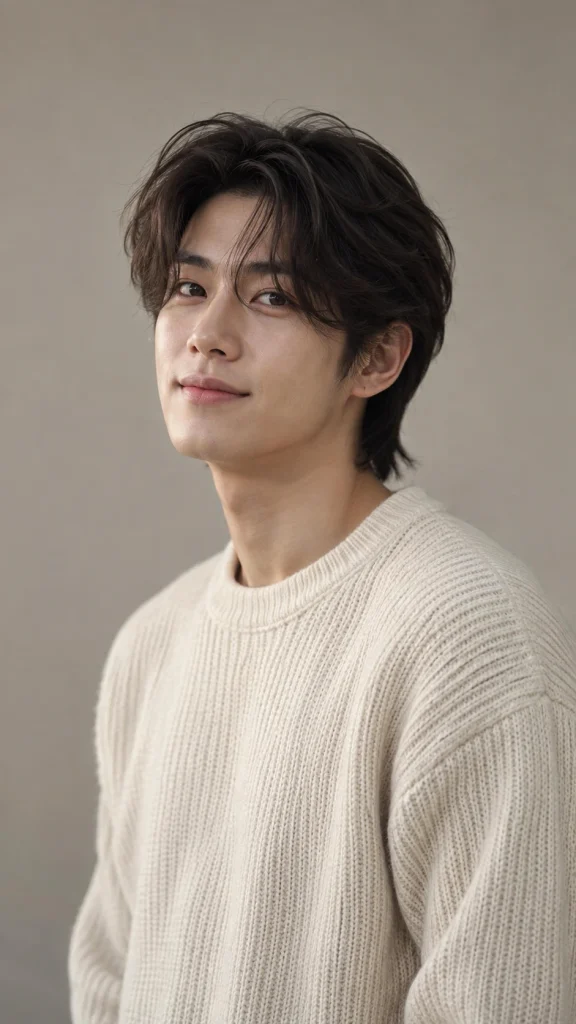
Here’s where we get into the good stuff, the actual haircuts you came here for. I’ve grouped these by length because honestly that’s how most guys actually decide what to get. Growing hair out takes commitment, and I’d rather set realistic expectations than have you show up to my chair asking for a two year transformation in one sitting.
Below you’ll find short, medium, and long options, each with the details on how they’re cut, how they’re styled, and who they actually flatter. Think of this as your master reference sheet, the kind of thing you screenshot and bring straight to your barber appointment.
7. Short Korean Hairstyles for Men
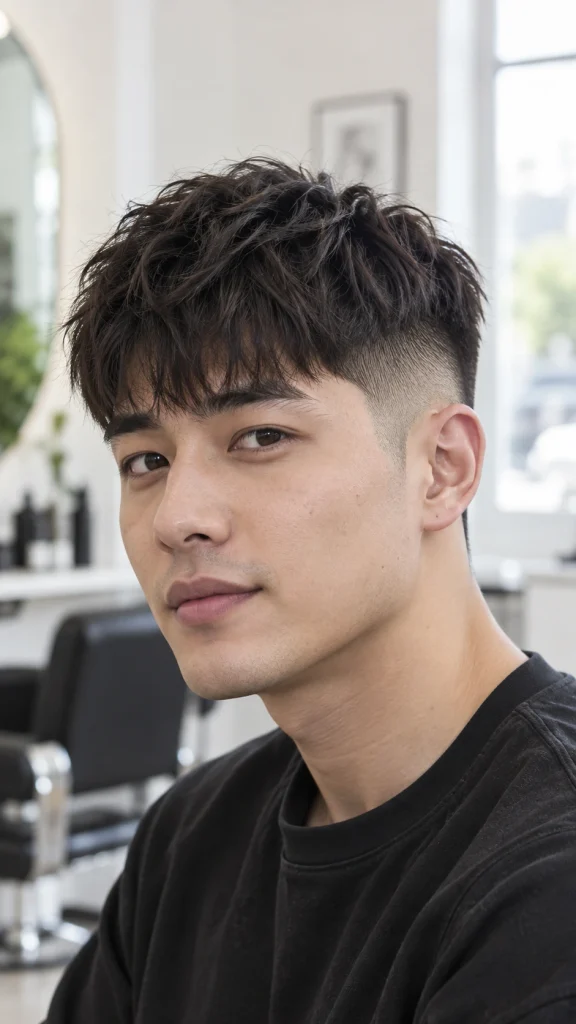
Short styles are honestly my favorite recommendation for first timers trying the Korean aesthetic because they’re forgiving, low risk, and grow out gracefully if you decide it’s not for you. They also tend to survive humid climates far better than their longer counterparts.
This category includes the French Crop, Caesar Cut, Textured Crop, Short Korean Haircut, and Korean Taper Fade. Each one keeps sides tight and manageable while still giving you that soft textured top Korean cuts are known for.
A few reasons I push short styles on busy clients:
- Minimal daily styling time, often under five minutes
- Holds up better in humidity and hot climates
- Easier for American barbers unfamiliar with Korean texturizing to execute well
8. Medium Length Korean Hairstyles for Men
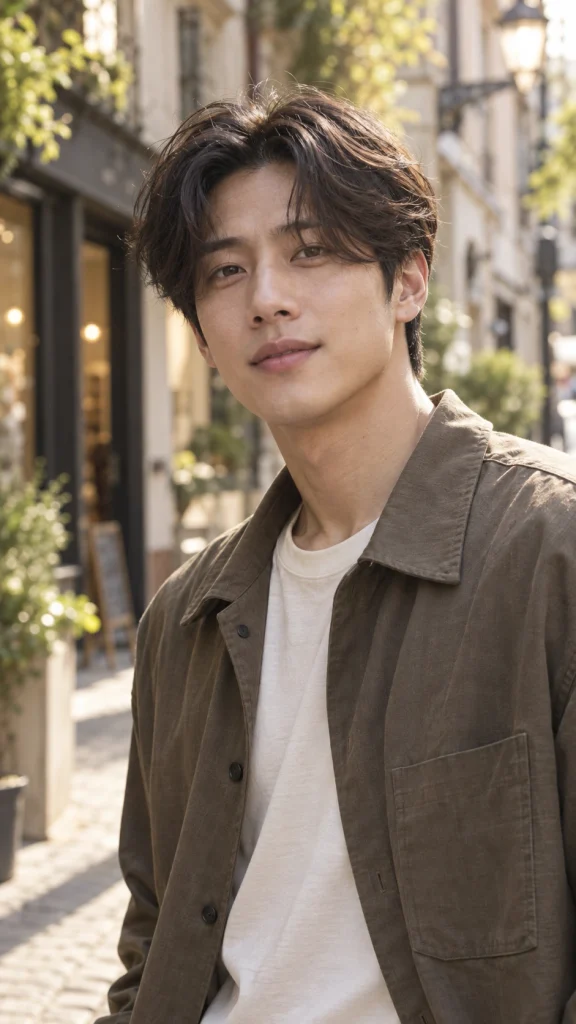
Medium length is really the sweet spot where Korean hairstyling shines the brightest. You get enough length for genuine movement and texture, without committing to the full maintenance schedule that long hair demands. This is where styles like Comma Hair, the Curtain Haircut, Korean Middle Part, and Dandy Cut live.
I’ll be honest, this length range does require more from you at home. You’re looking at a blow dryer, maybe a round brush, and a texturizing product most mornings if you want it looking intentional rather than just grown out. But the payoff is real. Medium length Korean hairstyles hit that balance of stylish and professional that works whether you’re heading into an office or out on a Friday night.
9. Long Korean Hairstyles for Men
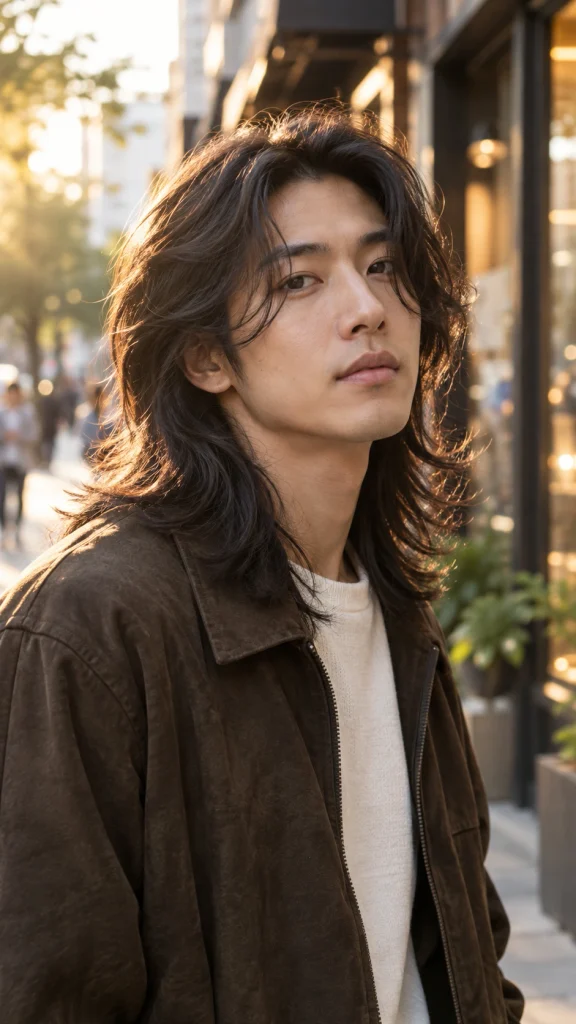
Long hair is a real commitment, and I always tell clients thinking about growing it out that the first four to six months are going to be awkward no matter what. There’s a growing out phase where it just looks like you forgot to get a haircut, and you have to push through it to reach the good part.
Once you’re there though, styles like the Wolf Cut, Mullet, Natural Flow, Long Korean Haircut, and Bangs with Ponytail become genuinely striking options. They work best on guys with some natural wave or texture already, since fully straight long hair can sometimes fall flat and look heavy rather than voluminous.
Out of all these options, which one actually fits your budget and lifestyle best right now?
10. Korean Two Block Haircut Deep Dive
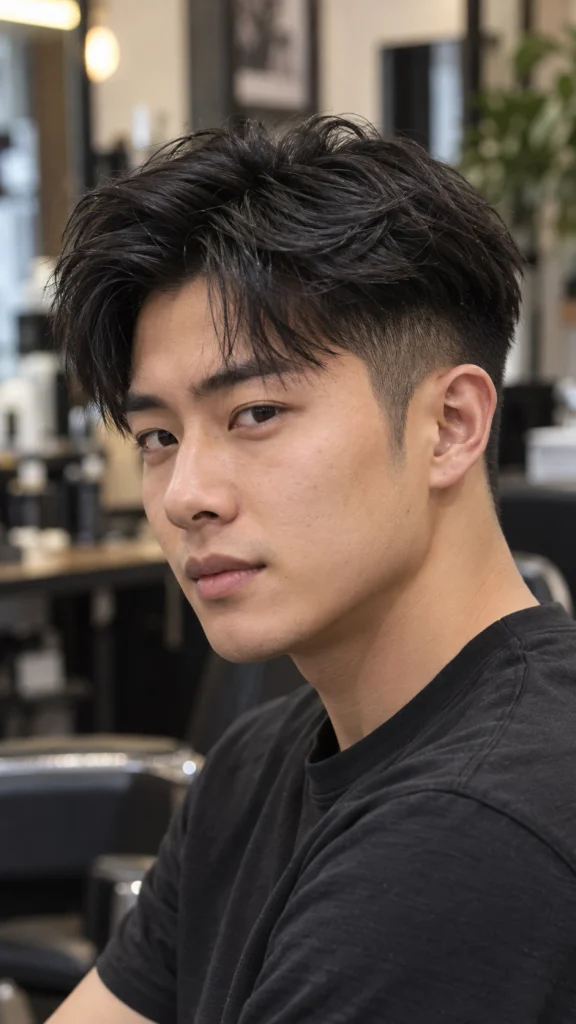
If I had to pick the single most requested Korean style in my chair, it’s the Two Block, no contest. It’s essentially the gateway drug into Korean hairstyling for guys who’ve never tried anything beyond a standard fade. The concept is simple. Longer hair sits on top while the sides are cut dramatically shorter, creating a bold visible contrast rather than a gradual blend.
What makes it so popular is the versatility. You can wear the top pushed up for volume, parted to the side for something more polished, or left down and messy for a casual day. It suits nearly every face shape, which honestly makes my job easier when a client isn’t totally sure what they want yet.
A few quick notes on getting this one right:
- Ask specifically for a disconnected undercut underneath the longer top
- Request point cutting on top to avoid a blunt, helmet like edge
- Plan for a trim every three to four weeks to keep the contrast sharp
11. Korean Curtain Haircut for Men
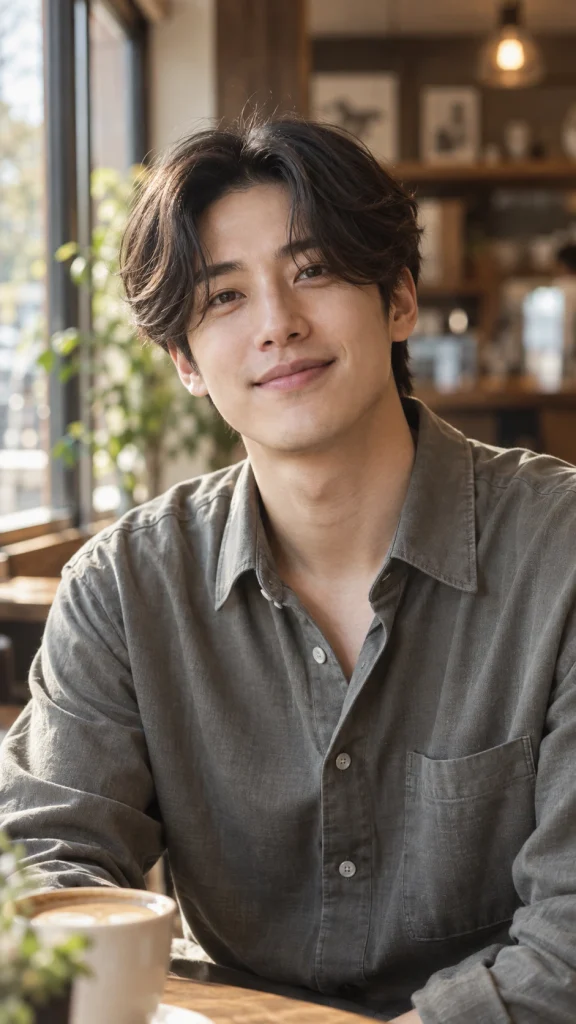
The Curtain Haircut has this effortlessly artsy, almost vintage charm to it that I genuinely love recommending. Hair parts down the center and falls softly to both sides, framing the face rather than hiding it. It’s less rigid than the curtain bangs you might remember from certain eras of boy band hair, with a much softer, more natural finish.
This one does best on guys with at least medium length hair and a bit of natural texture to work with. Straight, fine hair can sometimes struggle to hold the part without a little product help. My go to trick here is a light sea salt spray applied to damp hair before blow drying, which gives just enough grip for the part to stay put through the day.
12. Korean Middle Part Hairstyle
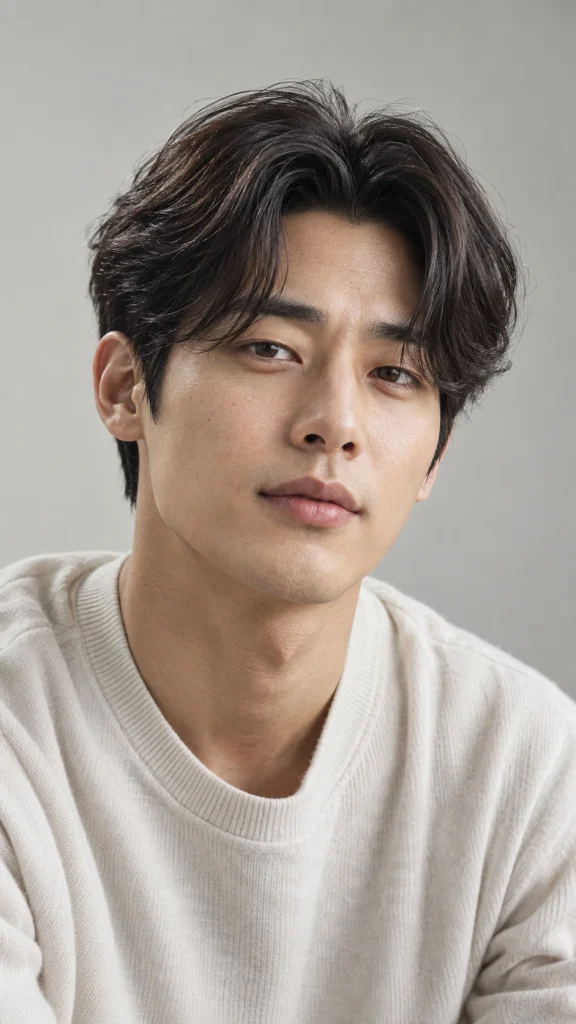
Middle parts have had a real moment over the past few years, and the Korean version brings a softness to it that keeps it from looking too severe or overly styled. Instead of a razor sharp line down the center, you’re going for something a bit more relaxed, with volume lifted at the roots before it falls to either side.
This style works particularly well on oval and square face shapes, since it opens up the forehead in a flattering way. One thing worth mentioning honestly is that it can look a little awkward during the first few days after a fresh cut before your hair settles into its natural fall pattern, so don’t panic if it feels stiff at first.
13. Korean Comma Hairstyle Explained
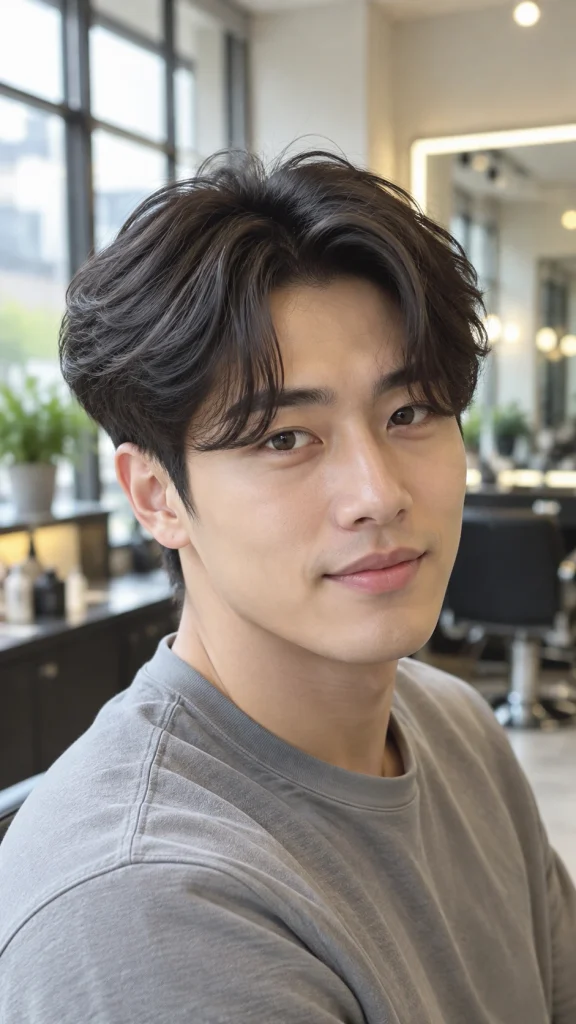
The Comma Hair might be the single most iconic Korean fringe style, and there’s a reason nearly every K pop idol has worn some version of it. The front pieces curl inward at the temples, forming that signature comma shape that softens the whole face. It’s youthful, a little playful, and honestly pretty forgiving once you learn how to style it.
Getting the curl right usually takes a round brush and a blow dryer, curling the ends inward as you dry. If you’re not confident with a round brush yet, a lightweight curling technique using your fingers while the hair is damp can get you most of the way there. Just don’t expect it to hold all day without a flexible pomade locking things in.
14. Korean Wolf Cut for Men
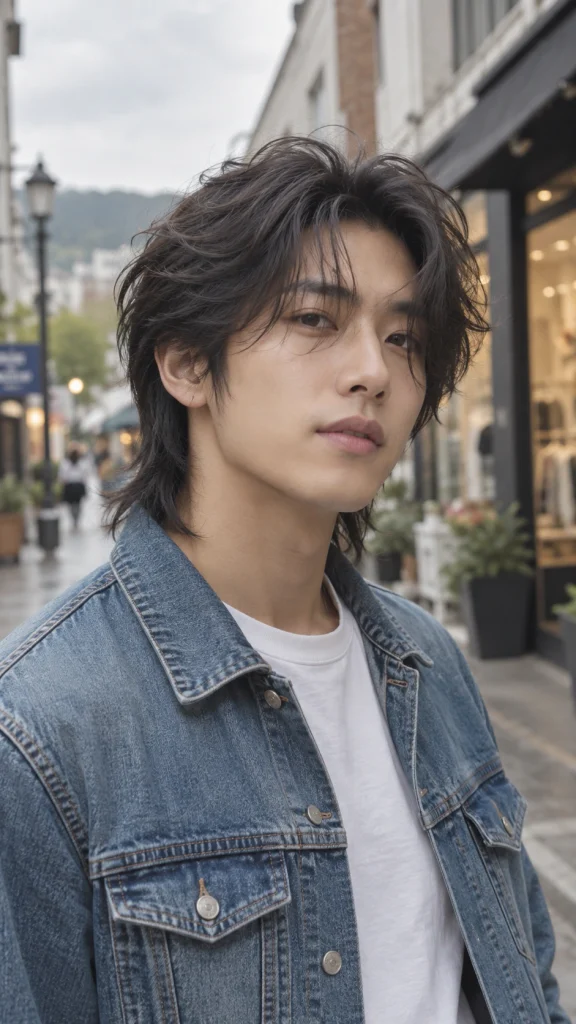
I have a soft spot for the Wolf Cut because it’s chaotic in the best way. It’s shaggy, layered, a little undone, and yet somehow always looks intentional rather than messy. Heavy layering throughout gives it that wispy movement, while extra volume around the crown keeps it from looking flat or one dimensional.
This one genuinely thrives on textured or wavy hair. If your hair is pin straight and fine, you might need a light texturizing spray or even a subtle perm to get that same tousled effect. It’s also a fantastic option if you’re someone who hates blow drying every single morning, since a slightly messy, second day look actually works in this style’s favor rather than against it.
15. Korean Mullet Haircut
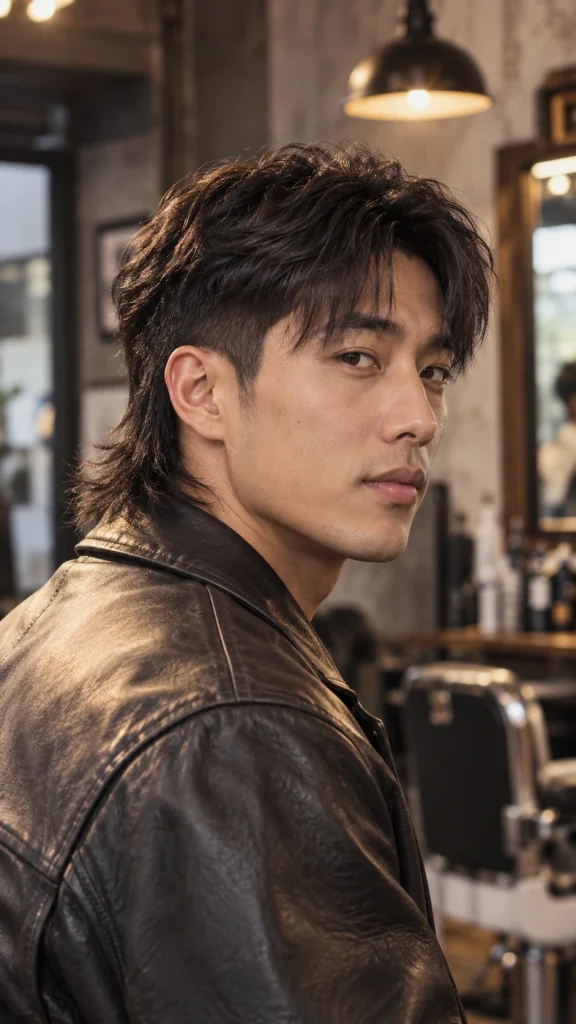
The Mullet has made an unexpected comeback, and the Korean version leans more polished than the rebellious 80s original most Americans picture. Short on top and sides, then dramatically longer at the back, it’s a genuine statement cut that isn’t for the faint of heart.
I’ll be upfront with clients considering this one. It’s a commitment, and it can look a little rough during the transition period as the back grows out longer than the rest. But once it settles in, the contrast between the tight sides and flowing back gives it a rebellious yet oddly refined energy that’s hard to replicate with any other cut.
What’s the one thing about your current haircut you’d change first if you could?
16. Korean Textured Fringe
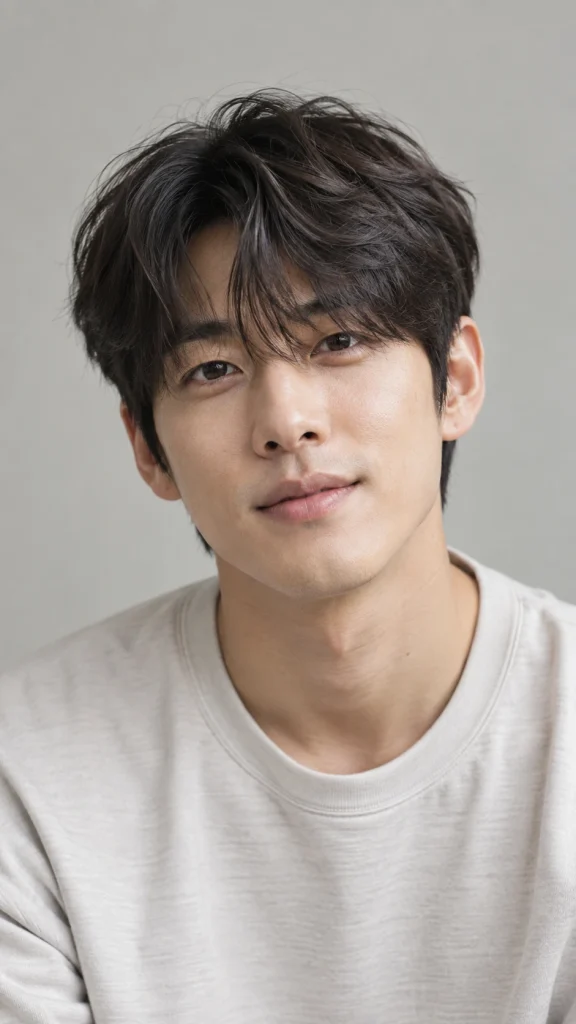
Simple, low effort, and flattering on almost everyone, the Textured Fringe is what I recommend to clients who want a taste of the Korean aesthetic without a total commitment. Piecey, choppy layers fall softly across the forehead, adding depth without requiring heavy daily styling.
It’s particularly great for round faces since the fringe visually slims the face and draws the eye downward rather than emphasizing width. A texturizing powder or light clay is really all you need most mornings, just scrunched through with your fingers.
17. Korean Side Part Hairstyle
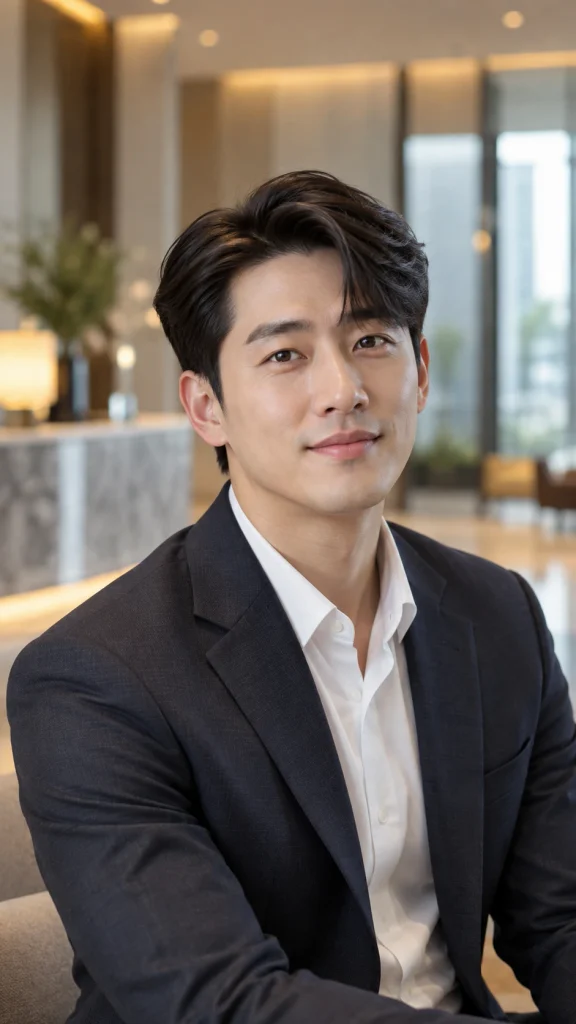
There’s a reason the Korean Side Part is the one I recommend most often for guys heading into job interviews or client meetings. It reads polished and put together, but that soft Korean texture keeps it from looking stiff or overly corporate like a traditional American side part often does.
The key difference from a classic side part is the finish. You’re not slicking this down with heavy pomade for a wet shine. Instead, a light hold cream keeps the movement natural while the parted section stays defined. It’s the kind of style that works whether you’re in a boardroom or grabbing drinks after work, which honestly is exactly what most guys are looking for these days.
18. Korean Undercut for Men
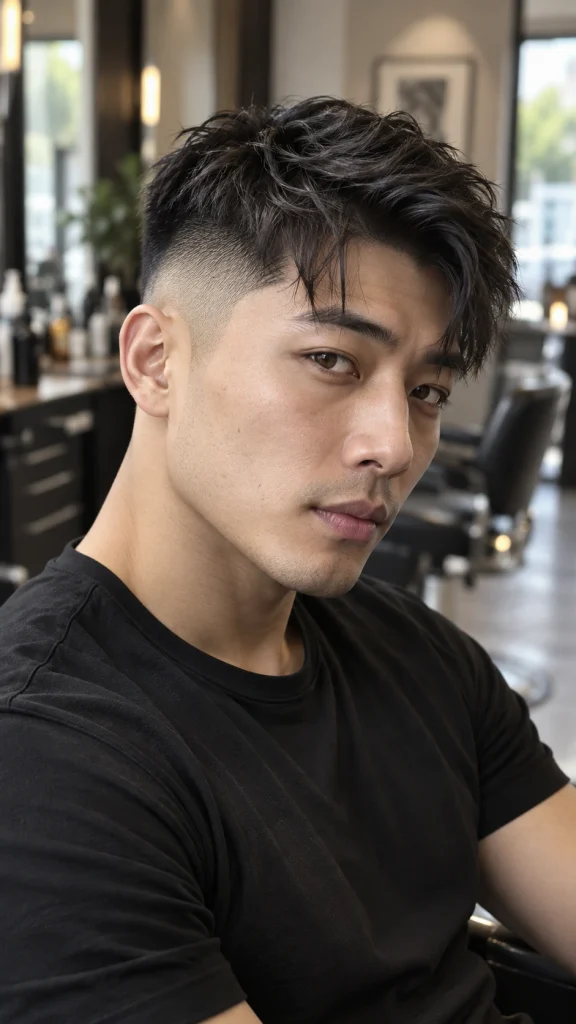
The Undercut is probably the boldest option on this list in terms of contrast, and it’s a fantastic choice if you want maximum versatility from one haircut. Short, sharply faded sides meet a much longer top that you can style slicked back, pushed forward, or left loose depending on your mood that day.
A few things worth knowing before you commit:
- The sides need regular trims every two to three weeks to keep that sharp contrast looking fresh
- It photographs incredibly well, which is part of why it’s such a popular request after guys see it on Instagram
- Growing it out gracefully takes patience, since the transition between short and long sections can look a little uneven for a stretch
19. Korean Soft Perm for Men
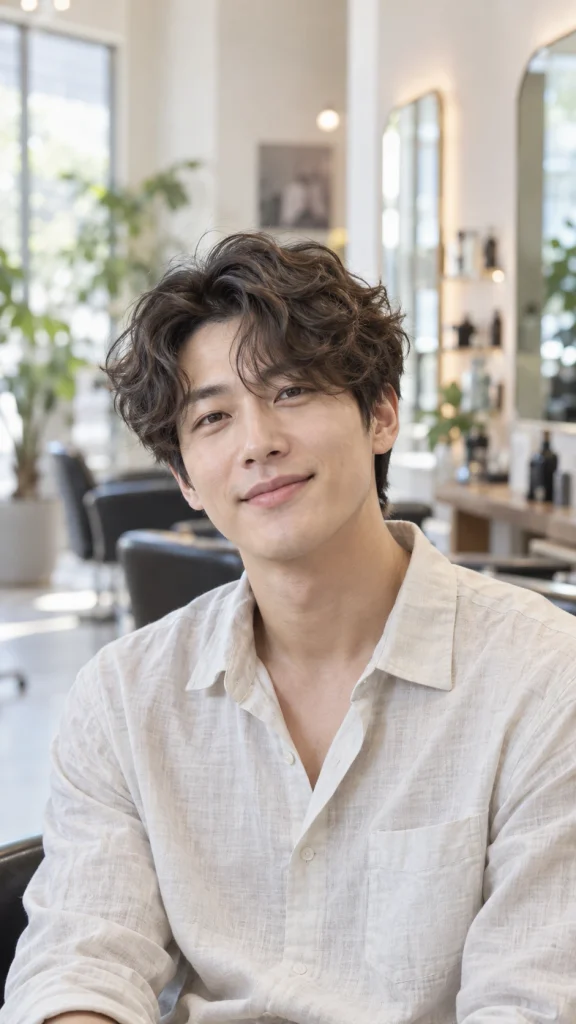
A soft perm is genuinely one of the most transformative things you can do to straight, flat hair. It adds gentle waves and lift without the tight, obviously curled look some perms can give. My studio has seen a real surge in requests for this one over the past year, mostly from guys who are tired of blow drying volume into their hair every single morning.
That said, I always have an honest conversation with clients before booking this service. Soft perms need proper aftercare, meaning a hydrating shampoo and leave in treatment become non negotiable, or the curl pattern dries out and starts looking frizzy rather than soft. It’s also worth knowing that humidity is this style’s biggest enemy, so if you live somewhere sticky and tropical, set your expectations accordingly.
20. Korean Down Perm
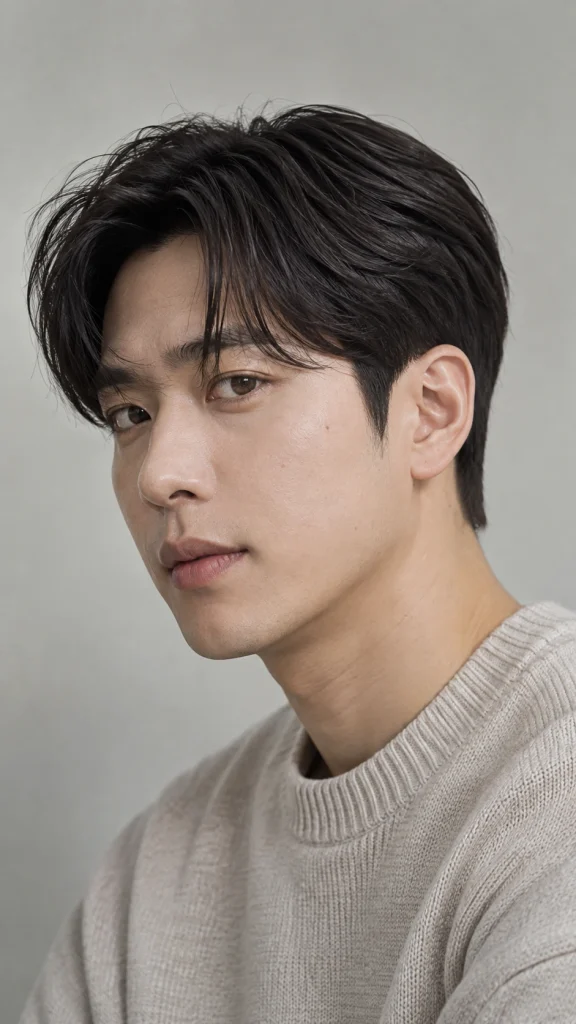
Where a soft perm adds volume, the Down Perm does the exact opposite, and it’s honestly a bit of an underrated service in my opinion. It’s designed specifically for thick, stubborn hair that puffs out sideways no matter how much product you throw at it. The chemical relaxation process used in a perm relaxes the hair shaft to lie flatter and closer to the head.
This one is a genuine lifesaver for guys with naturally voluminous or coarse hair who’ve spent years fighting their own texture. The results usually last a few months before you need a touch up, and in the meantime, morning styling becomes almost embarrassingly easy.
21. Korean Wavy Hairstyles for Men
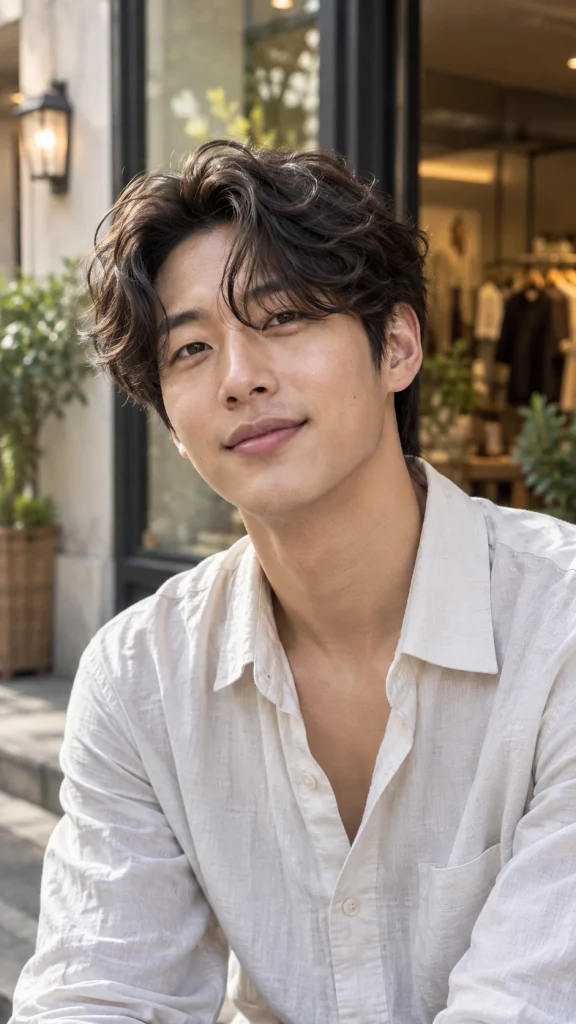
Naturally wavy hair is honestly a gift when it comes to nailing the Korean aesthetic, and I tell my wavy haired clients this constantly. You’re already halfway to that soft, textured look most guys are paying for with a perm. The trick is learning to enhance the wave pattern rather than fighting it flat with a brush every morning.
A sea salt spray applied to damp hair, followed by air drying or a gentle diffuser session, brings out natural movement without frying your strands with heat. Styles like the Surfer Cut or a loosely styled Flow Cut let that wave do most of the work for you.
22. Korean Hairstyles for Straight and Thin Hair
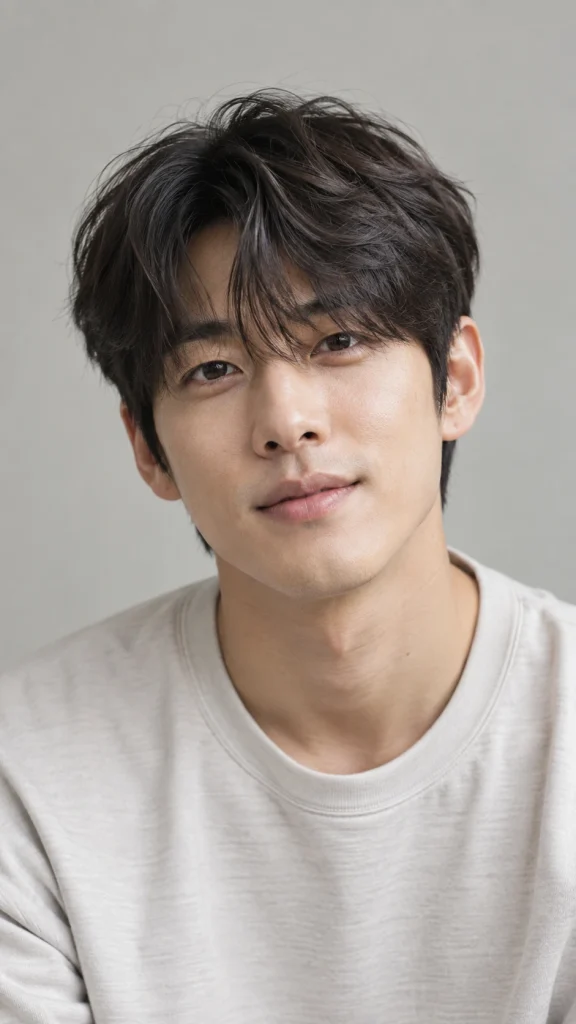
Fine or thin straight hair gets a bit of a bad reputation in the world of Korean hairstyling, mostly because it can struggle to hold volume without help. But I’ve styled plenty of thin haired clients into gorgeous Korean looks, it just takes the right approach.
A few things that genuinely make a difference here:
- A volumizing mousse applied at the roots before blow drying upward
- Shorter to medium length cuts, since long thin hair tends to look stringy rather than flowy
- A light perm, even just at the roots, if you want lasting lift without daily styling effort
Layering also matters more than length here. Too much length without proper layering weighs thin hair down and erases any texture you were hoping to show off.
23. Low Maintenance Korean Hairstyles for Busy Guys
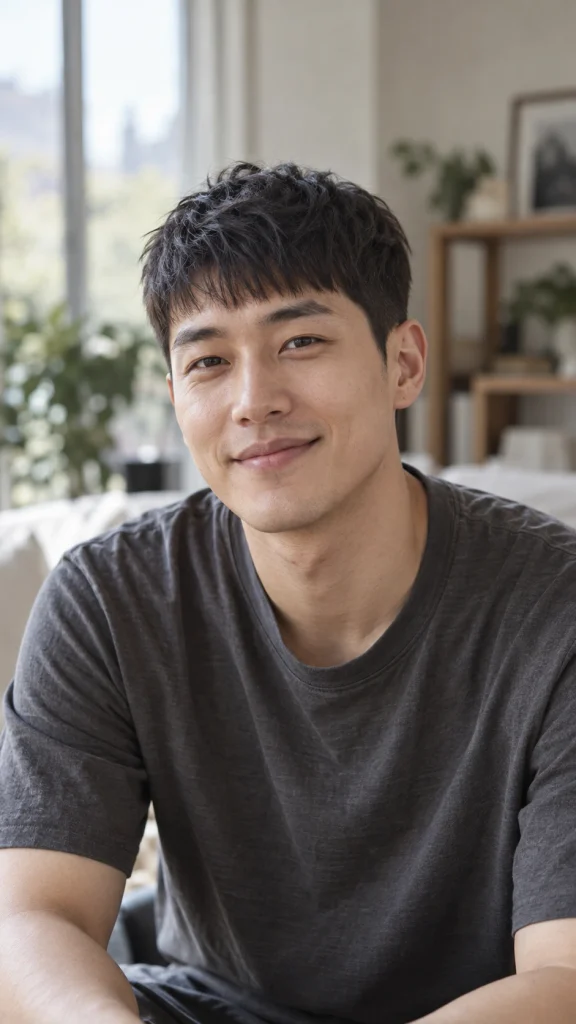
Not everyone has fifteen minutes and a round brush every single morning, and honestly, that’s completely fine. Some of my busiest clients, guys running to catch trains or dropping kids at school, still want that Korean polish without the daily fuss. Good news, a handful of these styles genuinely deliver both.
The French Crop needs essentially zero styling since it’s cut to fall naturally into place. The Caesar Cut is similarly effortless. Even the Textured Crop only asks for a quick scrunch of wax on your way out the door. My honest advice if your mornings are chaotic is to steer clear of anything requiring a blow dryer and round brush combo, no matter how good it looks in photos, because a style you can’t maintain just isn’t worth the frustration.
24. What to Ask Your American Barber for a Korean Haircut
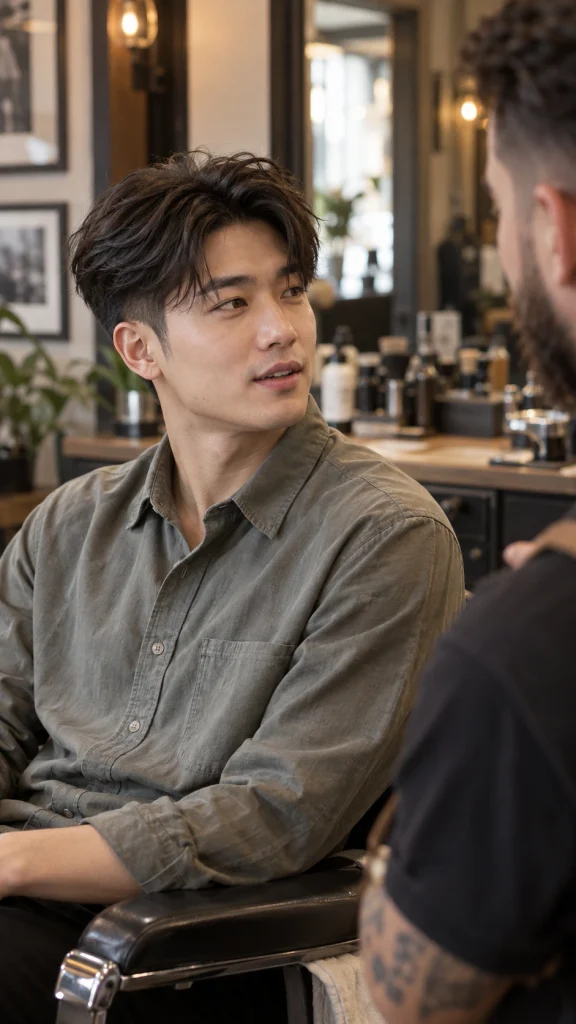
This is genuinely the section I wish existed before I started my career, because so much confusion between clients and barbers comes down to vocabulary, not skill. Most American barbers are fantastic at fades and classic cuts, but Korean texturizing terms simply aren’t part of standard training here yet.
My advice is to skip the Korean terminology entirely unless your barber specifically has Korean cutting experience. Instead, describe the technique in plain language. Say things like “point cut the top for texture, not blunt ends” or “I want disconnected sides with more length on top.” Bring a clear photo from multiple angles, not just one front facing shot, since sides and back detail get lost in translation constantly.
Which one of these 24 cuts are you screenshotting to show your barber this week?
Top 6 Products For Korean Hairstyles For Men
| Look / Item | Estimated Price | Care Level | Where to Buy |
|---|---|---|---|
| Sea Salt Spray | under 20 dollars | Low | Sea Salt Spray on Amazon |
| Texture Clay | 15 to 25 dollars | Low | Texture Clay on Amazon |
| Pomade | 15 to 30 dollars | Low | Pomade on Amazon |
| Volumizing Mousse | under 20 dollars | Medium | Volumizing Mousse on Amazon |
| Round Brush Blow Dryer Combo | 30 to 60 dollars | Medium | Round Brush Dryer on Amazon |
| Texturizing Powder | under 20 dollars | Low | Texturizing Powder on Amazon |
Your 60 Second Haircut Picker
Budget Friendly Picks
- French Crop or Caesar Cut, minimal styling products needed
- Short Korean Haircut with just a texturizing powder
- Two Block styled with a basic pomade instead of a full product routine
Worth the Splurge
- Korean Soft Perm or Down Perm at a specialist salon
- Curtain Haircut with a proper round brush and dryer setup from Amazon
- Wolf Cut maintained with a quality texturizing spray like Sea Salt Spray
Busy Professionals
- French Crop
- Korean Side Part
- Textured Crop
Hot and Humid Climates
- Short Korean Haircut
- Caesar Cut
- Skip soft perms entirely unless you’re committed to daily upkeep
Weekend Casual Energy
- Wolf Cut
- Mullet
- Messy Haircut styled with Texture Clay
Job Interview or Office Ready
- Korean Side Part
- Ivy League
- Toned down Textured Crop
Guys Who Hate Styling in the Morning
- French Crop, zero effort required
- Caesar Cut
- Textured Crop with just a scrunch of wax
Frequently Asked Questions
Do Korean hairstyles work on American hair textures?
Yes, but with adjustments. Straight thick Asian hair holds these cuts differently than wavy, curly, or fine American hair textures, so ask your barber to modify the layering based on what you’re actually working with rather than copying a reference photo exactly.
How much does a Korean perm cost in the US?
Expect anywhere from 150 to 350 dollars depending on your city and salon experience level. Specialty Korean or Asian focused salons often charge more but genuinely understand the technique better than a general barbershop.
What’s the best Korean hairstyle for a receding hairline?
I usually recommend a Textured Crop or Short Korean Haircut with fringe styled forward rather than long curtain bangs that draw attention to the hairline. Shorter, textured styles read intentional instead of like you’re hiding something.
Can I get a Korean haircut at a regular American barbershop?
You can, but bring very clear photos from multiple angles and describe the technique in plain language rather than Korean terminology. Most American barbers know how to execute the cut once you explain point cutting and disconnected layering clearly.
Are Korean perms bad for humid climates like Florida or Texas?
Not bad exactly, but definitely riskier without proper aftercare. Humidity tends to turn soft waves into frizz fast, so you’ll need a hydrating leave in product and realistic expectations if you live somewhere sticky year round
Conclusion
Here’s the thing I want you to walk away with. A great haircut is one of the fastest, cheapest confidence boosts you can give yourself, way faster than a whole new wardrobe and way cheaper than therapy some weeks. You don’t need to overhaul everything overnight either. Pick one style from this list, screenshot the section, and bring it to your next appointment. That’s genuinely all it takes to start looking like you’ve got your life together, even on the days you absolutely don’t.
