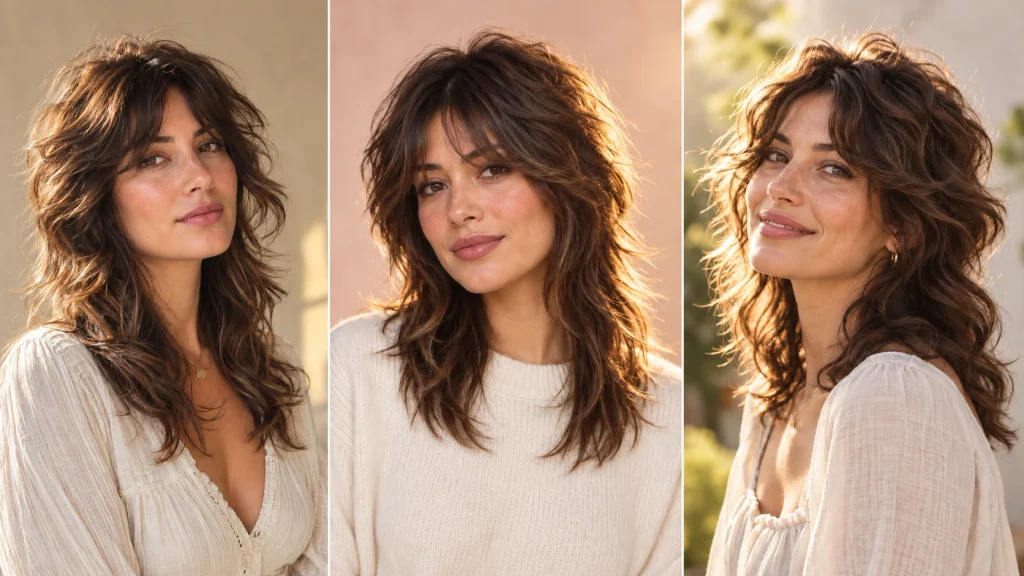
What is a wolf cut, and why does it make a fresh salon transformation look so effortlessly cool? This shaggy, textured haircut combines shorter crown layers with longer, feathered ends for a tousled shape full of movement. Depending on your hair texture, those layers can bring out natural volume and make everyday styling feel simpler. Let’s explore the cut, its upkeep, and what to consider before deciding whether it fits your hair and daily routine.
My Styling Notes
Last month, a client came into my studio desperately wanting to shake up her routine after years of flat, one-length layers. She was terrified that taking the plunge into a heavily layered look would leave her hair looking stringy or date her instantly. I took her length up to her collarbones, crafted soft curtain framing around her cheeks, and built airy weightlessness at her crown. The moment we rough dried her hair with a bit of texturizing spray, her entire face lit up. That is the magic of a great cut, it gives you effortless confidence without demanding constant heat styling.
Effortless Ways to Style, Layer, and Maintain Your Wolf Cut Haircut
1. What Is a Wolf Cut
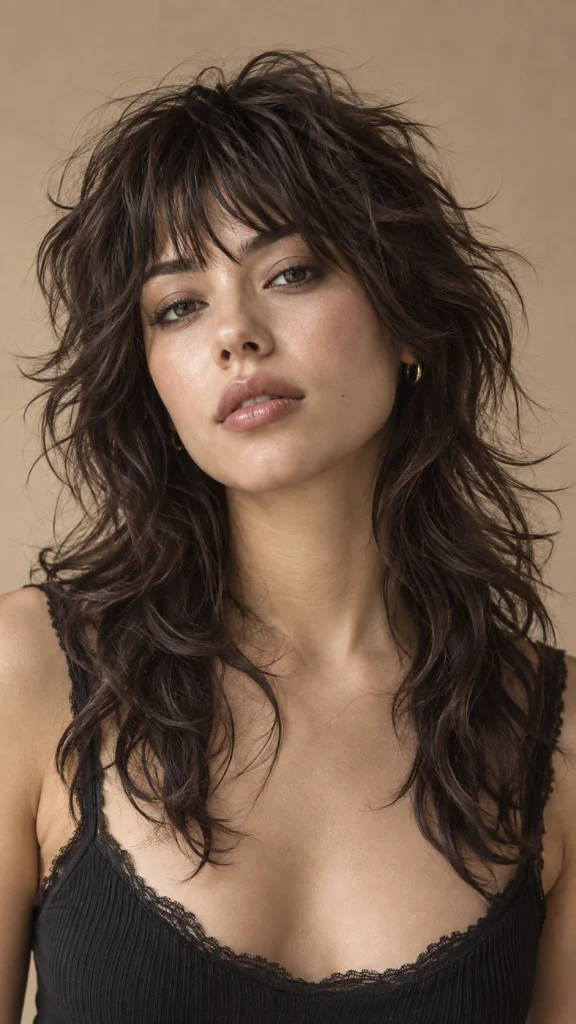
A wolf cut brings together two retro icons, blending the piecey movement of a classic 1970s shag cut with the shorter, voluminous top of an ’80s mullet. Its modern appeal lies in how those choppy layers flow into the length, creating a soft, effortlessly wild shape without an abrupt transition.
Shorter layers at the crown create natural lift, while the sides and back taper gently to maintain movement and balance. To explore how other hybrid haircuts use shorter layers to shape the hair and build crown volume, take a look at our pixie cut vs bixie cut comparison.
2. Key Features of the Signature Wolf Cut Shape

The hallmark of this style comes down to deliberate weight distribution throughout your hair. You get shorter, choppy layers focused around the crown that build height without needing heavy teasing.
Moving down, wispy face-framing pieces sweep across the cheekbones and jawline, softening your features instantly. The back maintains length, but the choppy texture removes heavy bulk, creating that signature undone silhouette that moves naturally when you walk.
3. Is a Wolf Cut Different to a Butterfly Cut

People ask me about this in my studio all the time because both styles rely heavily on layering. The main difference lies in the attitude and edge of the cut.
A wolf cut embraces raw texture, piecey ends, and a wilder look with shorter crown layers. A butterfly cut is much sweeter and more polished, using long, sweeping layers that mimic fluttery wings and blend smoothly. If you love soft movement over choppy texture, check out our guide on the butterfly cut short hair
to see how softer face-framing layers operate on chin-length hair.
4. Will a Wolf Cut Suit Your Hair Texture and Length

This style is exceptionally versatile across almost every hair type:
Color & Highlights: Adding dimensional color can highlight the choppy texture. A blonde wolf cut with bangs or vibrant contrast like a wolf cut with colored bangs accents the individual layers dramatically.
Wavy & Curly Hair: Shorter layers release heavy weight, allowing natural texture to spring up. If you have natural wave, exploring a wavy wolf cut with bangs shows how effortlessly texture enhances the cut.
Straight & Fine Hair: Shorter crown layers build built-in fullness that prevents your style from falling flat by noon.
5. How to Ask Your Stylist for the Right Layers

Walking into the salon prepared is the best way to make sure you get the exact shape you want. Start by bringing three or four photos that show the specific layer lengths and texture you like, but always listen to your stylist’s advice regarding your unique hair density.
Tell your stylist you want choppy, textured layers through the crown for volume, along with soft face-framing pieces that blend down into your length. If you have fine hair, ask them to keep the top layers soft and blended so your ends do not end up looking wispy or thin.
6. Do You Need Bangs with a Wolf Cut
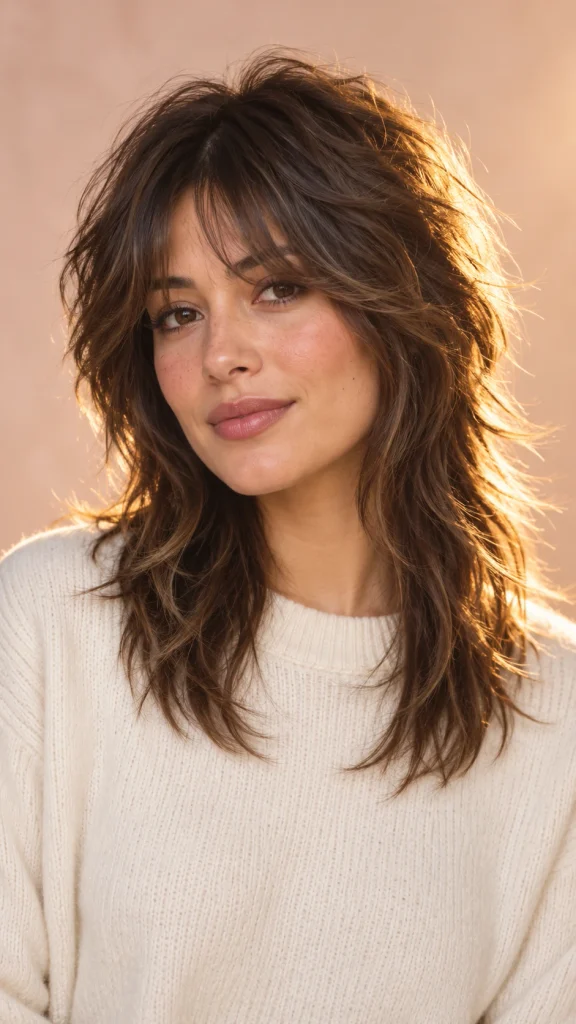
You do not need to cut full fringe to pull off this look. Many clients prefer keeping their front layers long enough to tuck behind their ears. If you prefer to skip fringe entirely, explore options for a sleek wolf cut without bangs.
However, if you love fringe, variations abound:
Curtain Bangs: For a softer face-framing effect, a wolf cut with curtain bangs blends seamlessly into the choppy side layers.
Classic Fringe: A classic shaggy wolf cut with bangs offers maximum retro volume.
7. Short Wolf Cut vs Long Wolf Cut Options
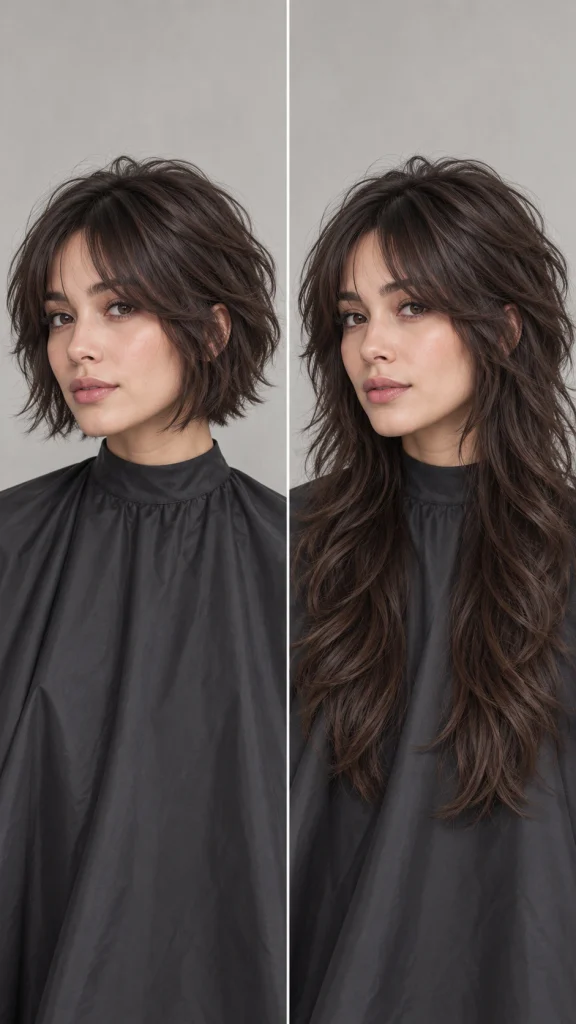
Length changes the overall energy of your style:
Long Wolf Cut: Retains cascading length through the back while preserving top volume. Look into long wolf cuts with curtain bangs to see how cascading length maintains silhouette balance.
Short Wolf Cut: Sitting near the chin or collarbones, a short wolf cut with curtain bangs brings an ultra-edgy, low-maintenance vibe that concentrates density around the face.
8. How to Style a Wolf Cut at Home Step by Step

Styling this cut is surprisingly simple because the strategic layering does most of the heavy lifting for you. Start by wrapping your freshly washed hair in a microfiber towel until it is mostly dry, then work a palmful of volumizing mousse through your roots.
Use a blow dryer with a round brush to lift hair upward at the crown, creating lasting height. For natural waves, scrunch a bit of texturizing cream through your mid-lengths and air dry, or use a curling wand on straight hair to add loose, alternating bends for that perfectly undone finish.
9. Essential Hair Products to Keep Volume Alive

Maintaining that effortless crown lift comes down to choosing lightweight formulas that add grit without weighing down your strands. A texturizing sea salt spray or lightweight volumizing mousse applied to damp roots creates the perfect foundation for natural movement.
On dry hair, a dry shampoo or texturizing powder sprayed directly at the crown gives you instant revived height throughout the day. Avoid heavy, silicone-heavy serums near your roots, as they can flatten the choppy layers that give this style its signature shape.
10. Maintenance and Trimming Schedule for Layers
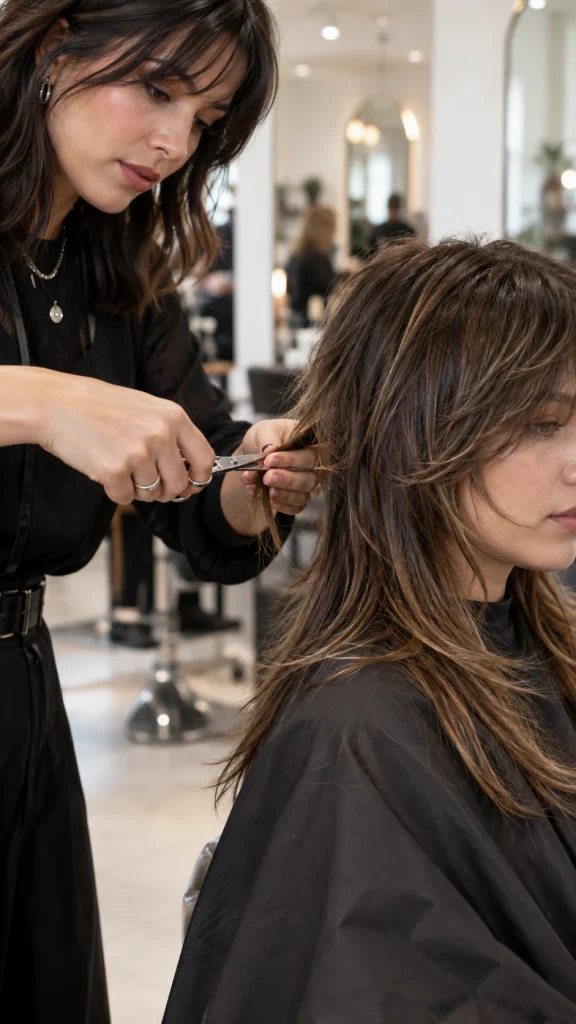
While this cut grows out far more gracefully than rigid geometric cuts, keeping the crown structure fresh requires regular salon visits. Scheduling a quick trim every six to eight weeks ensures your shorter top layers retain their lift and face-framing pieces do not lose their shape.
If you are letting your length grow longer, you can stretch your full appointments a bit further, but asking your stylist for a quick bang or fringe touchup keeps the front profile looking sharp between full hair overhauls.
11. Growing Out a Wolf Cut Gracefully
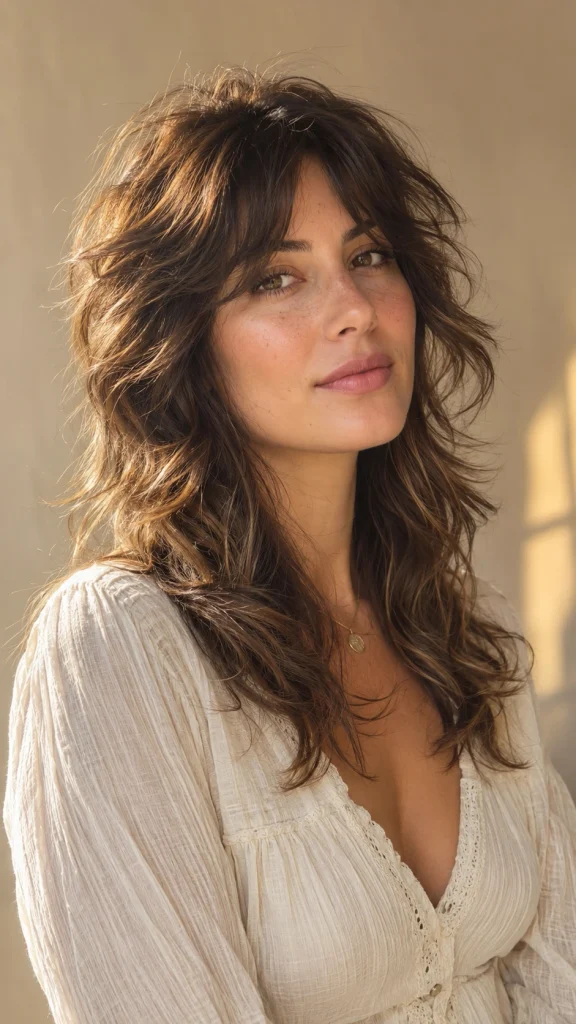
One of the greatest benefits of heavily layered haircuts is that they transition into other stunning styles without awkward middle phases. As the crown length grows down toward your jaw, the overall silhouette naturally softens into a classic retro shag or a long layered haircut.
To manage the transition, ask your stylist to blend the shortest top layers into your mid-lengths during maintenance visits. If you are exploring transition styles for mature hair, see how layered cuts evolve into manageable lengths in our overview of the what is a bob haircut.
Quick Style Decision Guide
By Budget
- Budget-Friendly Picks: Pick up an affordable lightweight texturizing sea salt spray or volumizing mousse on Amazon to build grit and root lift without overspending.
- Worth the Splurge: Invest in a high-performance round brush hairdryer combo or a professional curling wand on Amazon for faster, saloon-quality crown lift.
By Lifestyle
- Busy Professionals: Blow dry with a round brush once, then use dry shampoo on Amazon for 3 days of effortless morning volume.
- Hot Weather Styling: Air dry your choppy layers with a scrunch of curl cream to keep your neck cool and embrace your natural texture.
- New Moms: Keep the crown layers short for instant volume while leaving length long enough to pull back into a low claw-clip updo.
- Weekend Casual: Spritz a dry texturizing spray on dry hair, toss with your fingers, and step out the door in under two minutes.
Frequently Asked Questions About Wolf Cuts
Is a wolf cut high maintenance for daily styling
No, it is actually one of the lowest maintenance layered cuts you can get because the strategic layers do the heavy lifting for you. Most mornings, you simply need a quick spritz of dry shampoo or texturizing spray, a quick finger-scrunch, and you are ready to walk out the door.
Does a wolf cut work on thin or fine hair
Yes, it works exceptionally well on fine strands because the shorter crown layers create instant volume and lift. I always tell my clients to ask for soft, blended layers rather than harsh chops so the ends retain a healthy, full appearance.
How often do you need to trim a wolf cut
I usually recommend visiting your stylist every six to eight weeks to keep the crown volume fresh and light. If you are letting the length grow out into a long shag, you can easily stretch your appointments to ten weeks while just popping in for a quick fringe touchup.
Can you get a wolf cut without having bangs
Yes, you can absolutely skip traditional bangs and keep longer, face-framing layers that tuck behind your ears. Many people prefer center-parted, jaw-length curtain layers that blend smoothly into the crown without requiring a full front fringe.
What is the difference between a wolf cut and a mullet
The main distinction is that a wolf cut offers a soft, blended transition from the crown to the ends, whereas a mullet features a drastic contrast between short front sides and long back lengths. A wolf cut gives you that edgy rock-and-roll texture without the harsh disconnect of a traditional mullet.
Conclusion
Stepping into a fresh haircut is one of the quickest ways to reclaim your morning confidence and inject some fun back into your daily style. If you have been on the fence about taking the plunge, take this as your official sign to book that salon consultation and let your natural texture shine. Your hair should work for you and your busy routine, not the other way around.
Are you thinking about trying a short, edgy collarbone length or keeping your sweeping long layers when you get your wolf cut? Drop a comment below and let me know what length you are leaning toward!
