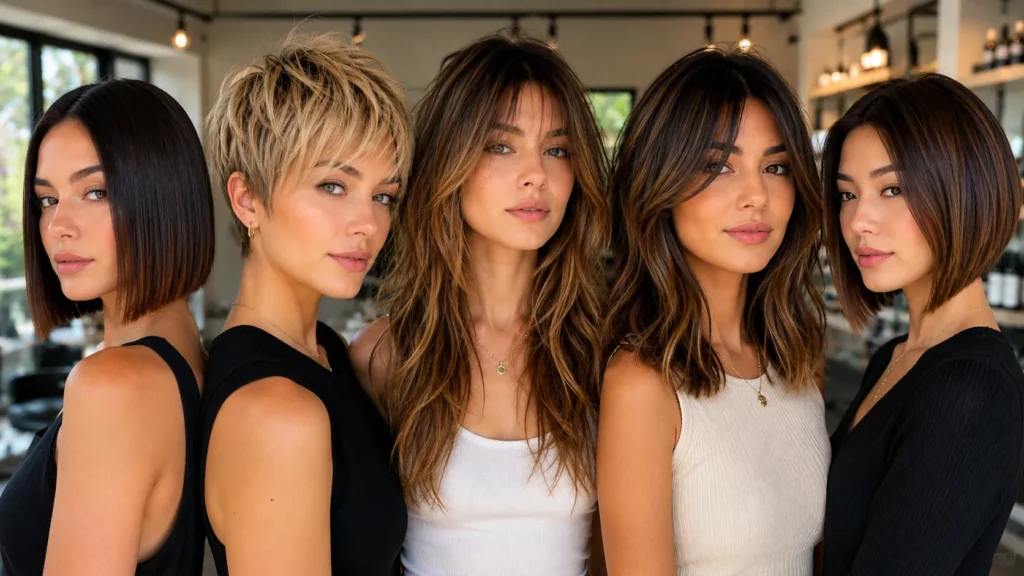
Fine hair does not need more product. It needs a better haircut, full stop. I have watched clients dump an entire bottle of volumizing mousse into their roots every single morning, only to look flat by lunch anyway, because the cut underneath was working against them the whole time. Your strands are not broken. They are just wearing the wrong shape. These nine cuts fix that from the inside out, no extra bottles required.
My Styling Notes
I had a client, Danielle, a nurse from Charlotte, who came to me every eight weeks begging to keep her hair long because she truly believed length equaled fullness. I got it. That is what most of us are taught to think. But her fine hair was pancaked flat against her scalp by noon during a brutal Carolina summer, and no amount of root spray was saving her. I finally talked her into a collarbone shag with curtain bangs, and she almost teared up in my chair, convinced she would hate it. Two weeks later she texted me a selfie from hour twelve of a hospital shift, and her hair still had lift. That is the moment I learned fine haired clients often avoid the exact cut that would save them, simply because it feels shorter than their comfort zone.
Effortless Haircuts That Give Thin Fine Hair Stunning Everyday Fullness
1. The Blunt Bob That Tricks Everyone Into Thinking You Have Thick Hair
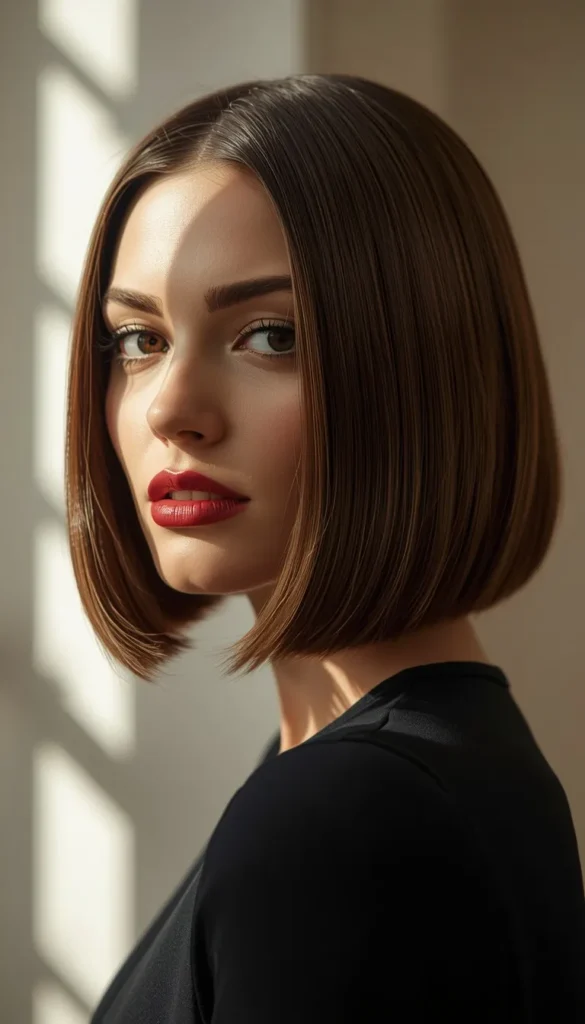
If there is one cut I recommend more than any other for fine hair, it is this one. A blunt bob, ending right at the jaw or just below it, stops your hair from tapering off into those wispy, see through ends that scream thin. When every strand ends at the same length, the eye reads it as denser than it actually is. It is basically an optical illusion, and honestly, I am obsessed with how well it works.
A few things to know before you book it. This cut needs a trim every six to eight weeks to hold its shape, since even a little bit of growth softens that clean line and undoes the volume trick. Expect to spend anywhere from forty five dollars at a solid chain salon to over one hundred and fifty at a specialty colorist in a bigger city. One thing I always tell my clients moving to humid places like Houston or New Orleans is to ask their stylist for a slightly angled bob instead of a perfectly straight one, since humidity loves to soften blunt lines by mid afternoon.
2. The Textured Pixie For Serious Volume Without Serious Effort
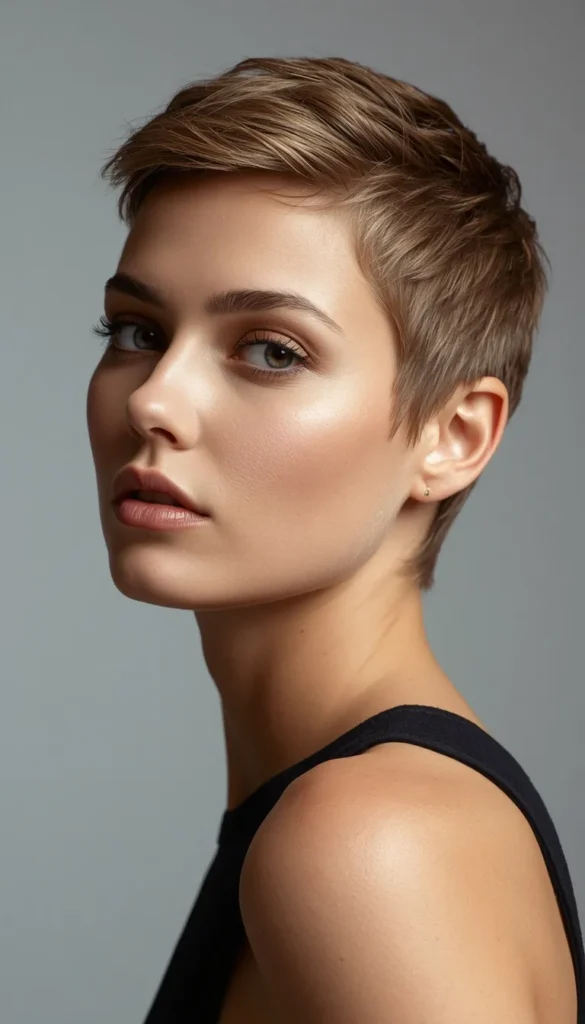
This one is not for the faint of heart, but if you commit, it rewards you every single day. A textured pixie works because there is simply less weight pulling your roots down, which means whatever natural lift your hair has gets to actually show up. It is dramatic in the best way.
Styling this is genuinely fast. We are talking two minutes with a texturizing paste and your fingers, not a full blowout routine. That alone makes it a favorite for anyone juggling a packed morning.
- Great for round or heart shaped faces that want definition
- A little rough on humid climates since shorter pieces can frizz faster
- Grows out awkwardly around week five, so plan your calendar trims accordingly
3. The Long Layered Shag For Movement That Never Looks Flat
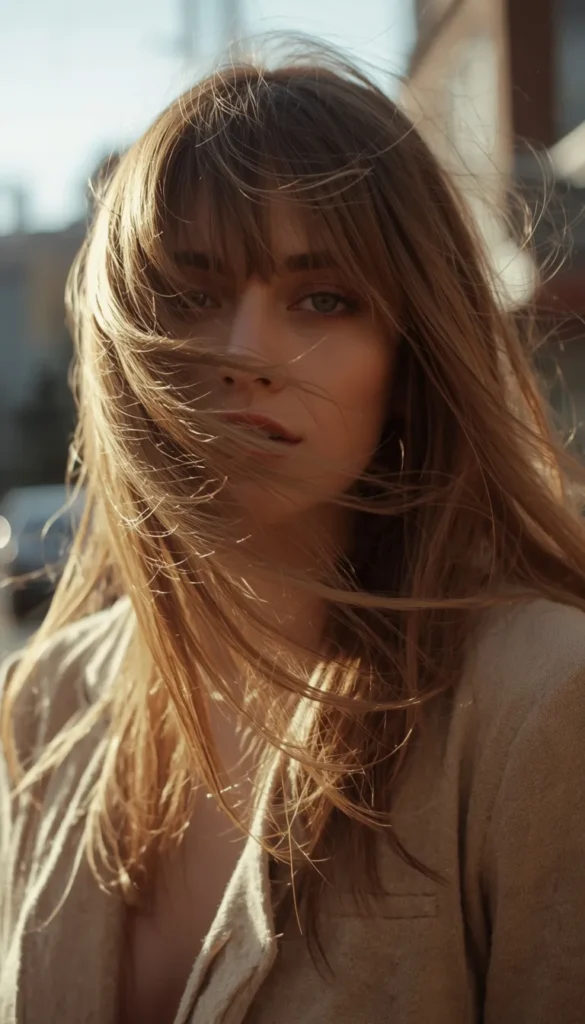
I will be honest, this is the cut I recommend to clients who are terrified of losing length but still want their fine hair to look alive. The shag works its magic through choppy, uneven layers that start higher up, usually around the cheekbone, which removes weight without removing inches. Your ends get to swing and move instead of just hanging there.
The catch is that shags are not exactly wash and go. They need some kind of texture spray or a rough dry with your fingers to look intentional rather than accidental. Skip that step and you risk looking more unkempt than effortlessly undone, which is a fine line with this particular cut.
4. The Curtain Bang Lob For Instant Face Framing Softness
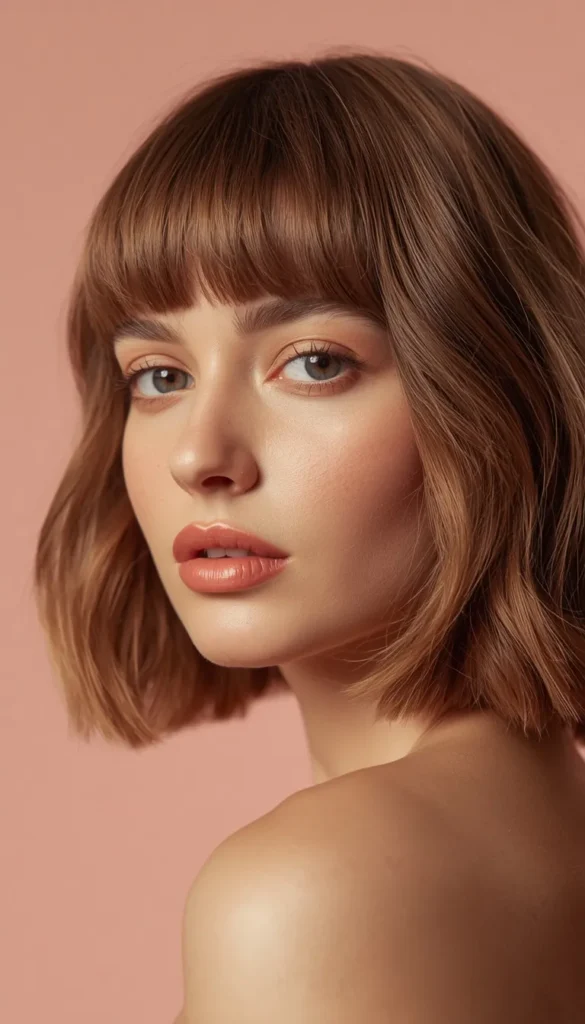
Pair a long bob with soft curtain bangs and you get one of the most flattering combinations for fine hair, full stop. The bangs create movement and softness right around your face, which distracts from any thinning at the crown or hairline, and the lob length keeps things versatile enough for work, weekends, and everything in between.
A quick trick I have learned after years of cutting curtain bangs on fine haired clients is to always ask for them slightly longer than you think you want. Fine hair bangs that are cut too short have nowhere to hide when they get oily by day two, and trust me, they will get oily by day two.
Which one of these nine cuts are you taking to your next salon appointment?
5. The Choppy Collarbone Cut For A Little Edge With A Lot Of Payoff
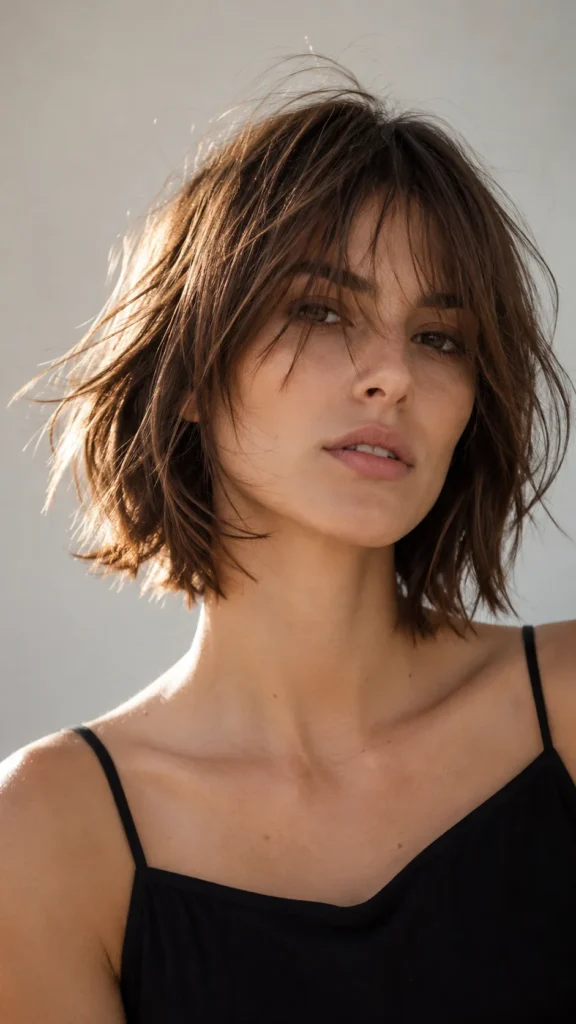
There is something about a collarbone length cut with choppy, textured ends that just works for fine hair. It hits that in between spot where you are not committing to short, but you are also shedding all the extra length that was weighing your roots down flat. The choppiness does the real work here, breaking up the ends so they catch light and movement instead of hanging in one heavy sheet.
This cut also happens to be one of the more forgiving options if your at home styling skills are, let us say, a work in progress. A rough blow dry with your fingers and a little sea salt spray gets you ninety percent of the way there.
6. Feathered Layers For Long Hair That Refuses To Go Flat
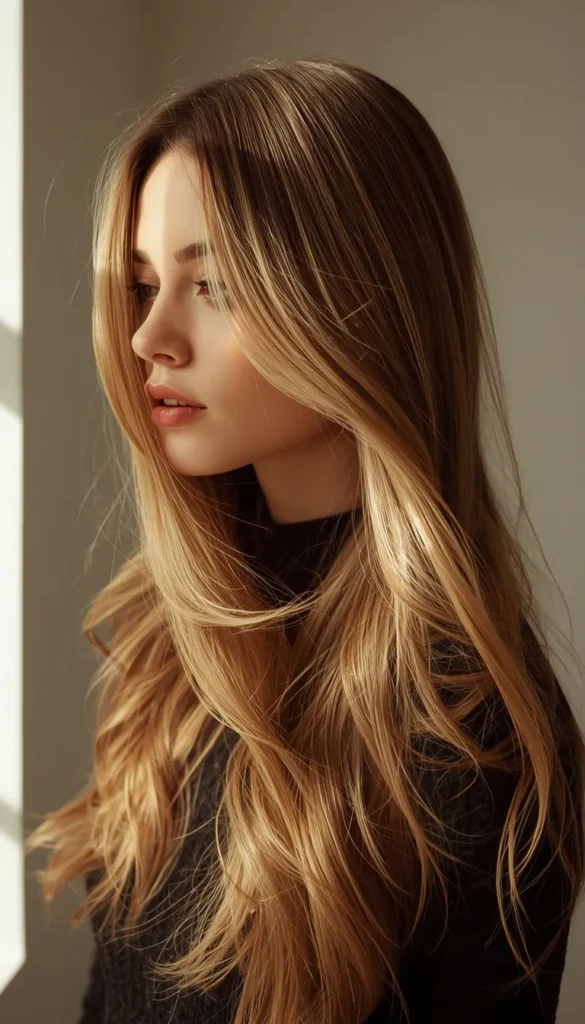
If you are not ready to let go of long hair, I understand, truly. But long and fine together is a tough combination without some serious layering strategy, and feathered layers are the answer. These are soft, angled cuts throughout the mid lengths and ends that remove bulk gradually rather than all at once, so you keep length while your hair still moves like it has somewhere to be.
One thing I always tell my clients considering this cut is that the payoff depends almost entirely on the blow dry. Feathered layers look incredible fresh from the salon, but skip the round brush at home and they can fall flat fast, especially on second or third day hair.
- Best suited for oval and heart shaped faces
- Needs a flat iron or round brush touch up at least twice a week
- Holds up decently in dry climates, less so in heavy humidity
Top 6 haircuts for thin fine hair
| Look / Cut | Estimated Price | Care Level | Where to Buy |
|---|---|---|---|
| Blunt Bob | 45 to 150 dollars | Medium | Amazon (styling cream) |
| Textured Pixie | 40 to 120 dollars | Low | Amazon (texturizing paste) |
| Long Layered Shag | 60 to 180 dollars | Medium | Amazon (sea salt spray) |
| Curtain Bang Lob | 55 to 160 dollars | Medium | Amazon (round brush) |
| Choppy Collarbone Cut | 45 to 130 dollars | Low | Amazon (volumizing mousse) |
| Feathered Layers | 60 to 170 dollars | High | Amazon (blow dry brush) |
7. The A Line Graduated Bob For Back Of Head Volume You Did Not Know You Needed
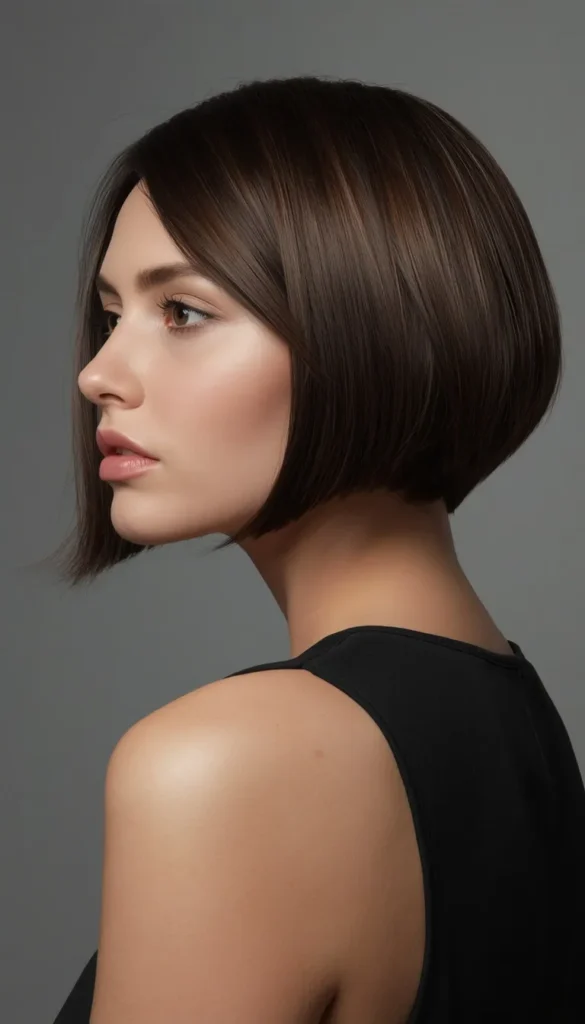
Most people focus on volume around the face and completely forget about the back of the head, which is honestly where fine hair often looks the flattest. An A line bob, shorter in front and gradually longer toward the back, or a graduated bob with subtle stacking, fixes exactly that. It builds visible fullness right at the nape without adding a single extra layer up top.
I love recommending this one to clients who spend a lot of time in ponytails or half up styles for work, since it holds its shape well even when pulled back.
8. The Wolf Shag Hybrid For Fine Hair That Wants To Feel Cool, Not Just Neat
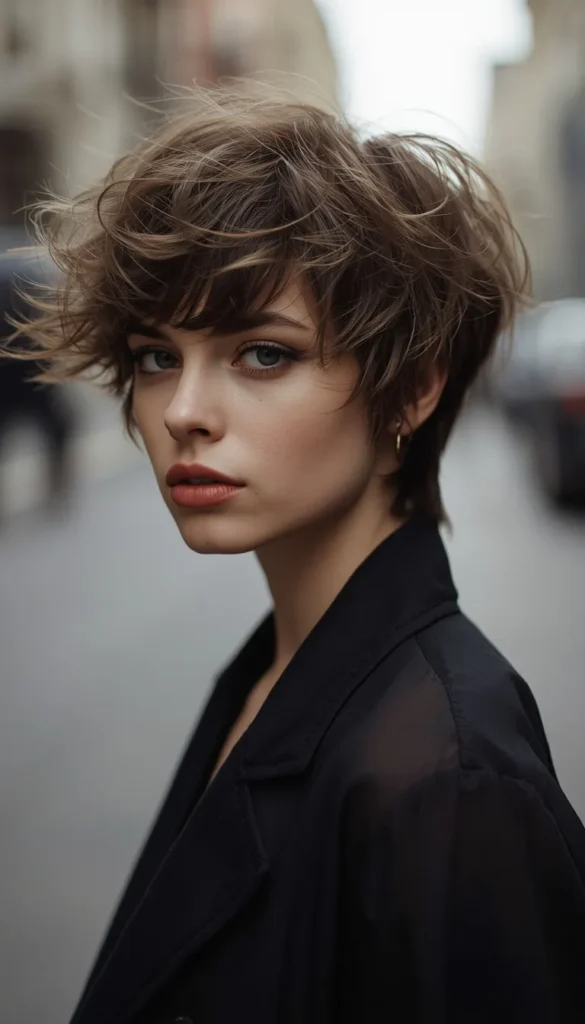
This cut is a little bit rebellious, and I say that with love. It blends the choppy, face framing energy of a shag with the rounded, slightly retro shape of a wolf cut, and on fine hair it reads as effortlessly textured rather than thin. The shorter layers around the crown lift the roots, while the longer pieces underneath keep things soft.
A quick trick I have picked up from doing this cut on West Coast clients specifically is to ask for a diffuser heavy air dry rather than a sleek blow out. This cut wants texture, not polish, and fighting that with too much smoothing product usually backfires.
Which one of these nine cuts are you taking to your next salon appointment?
9. Face Framing Layers That Keep Nearly All Your Length
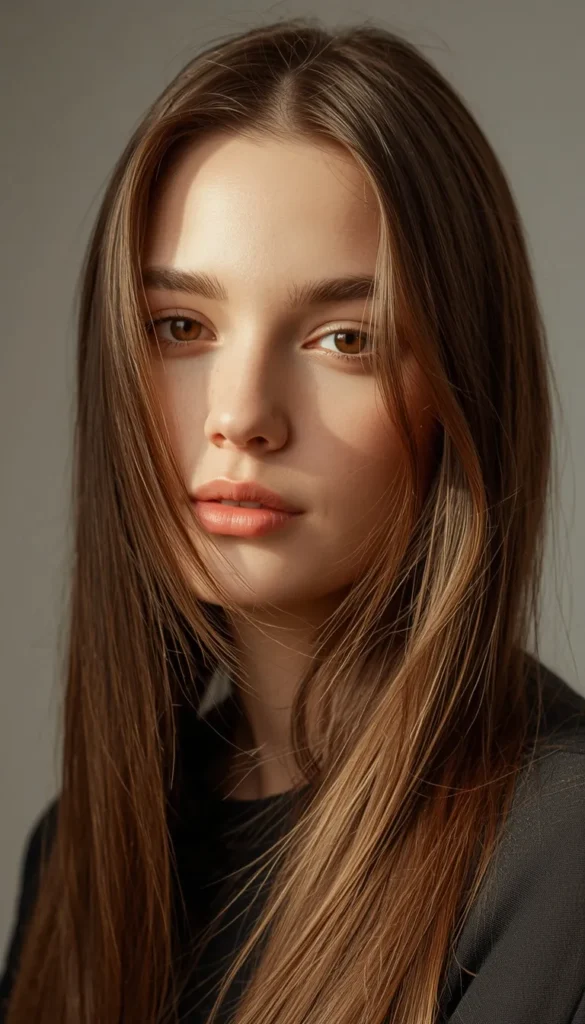
This is the gentlest option on the list, and I recommend it to clients who want the benefits of a haircut for fine hair without actually losing much length at all. We are talking soft, subtle layers cut only around the face, starting somewhere between the chin and the collarbone depending on your features. The rest of your length stays intact.
Because so little hair actually comes off, this is also one of the more budget friendly choices on this list, and it stretches nicely between trims since there is no sharp line to maintain.
- Works beautifully for square or long face shapes needing softness up front
- Minimal styling required, air drying works fine most days
- Not the most dramatic volume boost, so pair it with a volumizing mousse at the roots if your hair is on the thinner side
Your 60 Second Haircut Decision Guide
Budget Friendly Picks
- Face framing layers, since barely any hair comes off
- A line graduated bob, low drama, low cost upkeep
- Choppy collarbone cut, forgiving between trims
Worth The Splurge
- Blunt bob, needs a precise cut every six weeks
- Textured pixie, precision shaping is everything here
- Curtain bang lob, bangs need expert blending to look right
For Busy Professionals
- Blunt bob or A line bob, both hold shape pulled back
- Skip anything requiring daily round brush work
For Hot Humid Climates
- Choppy collarbone cut or wolf shag hybrid
- Avoid pin straight blunt bobs, they soften fast in humidity
For New Moms And No Time Mornings
- Face framing layers or textured pixie
- Both work with air drying and minimal product
For Weekend Casual Energy
- Long layered shag or wolf shag hybrid
- Both look better a little undone anyway
Amazon Cart Essentials
- A lightweight volumizing mousse for root lift
- A small barrel curling wand for pixies and bobs
- A silk pillowcase to cut down on overnight flattening
- A texturizing paste for shags and wolf cuts
Frequently Asked Questions
Should thin fine hair be cut short or kept long?
Shorter is almost always the better call. Anything past the shoulders tends to pull fine strands down flat, while shoulder length and above gives you built in body and shape.
Is layering good or bad for thin fine hair?
It depends entirely on the type of layers. Soft, subtle layers add movement and volume, but choppy short layers or too many layers stacked on top of each other can actually strip away what little thickness you have.
What is the best haircut for fine hair over 40?
I usually recommend a blunt bob or a soft shag for this age group specifically. Both add density without aging the face, and they hold up well through color changes like highlights or gray blending.
How often should I get my hair trimmed if it is thin and fine?
Every six to eight weeks, no exceptions. Fine hair shows split ends and shape loss faster than thicker hair, so skipping trims tends to backfire quickly.
Does a fringe or bangs help thin fine hair look thicker?
Yes, especially a side swept or curtain style fringe. It adds visual weight around the face and takes attention away from thinning at the hairline or part.
Conclusion
Here’s the thing about fine hair, it has never actually been the problem. The cut was. So screen shot one of these nine, walk into your next appointment, and ask for exactly what you saw here, don’t let a stylist talk you into “just a trim” if what you actually need is a real shape change. Your hair has more life in it than you think, it just needed the right haircut to prove it.
