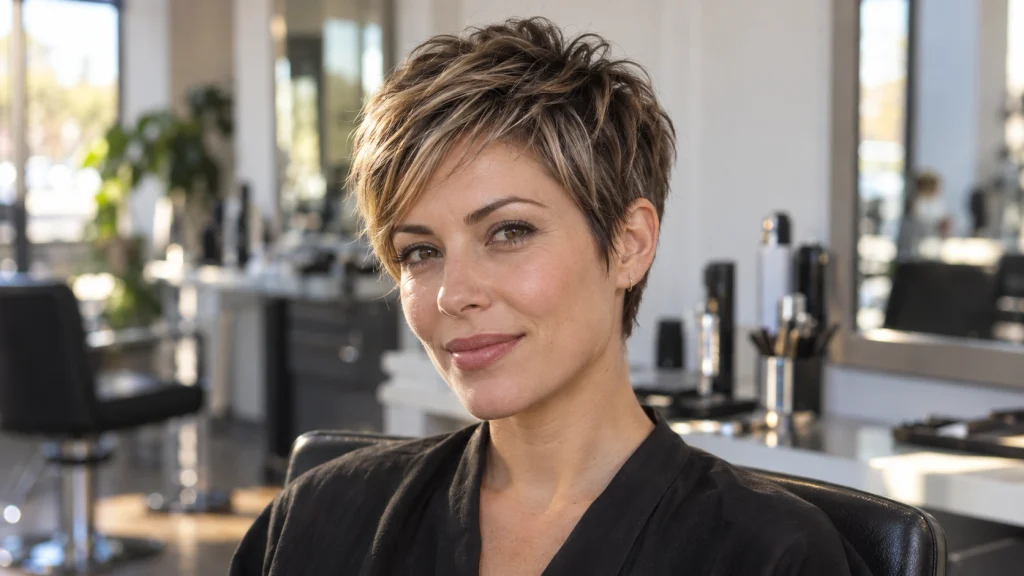
Short cropped hairstyles keep stealing hearts because the tightest budget item in most women’s morning routine is time, not money. I’ve had clients cry actual happy tears in my chair after realizing how much simpler their mornings could be with the right cut. For some, looking put together takes little more than a quick towel dry and a touch of styling. I’m walking you through the real cuts, the honest upkeep, and which crop actually fits your face, your texture, and your life.
My Styling Notes
I still think about the client who walked in with a phone screenshot of Zoë Kravitz and thick, coily hair that had never met a pair of thinning shears. I cut it to the exact length in the photo without adjusting for her density first, and by the next morning her crop had grown straight up instead of laying soft like the reference. She called me nearly in tears, and my gut reaction was to just cut more off. Instead I asked her to come back in, and I pointed the layers at the crown and let her natural texture do the work rather than fighting it. That one appointment changed how I consult with every single client now. I ask to see a photo of their hair completely dry before I ever touch the shears. It taught me that the best crop isn’t copied from a celebrity. It’s built around the hair you actually have.
21 Effortless Cropped Hairstyles That Feel Chic and Completely You
1. The Real Talk on Going Short
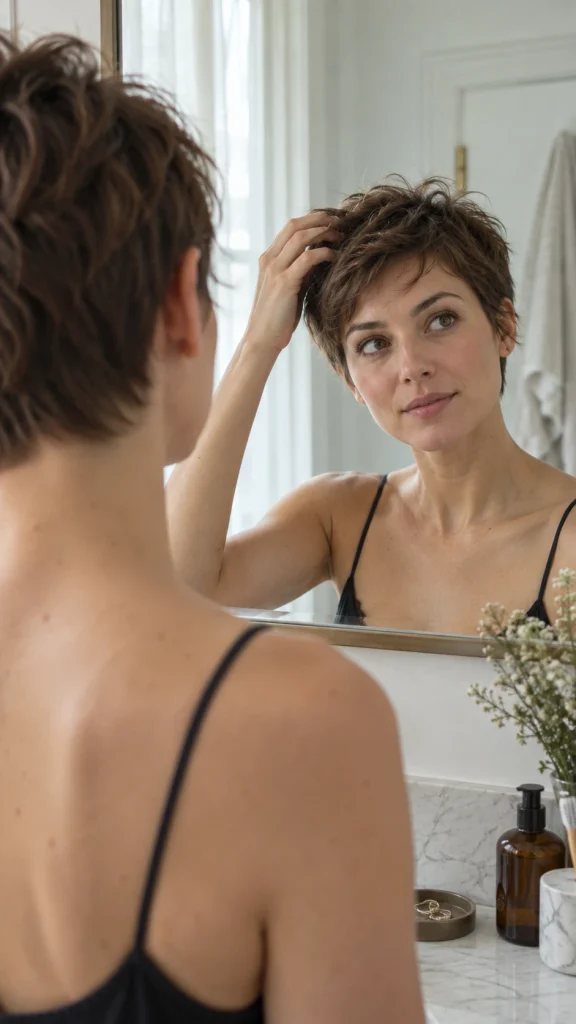
Let’s get the honest stuff out of the way before you fall in love with a Pinterest photo. A crop is genuinely low maintenance in the sense that you’ll spend less time with a blow dryer, but it is not low maintenance when it comes to the salon chair. You’re looking at a trim every four to six weeks if you want it to stay sharp, and skipping appointments means watching your shape slowly turn into something shaggy and unintentional.
A few things nobody tells you upfront:
- Your ears will be visible, so earrings suddenly matter a lot more
- Cowlicks and growth patterns you never noticed will start showing off
- The first two weeks after cutting feel dramatic, even when the cut is perfect
2. Textured Pixie and Choppy Pixie
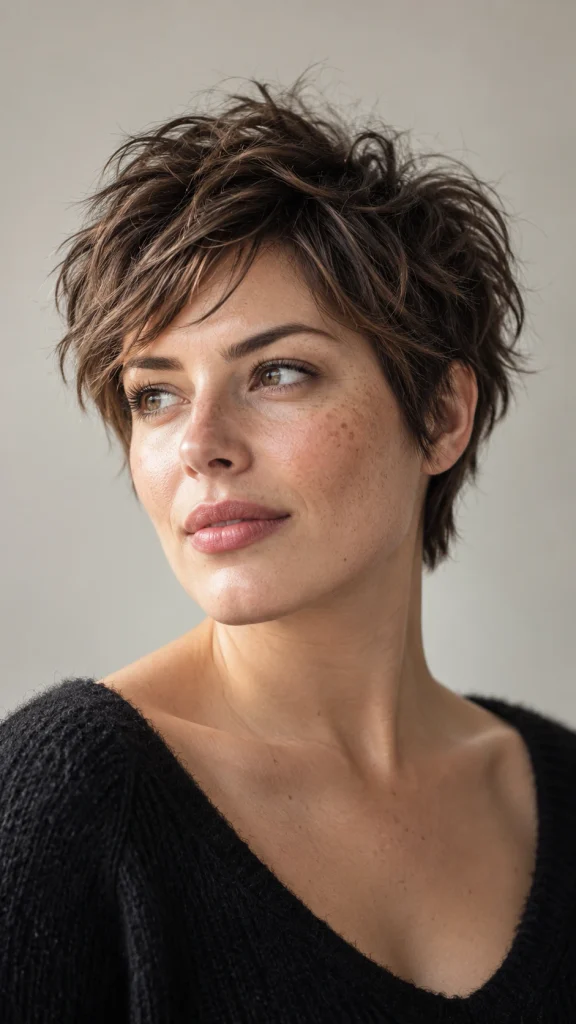
These two are basically cousins, and I put them together because they solve the same problem in slightly different ways. The textured pixie uses layering to add movement and softness, while the choppy version leans into rougher, more piecey ends for an edgier finish. Both work beautifully if you’ve got some natural wave or are willing to use a texturizing spray on the daily.
One thing I always tell my clients going this route is to ask their stylist for point cutting at the ends rather than blunt cutting. It changes the entire personality of the haircut without changing the length at all.
3. The Cropped Bixie
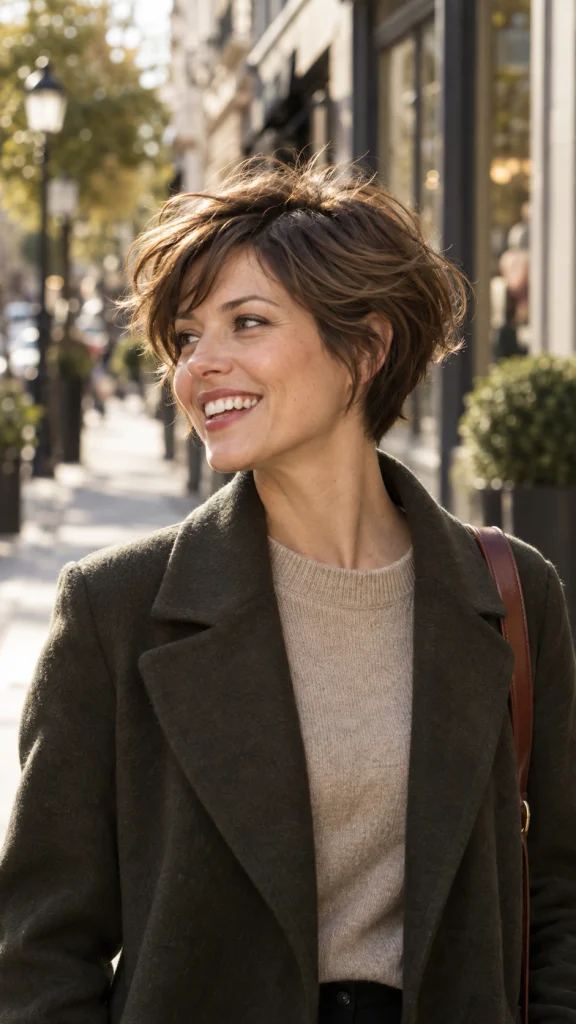
If you’ve been scrolling and seeing the word “bixie” everywhere, here’s the deal. It’s the lovechild of a bob and a pixie, longer through the crown and sides than a true pixie but shorter and choppier than a classic bob. It gives you a little more length to play with on rough hair days, which honestly makes it a fantastic entry point if you’re nervous about going super short for the first time.
What’s the one thing about your current hair routine you’re most ready to change?
4. Cropped Bob and Layered Cropped Bob

This is your bridge option if a pixie still feels like too big a leap. A cropped bob sits right around the jaw or just above it, and adding layers through the ends keeps it from looking too heavy or helmet like. I find this cut particularly flattering on women transitioning out of longer hair, since it still frames the face in a soft way while cutting off a serious amount of length and damage.
A quick trick I’ve learned is that a slight angle toward the front, even just half an inch longer near the chin, makes the whole look feel more intentional and less like a straight chop.
5. The Short Cropped Shag
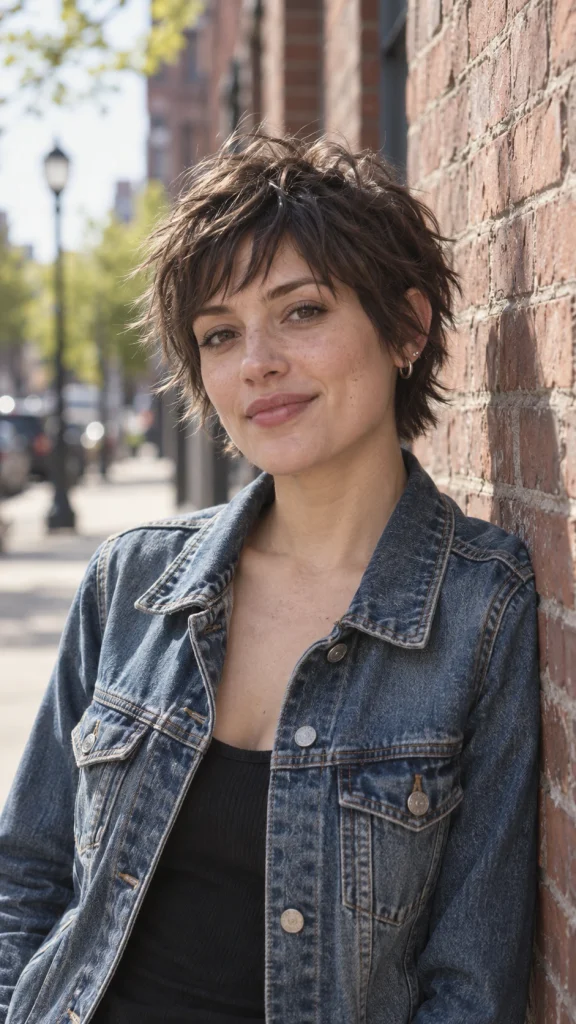
This one’s for the girl who wants texture over polish. A cropped shag leans into choppy, disconnected layers all over, giving you that just rolled out of bed and somehow it works vibe. It’s forgiving too, since the layers hide a multitude of sins on days you skip styling entirely.
I’ve noticed this cut ages incredibly well because as it grows out, it just gets shaggier rather than looking like it needs an emergency trim.
6. Tapered and Undercut Crops
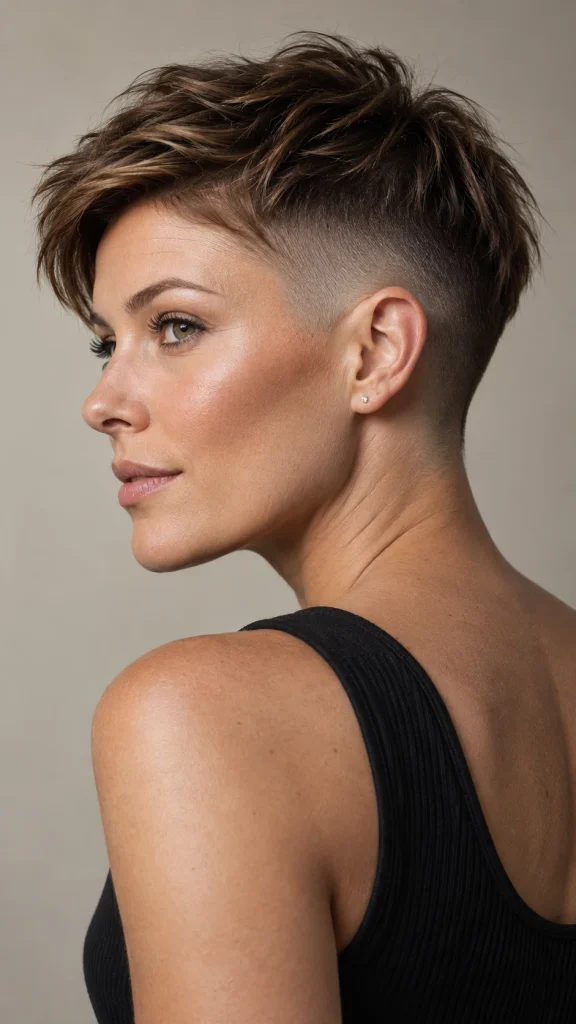
Tapering means the hair gets progressively shorter as it moves down toward the neckline, giving you a clean, sculpted finish at the back. An undercut takes it a step further by shaving the sides or back much shorter than the top, creating serious contrast.
A few honest notes before you commit:
- Undercuts need touching up every two to three weeks to stay crisp
- Tapering is more forgiving and can stretch closer to the five week mark
- Both look incredible on thick hair since they remove bulk fast
7. Asymmetrical Cropped Cuts
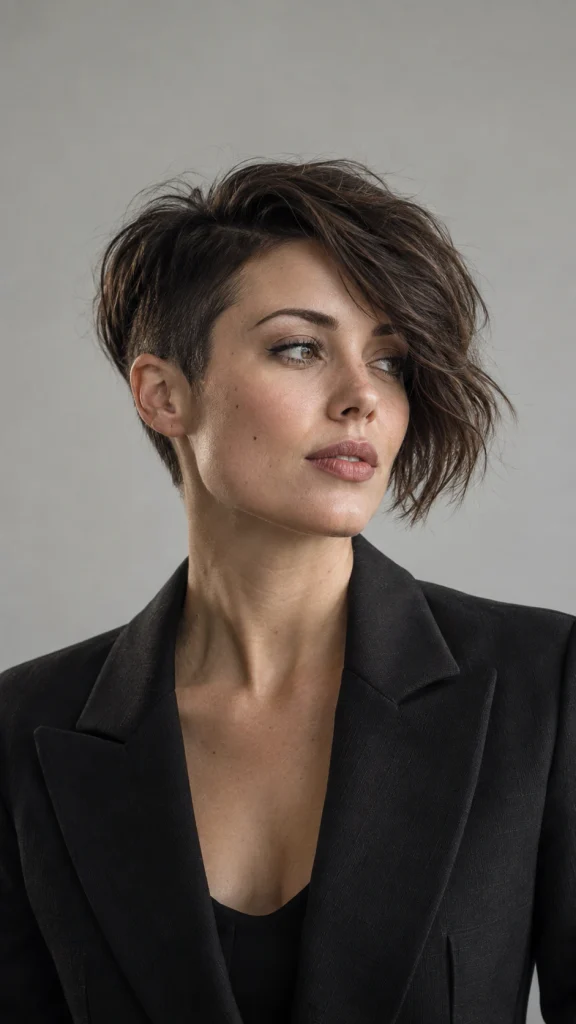
An asymmetrical crop is exactly what it sounds like, one side is noticeably longer or shorter than the other. It’s a bold, editorial choice that photographs beautifully, but I’ll be straight with you, it takes more daily effort than a symmetric crop because the imbalance needs intentional styling to look chic rather than accidental.
8. The Bangs Breakdown
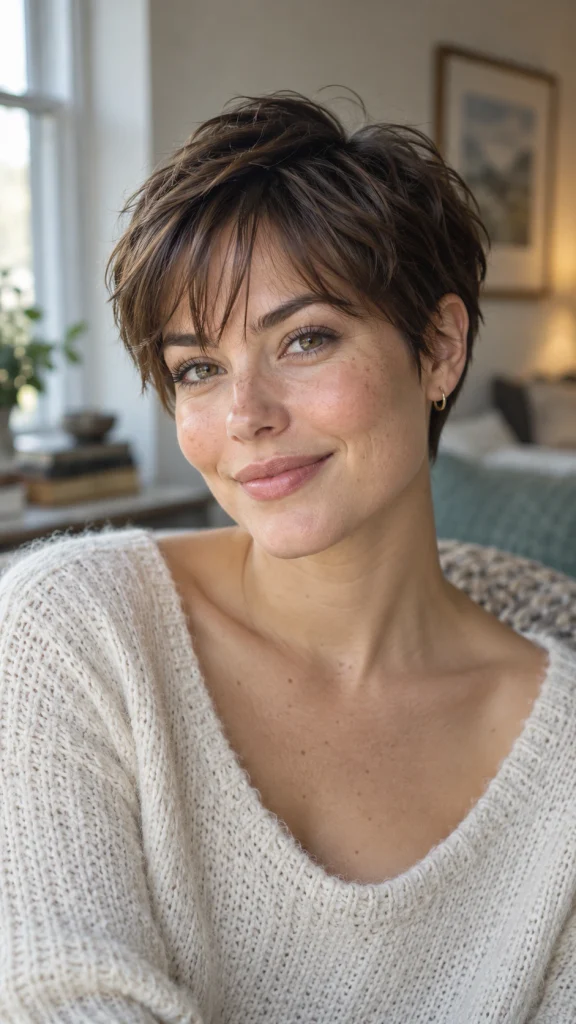
Bangs completely change the personality of a crop, so let’s sort through the options quickly. Wispy bangs are soft and low commitment, side swept bangs are the most office friendly, and micro bangs are the boldest statement of the bunch.
My rule of thumb with clients is simple. If you’ve never had bangs before, start wispy. You can always go shorter and bolder later, but you can’t un-cut micro bangs when you change your mind three days in.
9. Finding Your Best Crop by Face Shape
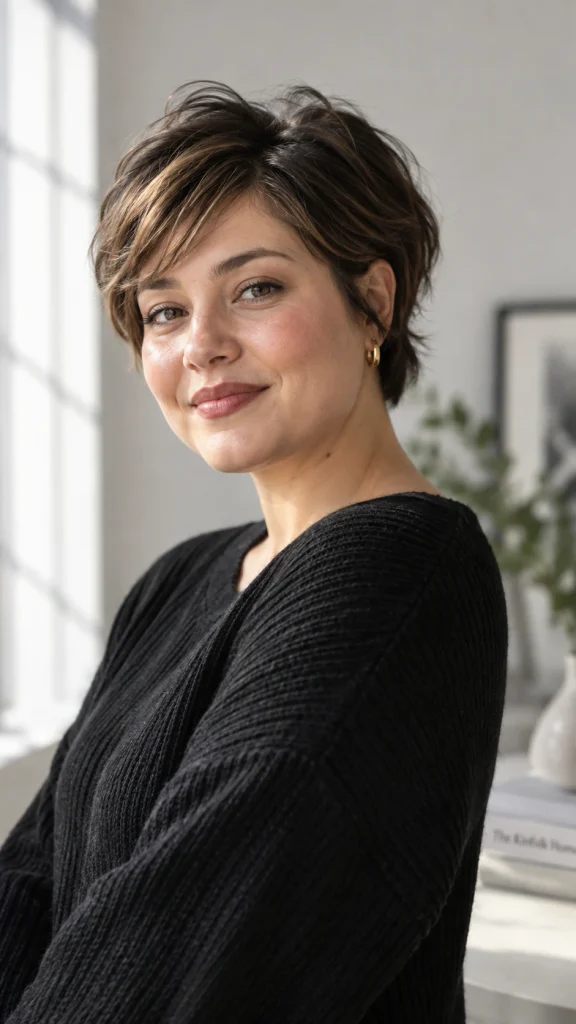
This is genuinely the section that matters most, and it’s the one most articles skip entirely. Round faces tend to love height at the crown and length that grazes the jaw, since it creates the illusion of more length overall. Oval faces are the lucky ones here, almost any crop works because the proportions are already balanced. Square faces do beautifully with soft, rounded layers that break up strong jaw angles, while heart shaped faces benefit from fuller sides that balance a narrower chin. Long faces should avoid too much height on top and instead ask for width and volume through the sides.
10. Matching the Crop to Your Hair Texture
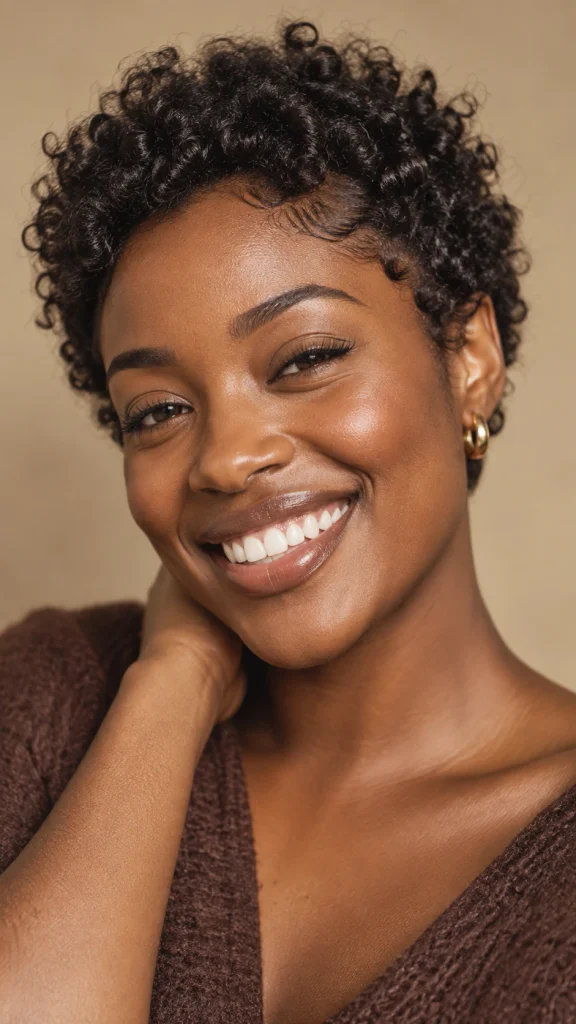
The exact same haircut on straight hair versus curly hair is basically two different haircuts once you factor in how each one falls. Straight hair shows every line of a crop clearly, so precision cutting matters enormously. Wavy hair adds effortless texture almost for free, and curly or coily hair needs to be cut dry, or at minimum diagnosed dry, because curls shrink and behave completely differently than when they’re wet on the salon floor.
11. Crops for Fine or Thin Hair Versus Thick Hair
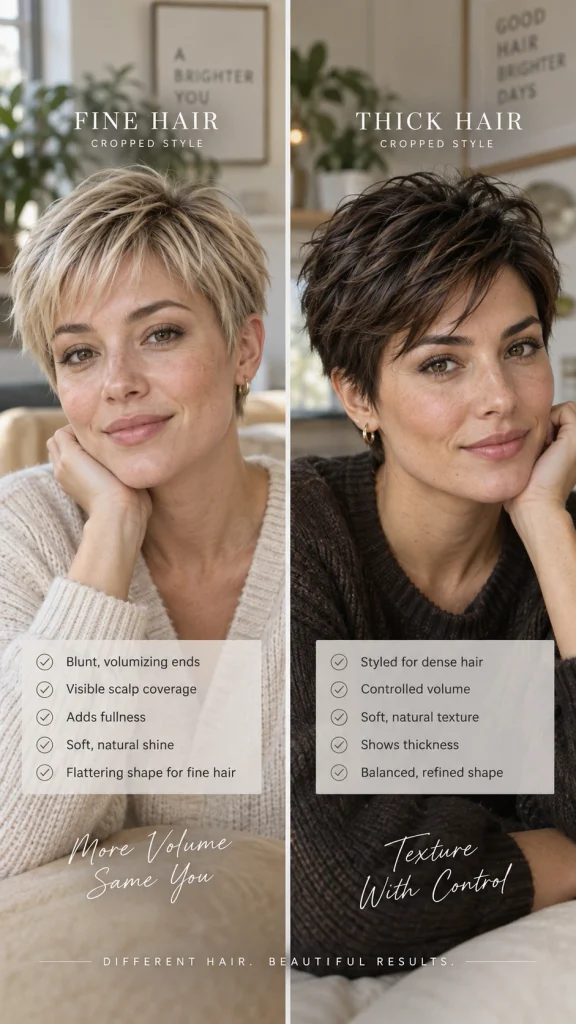
If your hair is fine or thin, you want your stylist adding weight rather than removing it, since too much thinning will leave you looking sparse. Thick haired clients need the opposite approach entirely.
- Fine hair benefits from blunt ends that create the illusion of density
- Thick hair needs internal layering to remove bulk and weight
- Both textures benefit from a lightweight volumizing mousse at the root
12. Crops for Women Over 40, 50, and 60
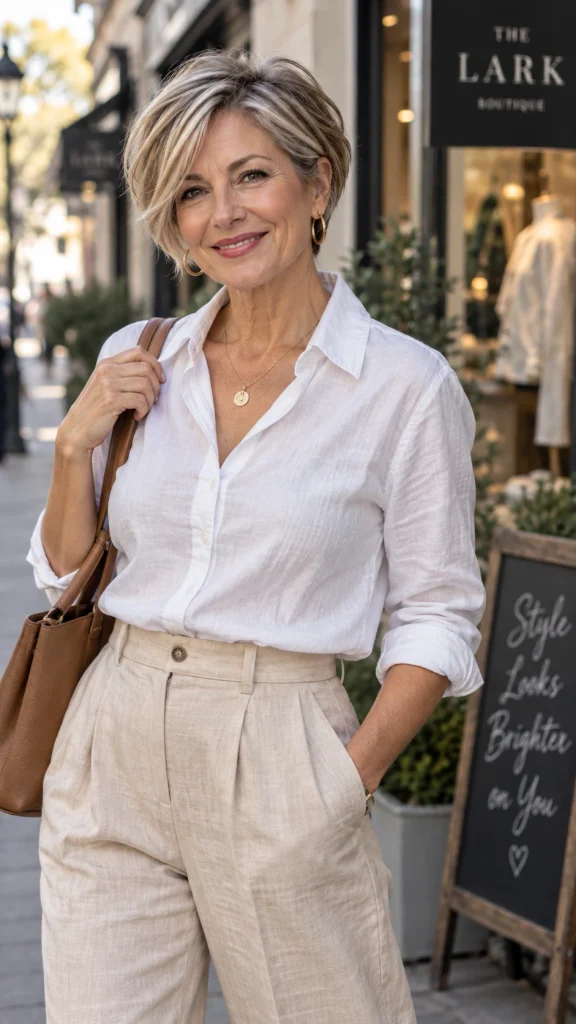
Let’s talk about something the beauty industry gets wrong constantly. A crop doesn’t need to look “safe” or “age appropriate” once you hit 40, 50, or 60. What actually changes with age is hair density and texture, not your right to a bold haircut. I always tell clients in this stage of life to ask for softer angles around the face rather than harsh geometric lines, since skin and bone structure shift slightly over time and softness tends to be more flattering than severity. For more inspiration tailored to this demographic, exploring professional ideas on short haircuts for women over 60 that feel modern can open up fantastic styling options.
13. Gray and Silver Crops
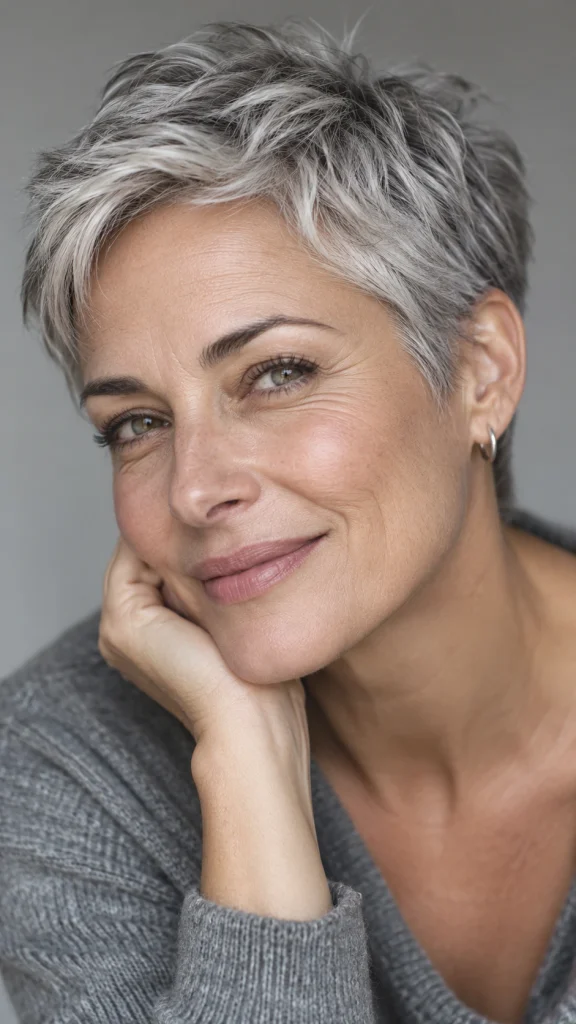
Silver hair paired with a crop is having a real moment, and honestly, it should have been having this moment for years. Gray hair tends to be coarser and drier than pigmented hair, so a crop actually works in your favor here because shorter length means less time for dryness and frizz to build up along the strand. If you’re mid transition from color to gray, a crop is also one of the fastest ways to grow out the line of demarcation without a painfully long awkward phase.
14. Blonde, Brunette, and Highlighted Color Ideas
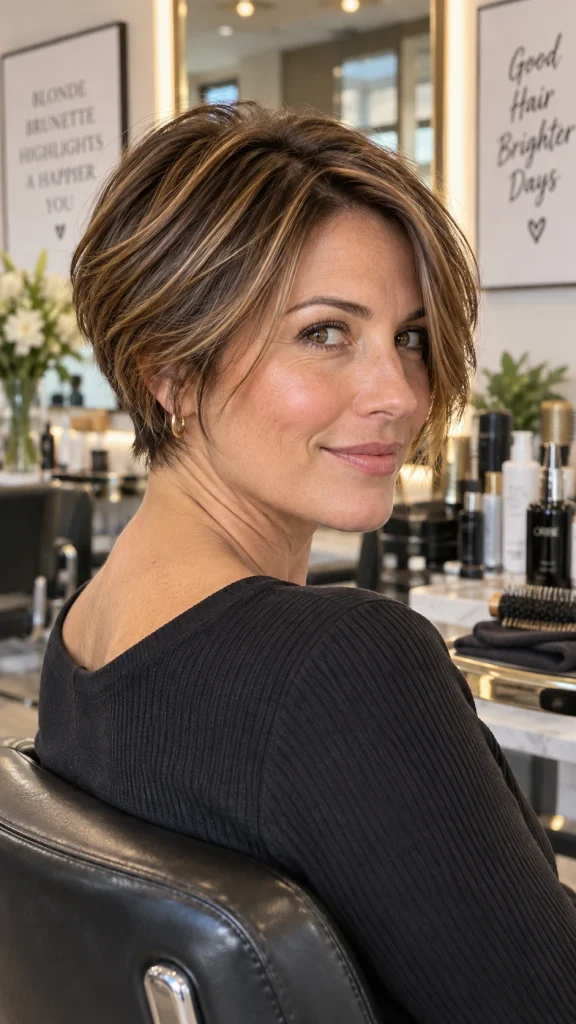
Color choice on a crop isn’t just about the shade, it’s about how much upkeep you’re signing up for. Blonde crops look incredible but need root touch ups roughly every four weeks to avoid that grown out banding look on short hair, where regrowth is much more obvious than on longer styles. Brunette crops are the low maintenance champion here, since roots blend more naturally. Highlights are a nice middle ground, giving dimension without demanding constant salon visits.
Out of all these options, which one actually fits your budget and your lifestyle right now?
15. Crops With Glasses

Nobody talks about this enough, so let’s fix that. Frames and short hair need to work together rather than compete for attention on your face. If your glasses are bold or oversized, a softer, less angular crop balances things out beautifully. If your frames are thin and minimal, you actually have more freedom to go edgy with the haircut itself since the glasses won’t add extra visual weight.
16. Styling in Five Minutes or Less
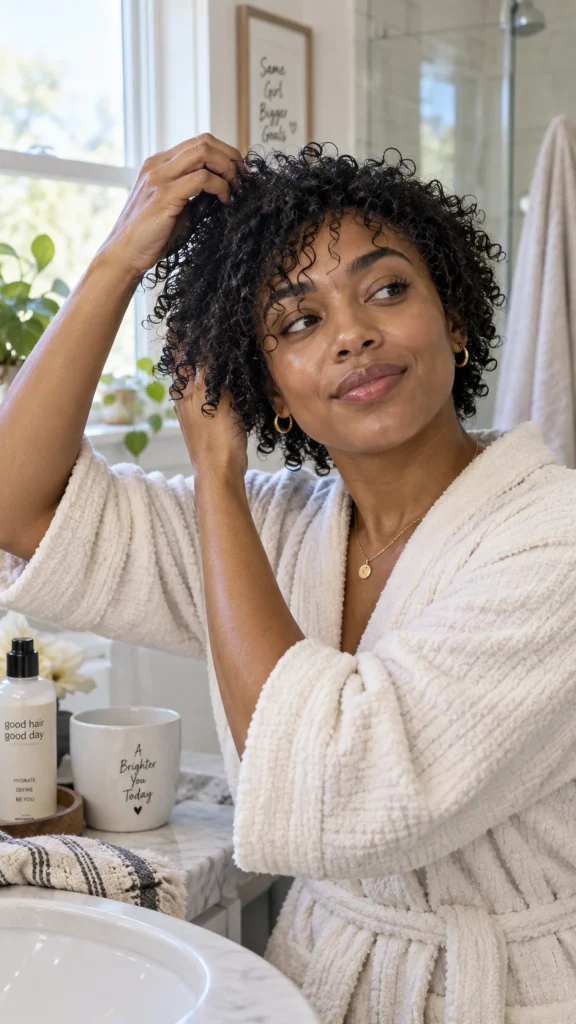
This is the entire reason crops exist for busy people, so let’s make sure you’re actually using that time savings correctly.
- Towel dry, then apply a dime sized amount of texturizing cream
- Use your fingers, not a brush, to scrunch and shape while damp
- A quick blast of dry shampoo at the roots buys you an extra day
Most women overcomplicate this step by reaching for a full blowout every morning when a crop genuinely doesn’t need one.
17. Adding Volume Without Overstyling
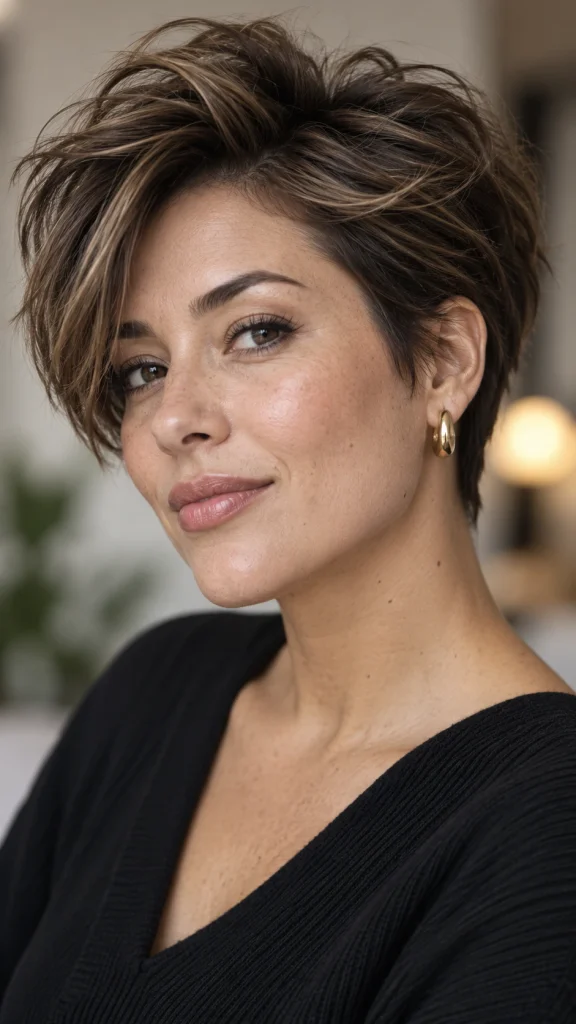
Volume on short hair is a balancing act, because too much product weighs everything down and defeats the entire purpose of a crop. I always tell clients to focus product placement right at the root, not throughout the whole length. A lightweight root lifting spray applied while hair is still damp, then blow dried with your head tipped upside down for thirty seconds, does more work than three different styling products layered on top of each other.
18. Climate Proofing Your Crop
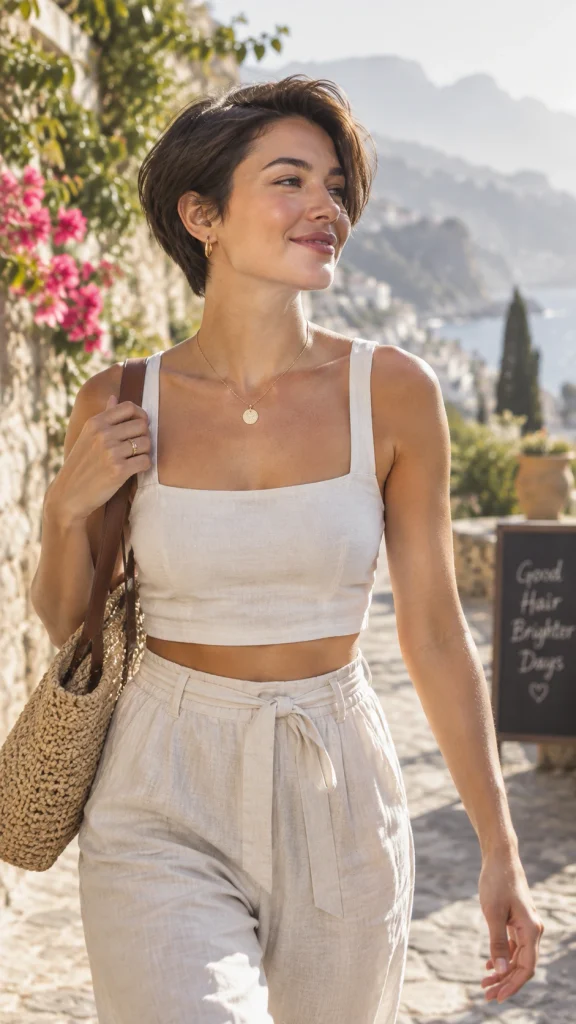
Where you live genuinely changes how your crop behaves day to day, and this gets ignored constantly in generic hair advice. Humid climates in the South mean frizz control matters more than volume, so an anti humidity serum becomes non negotiable. Dry Western climates pull moisture straight out of shorter hair, making hydrating leave in treatments essential. Cold Northeast winters bring static, which a small amount of hand cream rubbed between your palms and smoothed over the surface fixes almost instantly.
19. The Real Budget Breakdown
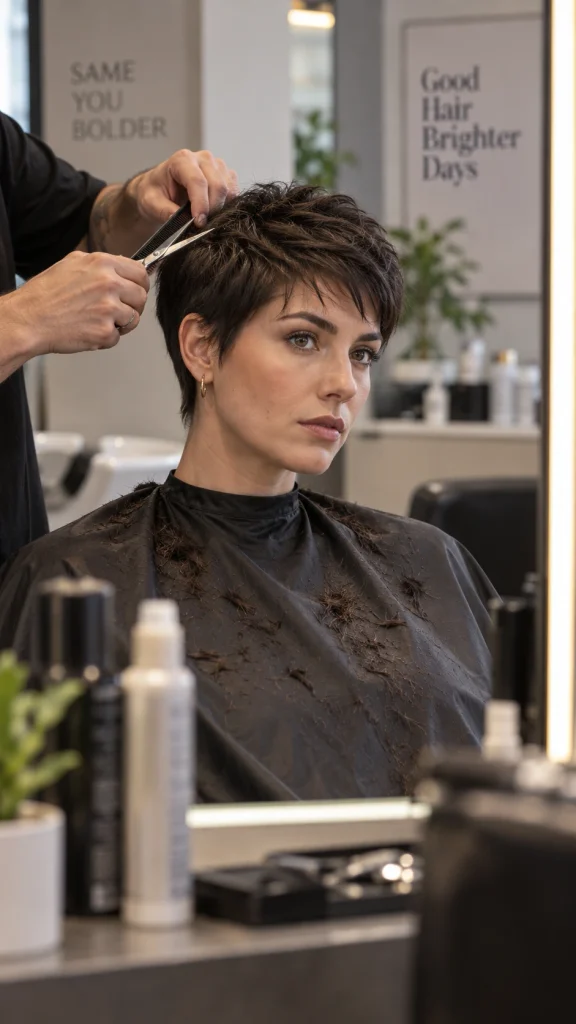
Let’s talk numbers honestly, because nobody does. A crop trim at a mid range American salon typically runs between thirty five and sixty five dollars, though major cities push that higher. If you’re stretching between appointments, investing in a good pair of clipper guards for at home neckline cleanup can genuinely add two extra weeks between professional visits.
- Budget tier: DIY neckline trims with clippers between cuts
- Mid tier: A trim every five to six weeks at a local salon
- Splurge tier: A dedicated stylist relationship with precision cuts every four weeks
20. Surviving the Grow Out Phase
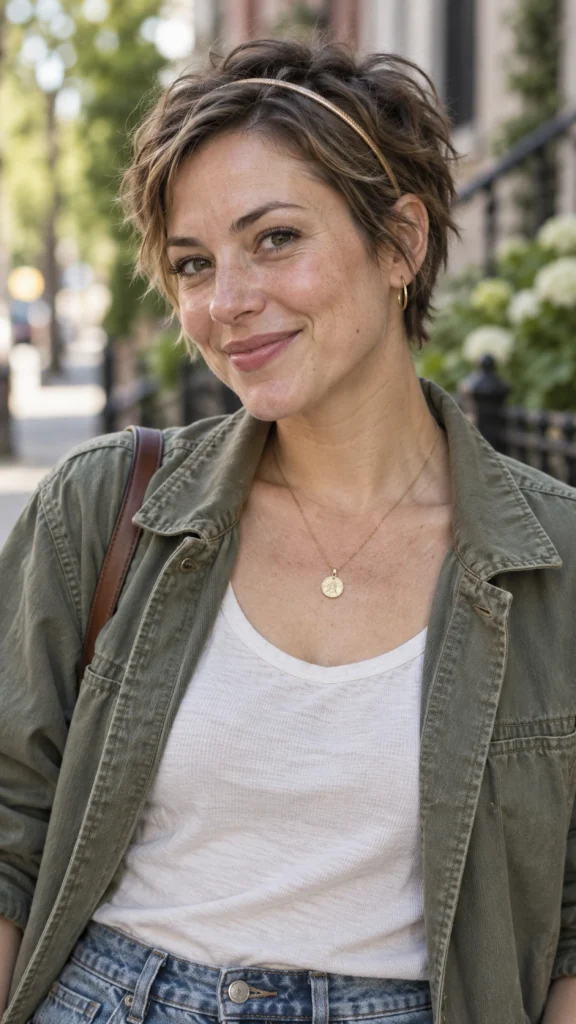
This is the section that saves haircuts. The first month after a crop is easy, the second month is where things get awkward, and most women panic and cut it all off again right when it’s about to turn into something beautiful. Around week six, ask your stylist for a shape up rather than a full cut, which maintains the silhouette while allowing length to build. Clip in pieces, headbands, and a good texturizing spray become your best friends during weeks six through ten. If you want a deeper dive into managing this transition phase gracefully, check out this guide on how to grow out a pixie cut.
Tell me honestly, which crop on this list is your favorite and why?
21. How to Know If a Crop Is Right for You
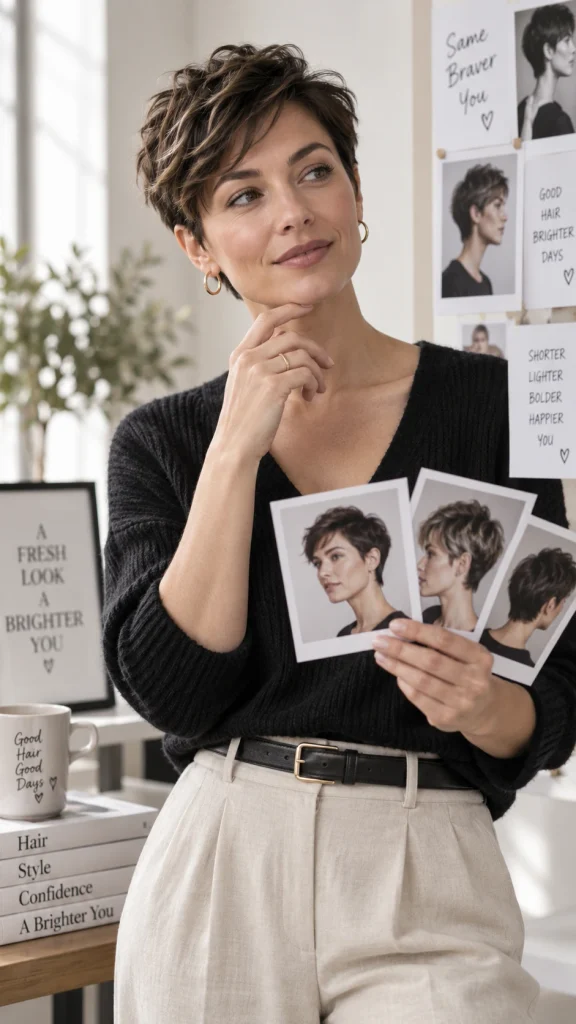
At the end of the day, a crop works best on someone who genuinely wants low effort mornings more than she wants to hide behind her hair. If you find yourself reaching for a ponytail every single day because styling feels like a chore, that’s usually a sign you’re ready. My honest advice after years of doing this is to bring in three or four reference photos instead of just one, since it helps your stylist understand the common thread in what you’re drawn to rather than trying to copy a single celebrity’s exact texture and density. Go in with an open conversation instead of a rigid demand, and you’ll walk out with a crop that actually belongs to you.
Top 6 Short Cropped Hairstyles
| Look / Item | Estimated Price | Care Level | Where to Buy |
|---|---|---|---|
| Textured Pixie | 35 to 65 dollars per cut | Low | TRESemmé Texturizing Spray on Amazon |
| Cropped Bixie | 45 to 75 dollars per cut | Medium | Bumble and bumble Surf Spray on Amazon |
| Cropped Bob | 40 to 70 dollars per cut | Low | OGX Weightless Hydrating Argan Oil on Amazon |
| Undercut Crop | 50 to 90 dollars per cut | High | Wahl Clipper Trimmer Kit on Amazon |
| Cropped Shag | 40 to 70 dollars per cut | Low | Not Your Mother’s Texturizing Sea Salt Spray on Amazon |
| Gray or Silver Crop | 45 to 80 dollars per cut | Medium | Kevin Murphy Blonde Angel Wash on Amazon |
Your 60 Second Crop Cheat Sheet
By Budget
Budget Friendly Picks
- Classic textured pixie, stretch to six weeks between trims
- Cropped shag, grows out without losing shape
- DIY clipper touch ups on the neckline using Wahl Clipper Kit on Amazon
Worth the Splurge
- Precision undercut, needs a skilled hand every few weeks
- Gray or silver transition crop with a colorist who understands toning
- Asymmetrical crop, small cutting errors show fast
By Lifestyle
Busy Professionals
- Cropped bob or layered bob for polished, no fuss mornings
- Dry shampoo on standby, try Batiste Dry Shampoo on Amazon
Hot Weather Styling
- Textured pixie with an anti humidity serum
- Skip heavy creams, go with Ouai Anti Frizz Serum on Amazon
New Moms
- Wash and wear shag, zero styling required most days
- A texturizing spray like Not Your Mother’s Sea Salt Spray on Amazon
Weekend Casual
- Choppy pixie or bixie, embrace the undone texture
- Finish with Bumble and bumble Surf Spray on Amazon
Frequently Asked Questions
What is the difference between a pixie cut and a cropped haircut?
A pixie is technically one type of cropped haircut, but not every crop is a pixie. Cropped is the broader category covering pixies, bixies, and even short shags, while pixie specifically means very short all over with minimal length on top.
Will a short cropped haircut work for thick or curly hair?
Yes, and honestly it often works better than people expect. Thick and curly textures need internal layering to remove bulk, and a good stylist will always cut curls dry so the shape reads correctly once it springs up.
How often do I need to get my hair trimmed with a cropped cut?
I usually recommend every four to six weeks depending on how fast your hair grows and how sharp you want the shape to stay. Undercuts and precise pixies need the shorter end of that window.
Can I still wear a cropped haircut with glasses?
Absolutely, and it can actually look incredibly chic when the frames and cut work together. Bold glasses pair best with softer, less angular crops, while thin frames give you more room to go edgy.
Is a cropped haircut a good option for growing out longer hair later?
It can be, though patience is the real requirement here. The six to ten week mark is the trickiest stretch, and using shape ups instead of full cuts during that window keeps things looking intentional instead of grown out.
Conclusion
Here’s the thing I want you to walk away with. A great crop isn’t about copying a celebrity or chasing a trend, it’s about giving yourself permission to feel light, put together, and completely like yourself with almost zero effort most mornings. Your hair should work for your actual life, not the other way around. So screenshot the cut that made you pause while reading this, bring it to a stylist you trust, and just start the conversation this week. What’s holding you back from finally making the cut, and which style from this list has you the most tempted?
